Lakewood is a piece of postwar history. It went up almost all at once in the early 1950s as one of the first master-planned suburbs, street after street of nearly identical ranch homes on concrete slabs. That uniformity is part of the city's charm, and it also means the houses tend to age the same way.
When homes share a builder, an era, and a materials list, they share failure patterns. The same copper supply lines develop pinhole leaks around the same time. The same original water heaters give out. The same roof style starts letting water in when Santa Ana winds lift shingles in the fall. We have dried enough of these homes to know where the water usually goes.
Slab construction is the recurring theme. A hot-water line under the slab can leak for weeks, showing up only as a warm floor, a higher bill, or damp carpet along one wall. We pinpoint it with electronic detection before touching the concrete, then dry the structure so the fix does not turn into a mold problem later.
We are IICRC-certified, licensed, insured, and locally owned. Every job follows the S500 standard, the inspection is free, and we bill your insurance company directly. From Buena Park we reach Lakewood quickly, which keeps small leaks from becoming big ones.
Common Causes of Water Damage in Lakewood
Every neighborhood has its own risk profile. In Lakewood, CA, these are the water damage calls we see most often:
- 1950s master-planned tract homes on concrete slab, prone to hidden slab leaks
- Same-era copper plumbing across whole blocks that develops pinhole leaks together
- Original water heaters and supply lines reaching the end of their service life
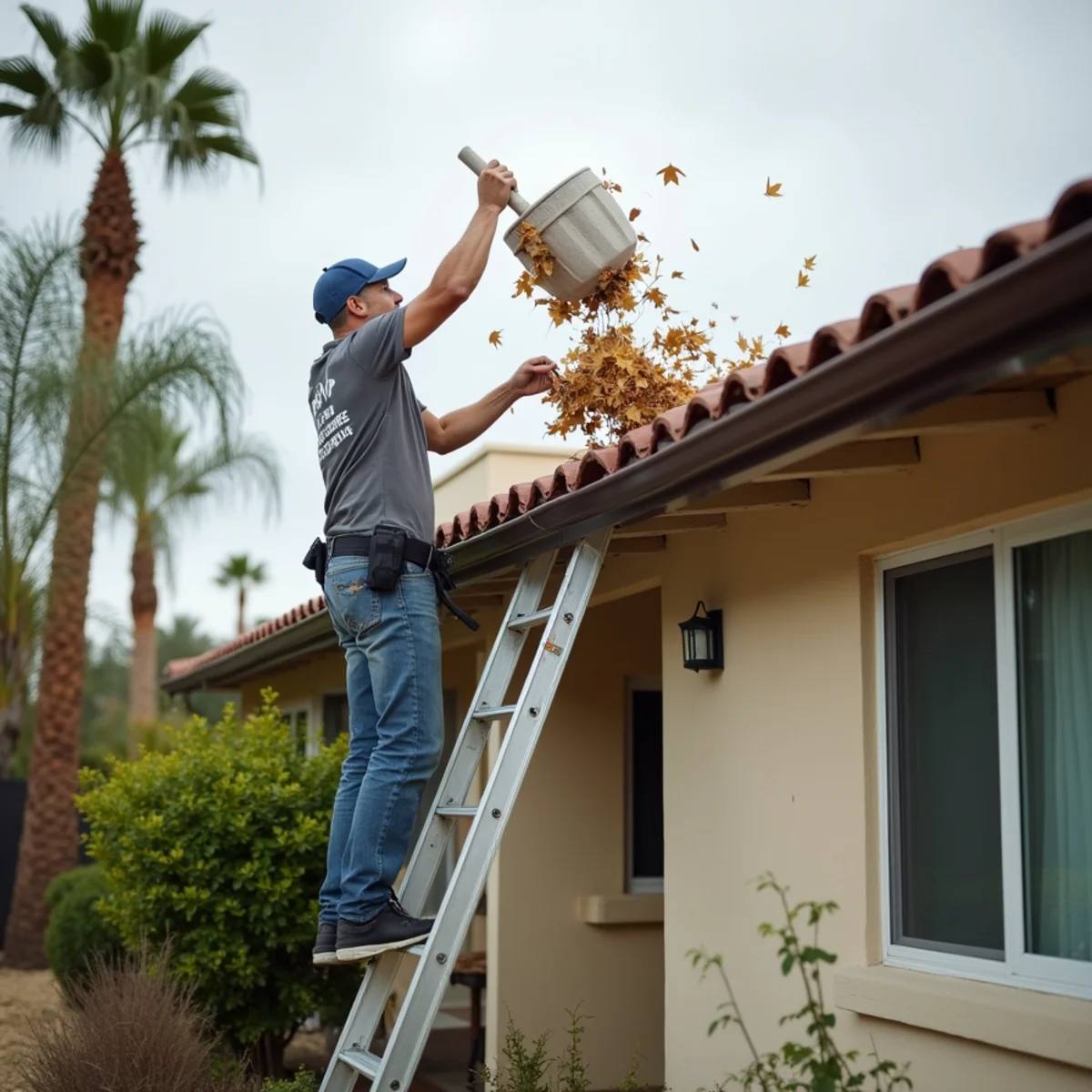
- Uniform roof age and style vulnerable to Santa Ana wind damage each fall
- Hard water that shortens water-heater life and stresses fittings
- Mature street trees whose roots crack older sewer laterals and cause backups
Fast, Local Response to Lakewood
We stage out of Buena Park at 6131 Orangethorpe Ave and treat Lakewood as part of our regular Los Angeles County coverage. Reaching the city from the county line rather than across the interior helps us hold our 60-minute response target, even during a rainy-season rush of calls.
We regularly work near Lakewood Center mall, Lakewood City Hall, Rynerson Park, and Del Valle Park — and everywhere in between. If you're in the area and water is spreading, we can be on our way quickly.

How We Restore Water-Damaged Homes in Lakewood
- 1
Emergency Contact & Rapid Assessment
A real person answers your call 24/7 — never a voicemail. We ask a few quick questions to gauge severity, then dispatch a crew immediately. While you wait, we'll walk you through shutting off the water and safely documenting the damage for your insurer.
- 2
Water Extraction
Our technicians arrive with truck-mounted and portable extraction units to pull out standing water fast — the single biggest factor in limiting damage. We move furniture and belongings to dry areas and stop the spread before it reaches new rooms.
- 3
Drying & Dehumidification
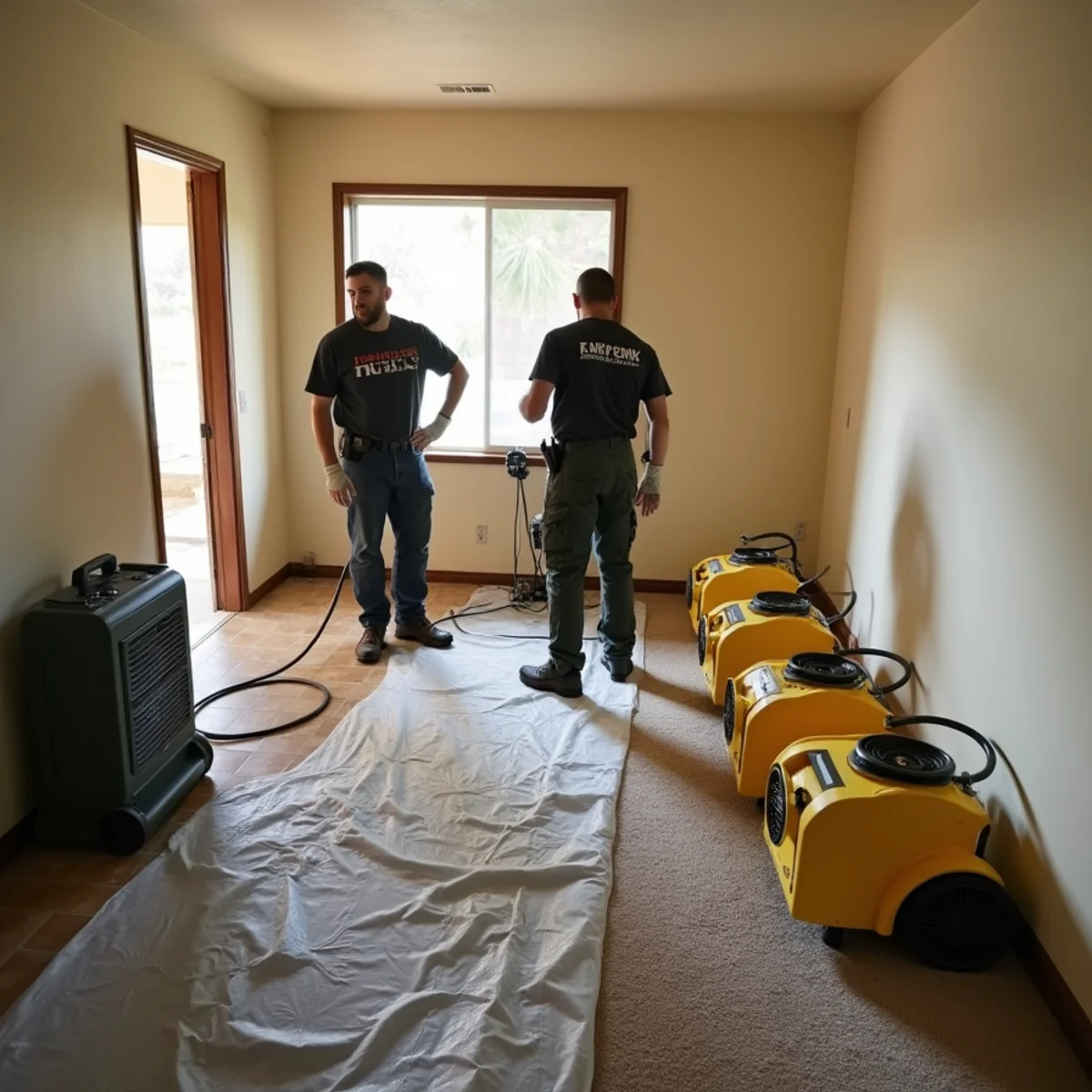
We position industrial air movers and dehumidifiers to dry structural materials from the inside out, then monitor moisture daily with professional meters and thermal imaging so hidden dampness behind walls and under floors doesn't turn into mold.
- 4
Cleaning & Sanitizing
Every affected surface is cleaned with antimicrobial and anti-fungal treatments. For gray- and black-water losses we follow strict IICRC S500 containment, PPE, and disposal protocols to keep your home safe.
- 5
Restoration & Reconstruction
Once your property is dry, we repair or replace drywall, flooring, cabinetry, and paint — and put it back the way it was. One company handles the whole job, from the first extraction to the final coat of paint, so you're never juggling three contractors.
Serving Lakewood, CA — 24/7
Certified crews on standby. Free inspection, insurance handled.
Lakewood Water Damage FAQs
Most were built in the early 1950s on concrete slabs with copper supply lines run underneath. After 70-plus years, those lines corrode and develop pinhole leaks. Because the homes are so similar, we see the same failures across the city.
Not really. Homes built together tend to fail together. When one house on a Lakewood block starts leaking, it is worth checking your own water heater, angle stops, and supply lines, since they are the same age.
Yes. Fall winds routinely lift shingles and open up older roofs. We stop the intrusion, dry the attic and ceilings, and repair the water-damaged materials before mold sets in.
Lakewood was built almost all at once in the early 1950s, so thousands of homes share the same era of copper plumbing under the same concrete slabs. As that copper ages in hard water, pinhole and slab leaks show up across whole Lakewood neighborhoods, often hidden until a floor feels warm or damp. We pinpoint the leak with electronic detection, keep the slab opening small, and dry the surrounding flooring and walls before mold can start.
It often does. Because so many Lakewood homes were built to a handful of the same floor plans, we usually have a good idea where the slab lines and the garage water heater sit before we arrive. That head start helps us confirm a slab leak or a failed heater quickly with electronic detection and moisture meters. From there we extract, dry the affected flooring and drywall in your Lakewood home, and verify the readings hold at a dry standard.