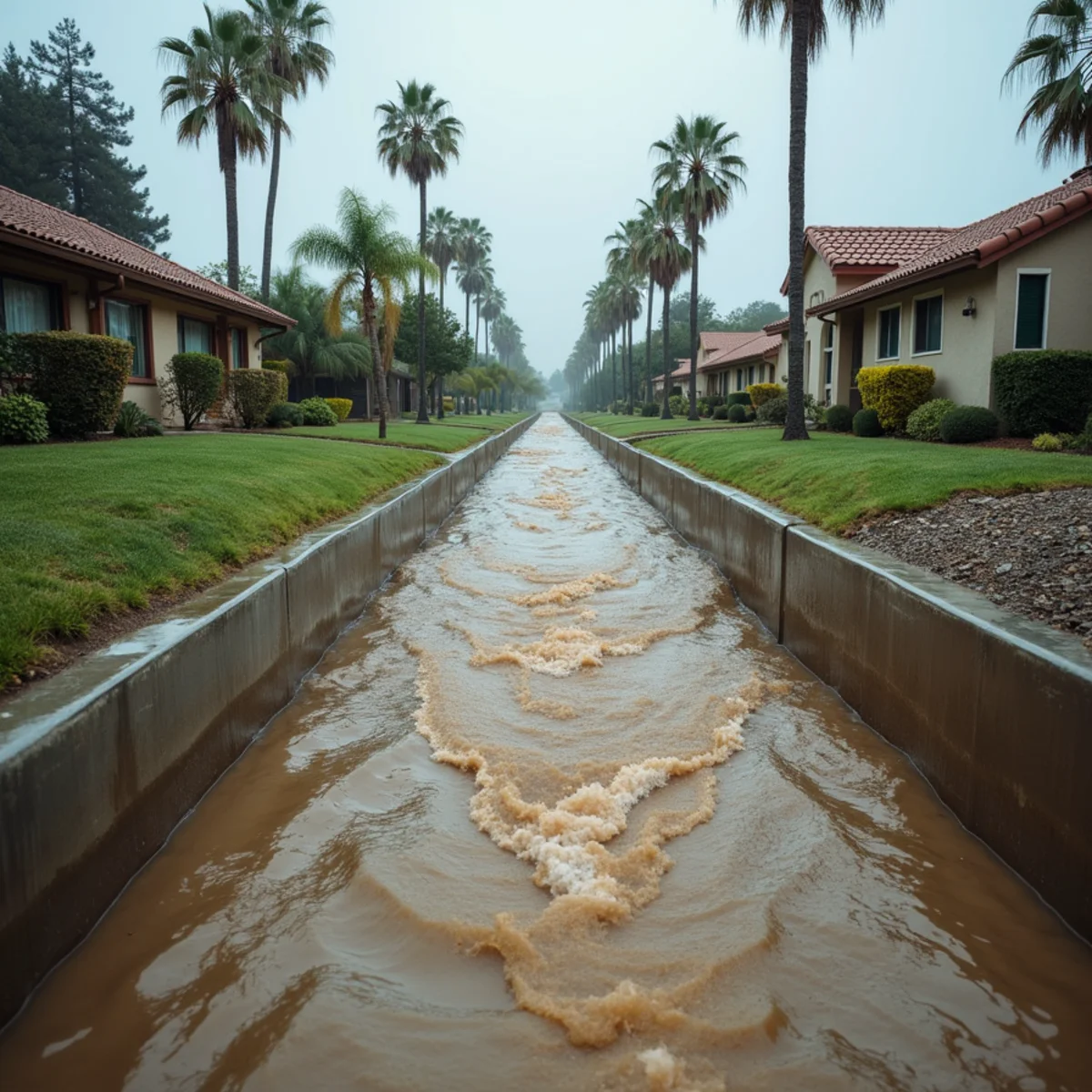
A flood does not knock politely. It arrives through a door, up through a floor, or down from a failed roof, and it usually brings dirt, debris, and contamination with it. Standing in ankle-deep water in your own living room is disorienting, and the instinct to just start hauling things out is strong. The safer first move is to call for help and stay out of the water until the power is off.
Flood water is rarely clean. Water that has crossed the ground, backed up from a drain, or run off a street picks up bacteria, chemicals, and whatever it flowed over. That makes it a health hazard, not just a cleanup, and it means saturated carpet, pad, and drywall often cannot simply be dried and kept. Treat it like clean water and you risk contaminating your home and your family.
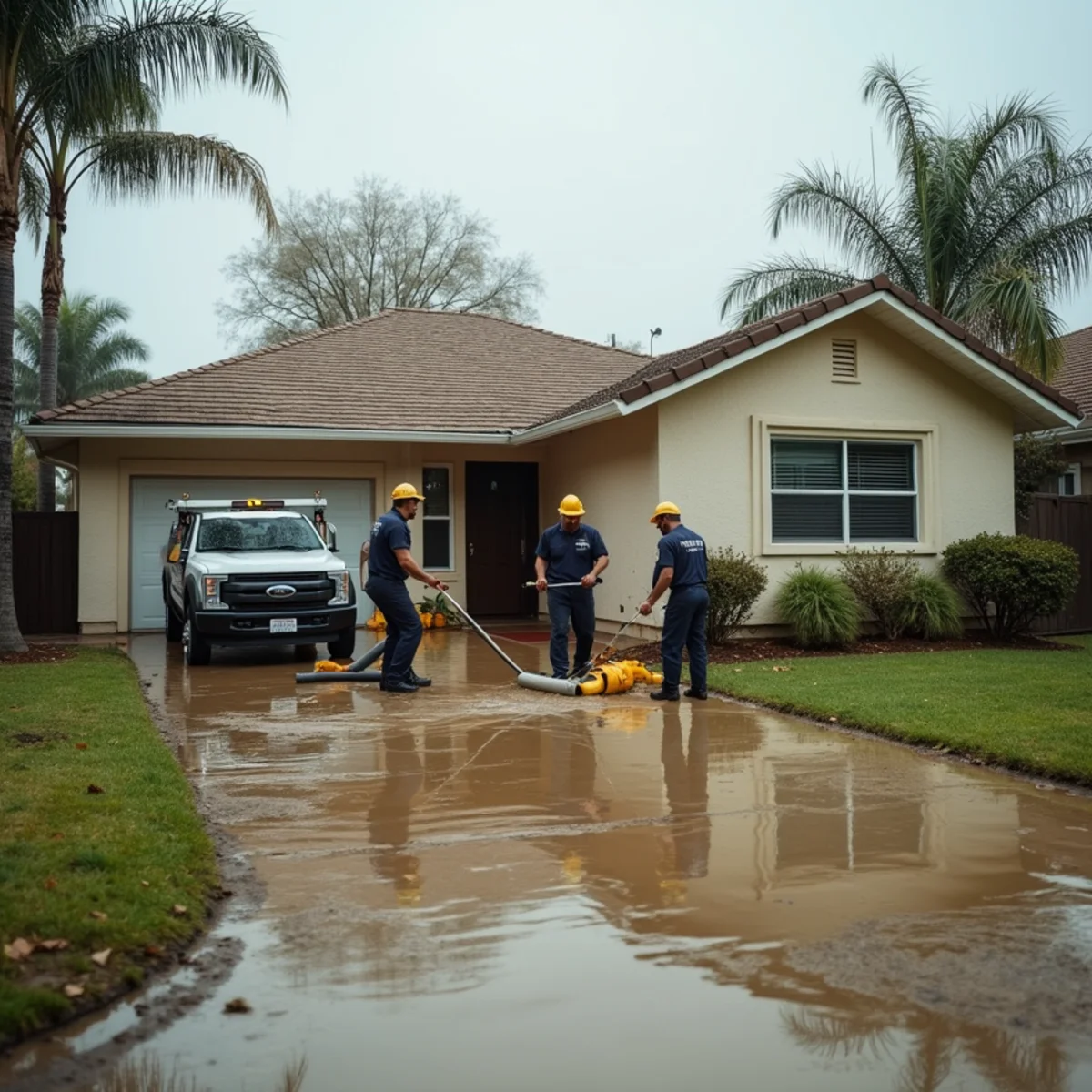
We handle flood losses end to end: safe removal of contaminated water, extraction, controlled removal of unsalvageable materials, sanitizing, and full structural drying. We categorize the water first, so every decision after that, about what stays, what goes, and what gets disinfected, follows the IICRC S500 standard rather than guesswork.
Whether it is one flooded room or an entire ground floor, our 24/7 crews respond across Buena Park in about an hour. Call our line and we will bring the extraction power and containment a flood actually requires.
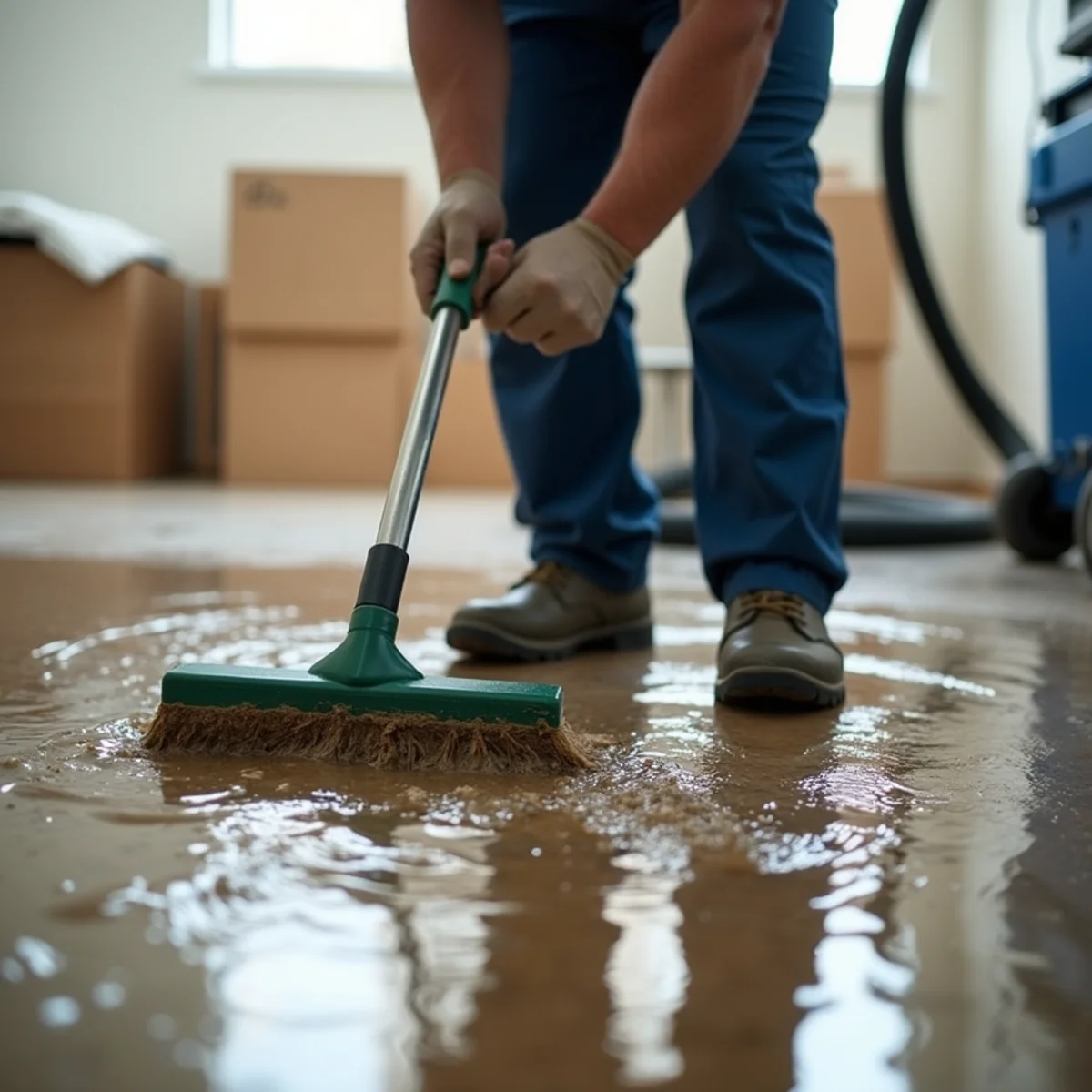
Signs You Need Flood Damage Cleanup in Buena Park
Water damage rarely announces itself politely. Here's what tends to signal that it's time to call a professional:
- Standing water that entered from outside, a storm drain, or a backed-up line
- Visible mud, silt, or debris left in the water
- A foul or sewage-like odor in the flooded area
- Water lines or staining on walls showing how high it rose
- Saturated drywall, insulation, and baseboards along the floor
- Warped, lifting, or delaminating flooring
- Damp, contaminated contents such as furniture, boxes, and electronics
What's Included in Our Flood Damage Cleanup
Flood Damage Cleanup with us is a complete, done-for-you service — not a partial fix that leaves you chasing other contractors. Here's what a typical job includes:
- Category assessment of the floodwater for contamination risk
- Pump-out and extraction of standing floodwater from living spaces
- Muck-out and removal of mud, silt, and debris
- Flood-soaked drywall cut and removed above the water line
- Antimicrobial applied to studs, subfloor, and framing
- Structural drying with air movers and low-grain dehumidifiers
- Flood height and damage documented for your claim
- Coordination with your adjuster on covered flood losses
Why This Matters in Buena Park & North OC
Coyote Creek runs along Buena Park's northwest edge, where the city meets Cerritos and La Mirada, and heavy winter rain raises the flood risk for nearby properties. When a storm pushes water toward homes in that corridor, we respond with truck-mounted extraction sized for larger volumes rather than the trickle a single pump can handle.
Most local rain falls between November and March, often in short, intense bursts that overwhelm drains and low-lying yards. Ground-floor units, garages, and slab homes take the brunt because water has nowhere to go but in. We prioritize these calls during storm events and stage crews to keep response times down even when the whole area is getting hit.
Because so much of Buena Park is multi-family, a flood at ground level can affect several units and shared spaces at once. We coordinate with property managers on access, contents, and containment so the cleanup covers every affected area, not just the loudest complaint.
Our Flood Damage Cleanup Process
We treat flood cleanup as a contamination job first: categorize the water, protect and remove what it spoiled, then extract, sanitize, and dry to standard.
- 1
Emergency Contact & Rapid Assessment
A real person answers your call 24/7 — never a voicemail. We ask a few quick questions to gauge severity, then dispatch a crew immediately. While you wait, we'll walk you through shutting off the water and safely documenting the damage for your insurer.
- 2
Water Extraction
Our technicians arrive with truck-mounted and portable extraction units to pull out standing water fast — the single biggest factor in limiting damage. We move furniture and belongings to dry areas and stop the spread before it reaches new rooms.
- 3
Drying & Dehumidification
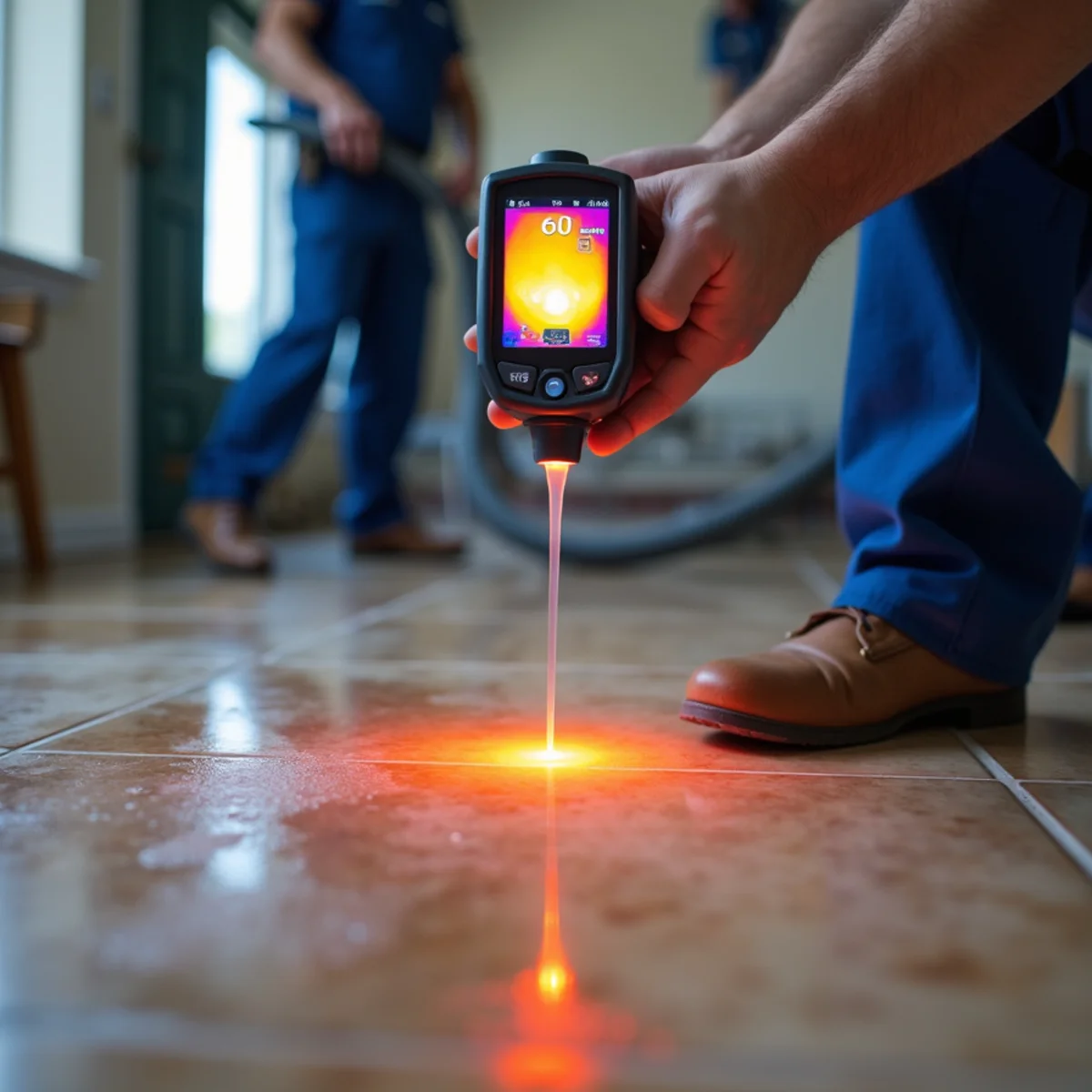
We position industrial air movers and dehumidifiers to dry structural materials from the inside out, then monitor moisture daily with professional meters and thermal imaging so hidden dampness behind walls and under floors doesn't turn into mold.
- 4
Cleaning & Sanitizing
Every affected surface is cleaned with antimicrobial and anti-fungal treatments. For gray- and black-water losses we follow strict IICRC S500 containment, PPE, and disposal protocols to keep your home safe.
- 5
Restoration & Reconstruction
Once your property is dry, we repair or replace drywall, flooring, cabinetry, and paint — and put it back the way it was. One company handles the whole job, from the first extraction to the final coat of paint, so you're never juggling three contractors.
Water Damage Categories We Handle
Not all water is equal. During our assessment we classify the loss so it's treated safely and correctly — this also matters for your insurance claim.
| Category | Typical Sources | How We Handle It |
|---|---|---|
| Category 1 — Clean Water | Broken supply line, sink overflow, rainwater | Fast extraction, drying, and sanitizing. Porous materials like carpet and drywall can often be saved if they're dried within 24–48 hours. |
| Category 2 — Gray Water | Washing machine or dishwasher discharge, toilet overflow (urine only) | Extraction, removal of contaminated porous materials, antimicrobial treatment, and enhanced drying. Technicians work in full PPE. |
| Category 3 — Black Water | Sewage backup, floodwater, toilet overflow with solids | Full containment, removal and disposal of all affected porous materials, heavy-duty sanitization, HEPA filtration, and full PPE per IICRC S500. |
What Affects the Cost of Flood Damage Cleanup
We give you a clear, upfront estimate after a free on-site assessment — no guessing, no fake numbers. The final figure depends on factors like:
- The volume of flood water and how much of the property it reached
- Contamination level and whether the water was gray or black category
- Amount of unsalvageable material that must be removed and disposed of
- Sanitizing and disinfection scope after extraction
- Debris, mud, and silt removal on top of water extraction
- Contents cleaning versus disposal decisions
- Structural drying time for saturated walls, insulation, and flooring
Because we document everything to insurer standards, most of this is typically handled through your homeowner's claim — and we bill your insurance directly.
Need help right now?
Certified crews on standby, 24/7. We'll be there fast.
Flood Damage Cleanup FAQs
Often, yes. Water that entered from outside, a storm drain, or a sewer backup is considered contaminated and can carry bacteria and chemicals. Avoid wading through it, keep children and pets away, and do not touch it if the power to that area is still on. Let a crew in protective gear handle the removal.
It depends on the water and the material. Hard, non-porous items can usually be cleaned and disinfected. Porous materials that soaked up contaminated water, such as carpet pad, saturated drywall, and particleboard furniture, typically have to go, because they cannot be reliably sanitized. We sort salvageable from unsalvageable as we work and document everything for your claim.
This is where the source matters. Damage from an internal failure like a burst pipe is usually covered by a standard homeowners policy, while rising water from a storm or creek generally requires separate flood insurance. We document the cause and loss carefully and can bill whichever policy applies, and we will be straight with you about what your coverage likely includes.
Immediately. Contaminated water gets more hazardous and more damaging every hour it sits, and mold can take hold within a day or two. Fast extraction and sanitizing limit both the health risk and the material loss. Our crews are available around the clock, including during the storms that cause most local flooding.
Yes, and the difference matters for your health. Under IICRC S500, groundwater and storm flooding is Category 3 water, so it can carry sewage, bacteria, and chemicals, and porous materials like carpet pad, the bottom of drywall, and insulation usually have to be removed rather than dried in place. We work in proper PPE, apply an antimicrobial to affected surfaces, and document everything for your claim. Homes near Coyote Creek see this after heavy November-to-March rains.