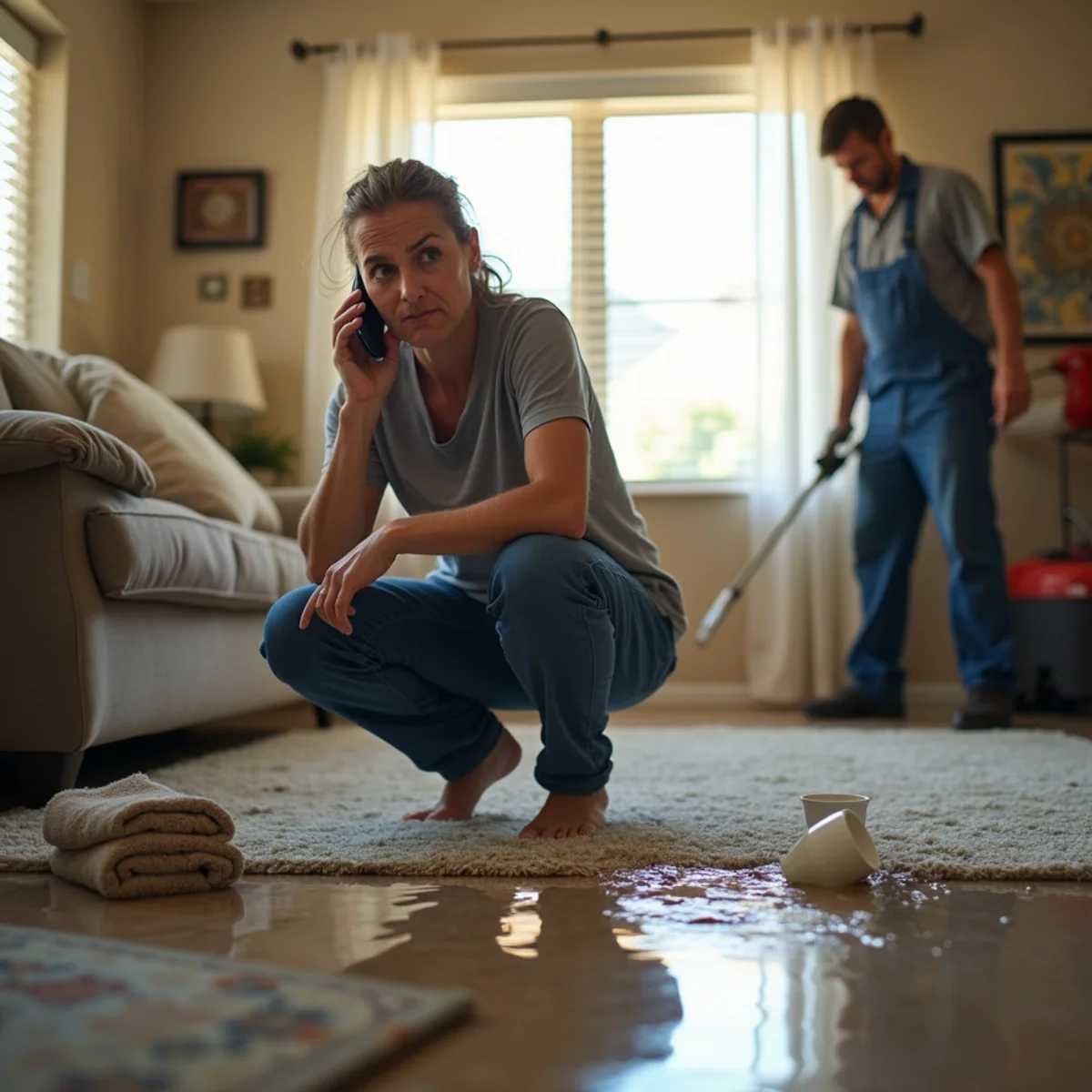
When there is water on the floor, the clock is the enemy. Every gallon still sitting is soaking deeper into your subfloor, your baseboards, and whatever it can reach. Extraction is the single most important thing that happens in the first hours of a water loss, and it is where the amount of eventual damage is largely decided.
A wet-dry shop vac can pull the puddle off the surface, but it barely touches the water already absorbed into carpet pad, subfloor, and the bottom few inches of drywall. That absorbed water is what warps floors and grows mold. Slow, partial removal is why some homes that looked minor on day one need major repairs a week later.
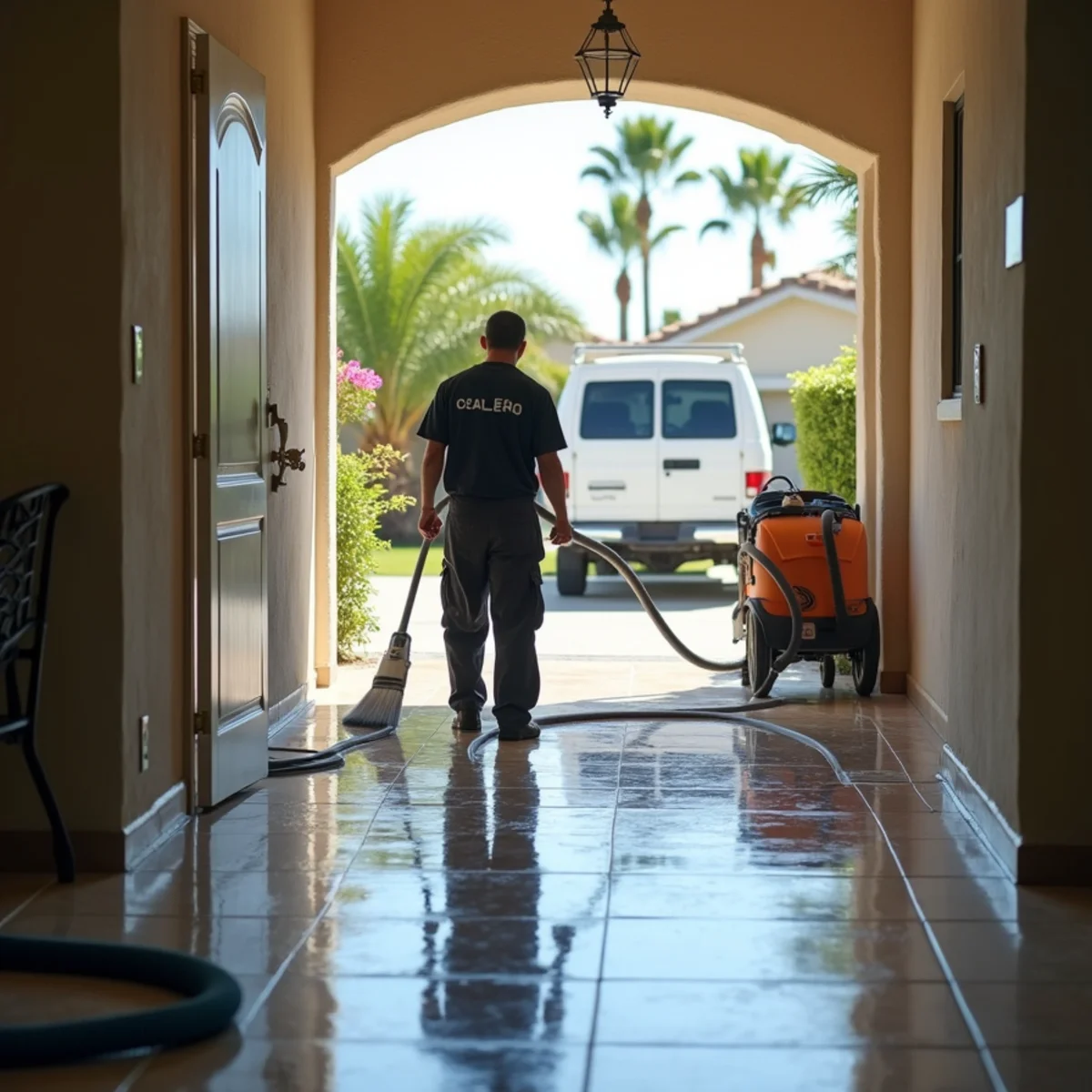
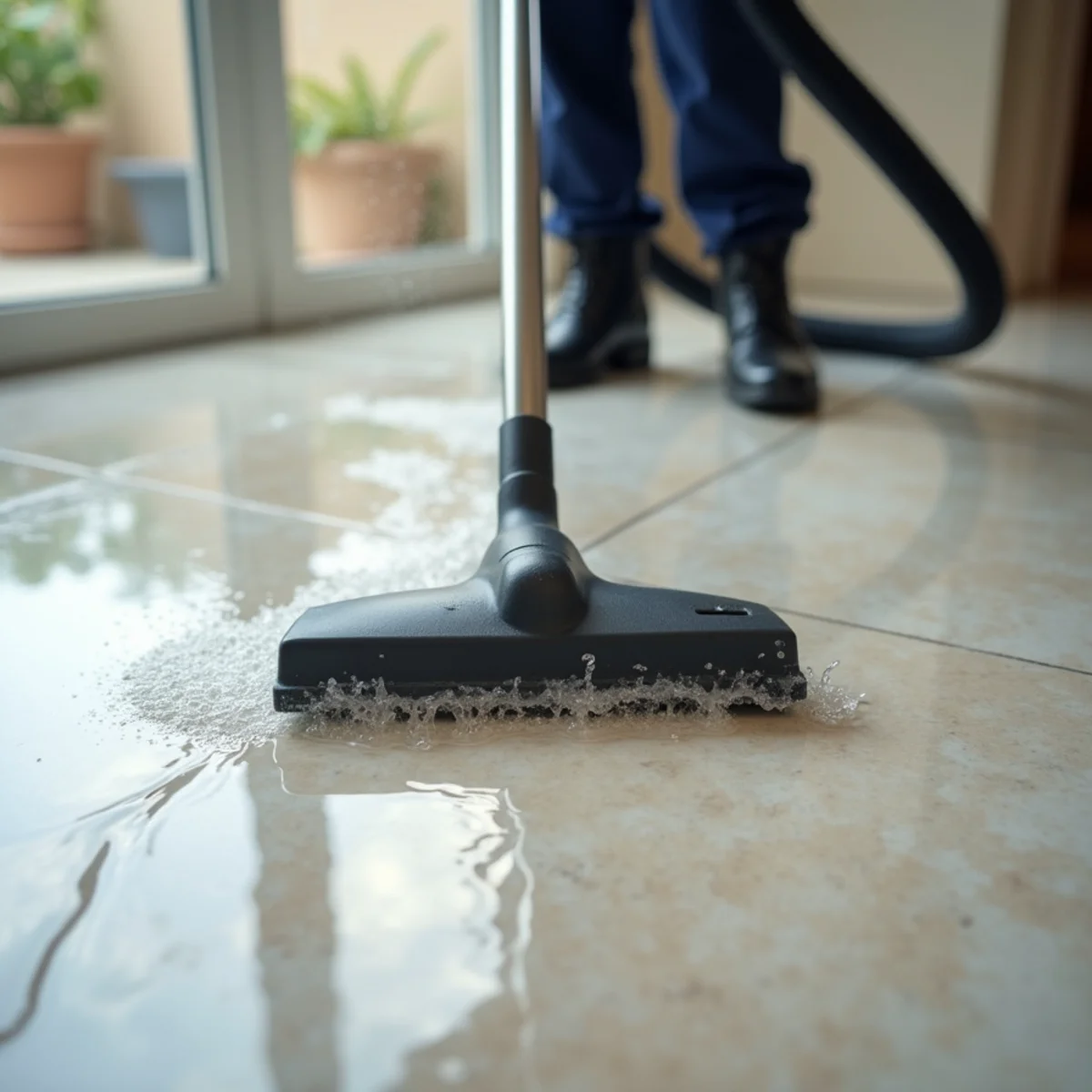
Our truck-mounted extractors pull water out with far more power than portable units, including moisture pressed deep into carpet, pad, and hard-surface seams. We remove standing water first, then extract what the materials are holding, so the drying phase starts from a much drier baseline. Less water in equals fewer materials lost.
Extraction is an emergency, not an appointment. Call our 24/7 line and we will have a crew and equipment at your Buena Park property in about an hour to start pumping.
Signs You Need Water Extraction & Removal in Buena Park
Water damage rarely announces itself politely. Here's what tends to signal that it's time to call a professional:
- Standing water anywhere on the floor after a leak, overflow, or storm
- Squishy, saturated carpet that leaves footprints or releases water when pressed
- Water seeping under walls into the next room
- A flooded garage, sunken room, or crawl space
- Water pooled on tile or hardwood over a concrete slab
- An overflowing appliance or fixture that dumped a large volume fast
- Water rising faster than a mop or shop vac can keep up with
What's Included in Our Water Extraction & Removal
Water Extraction & Removal with us is a complete, done-for-you service — not a partial fix that leaves you chasing other contractors. Here's what a typical job includes:
- Truck-mounted extractors pulling standing water at high volume
- Portable extraction wands for stairs, closets, and tight corners
- Deep carpet and pad extraction with weighted water claws
- Sub-surface extraction reaching water trapped beneath the flooring
- Moisture mapping to find hidden pockets behind the walls
- Removal and disposal of unsalvageable saturated carpet padding
- Air movers placed to start drying right after extraction
Why This Matters in Buena Park & North OC
On the slab foundations common across Buena Park, standing water does not soak down and disappear; it spreads out under flooring and pools against the slab. Truck-mounted extraction with the right hard-surface tools pulls that water back out before it travels room to room. Skipping deep extraction on a slab almost always means more warped flooring later.
In the city's apartments and two-story condos, an overflow upstairs sends water straight through the ceiling to the unit below, hitting two homes at once. We stage extraction in both units so we are removing water from the source and the ceiling cavity below before it brings the drywall down.
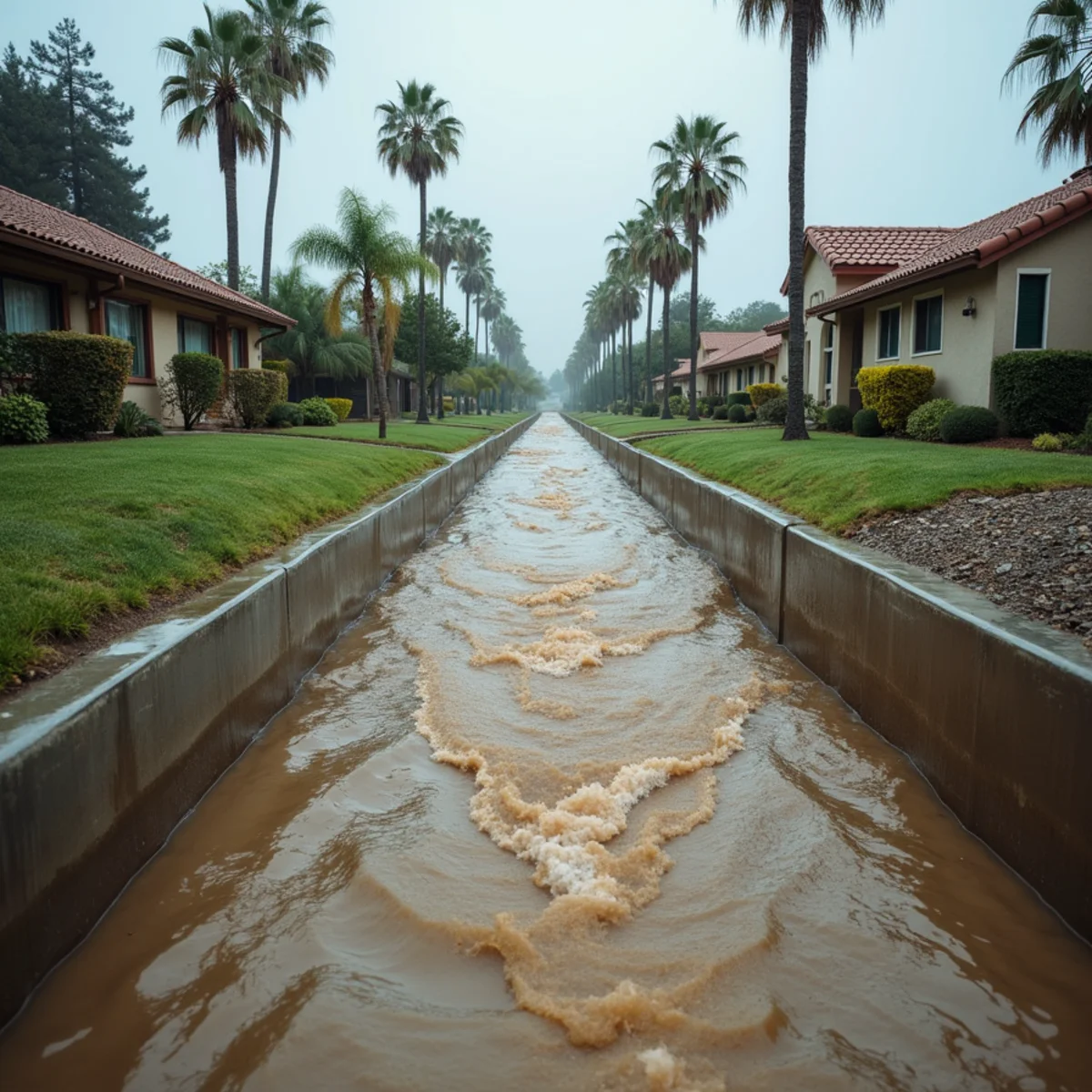
Buena Park's proximity to Coyote Creek and the winter storm season means some of our extraction calls involve larger volumes of intruding water. Our truck-mounted units are built for that scale, so a flooded ground floor gets pumped down quickly rather than one shop-vac tank at a time.
Our Water Extraction & Removal Process
We attack extraction in stages, bulk standing water first and then deep extraction of saturated carpet, pad, and hard surfaces, to remove the most water possible before drying begins.
- 1
Emergency Contact & Rapid Assessment
A real person answers your call 24/7 — never a voicemail. We ask a few quick questions to gauge severity, then dispatch a crew immediately. While you wait, we'll walk you through shutting off the water and safely documenting the damage for your insurer.
- 2
Water Extraction
Our technicians arrive with truck-mounted and portable extraction units to pull out standing water fast — the single biggest factor in limiting damage. We move furniture and belongings to dry areas and stop the spread before it reaches new rooms.
- 3
Drying & Dehumidification
We position industrial air movers and dehumidifiers to dry structural materials from the inside out, then monitor moisture daily with professional meters and thermal imaging so hidden dampness behind walls and under floors doesn't turn into mold.
- 4
Cleaning & Sanitizing
Every affected surface is cleaned with antimicrobial and anti-fungal treatments. For gray- and black-water losses we follow strict IICRC S500 containment, PPE, and disposal protocols to keep your home safe.
- 5
Restoration & Reconstruction
Once your property is dry, we repair or replace drywall, flooring, cabinetry, and paint — and put it back the way it was. One company handles the whole job, from the first extraction to the final coat of paint, so you're never juggling three contractors.
Water Damage Categories We Handle
Not all water is equal. During our assessment we classify the loss so it's treated safely and correctly — this also matters for your insurance claim.
| Category | Typical Sources | How We Handle It |
|---|---|---|
| Category 1 — Clean Water | Broken supply line, sink overflow, rainwater | Fast extraction, drying, and sanitizing. Porous materials like carpet and drywall can often be saved if they're dried within 24–48 hours. |
| Category 2 — Gray Water | Washing machine or dishwasher discharge, toilet overflow (urine only) | Extraction, removal of contaminated porous materials, antimicrobial treatment, and enhanced drying. Technicians work in full PPE. |
| Category 3 — Black Water | Sewage backup, floodwater, toilet overflow with solids | Full containment, removal and disposal of all affected porous materials, heavy-duty sanitization, HEPA filtration, and full PPE per IICRC S500. |
What Affects the Cost of Water Extraction & Removal
We give you a clear, upfront estimate after a free on-site assessment — no guessing, no fake numbers. The final figure depends on factors like:
- The volume of standing water and the square footage it covers
- Water category, since clean, gray, or contaminated water changes handling
- Surface types affected, from carpet and pad to slab-set tile and wood
- Depth of saturation and how much water materials are holding
- Accessibility, including stairs, crawl spaces, and multi-unit access
- Whether carpet pad or flooring must be removed to reach trapped water
- Disposal needs for contaminated water or unsalvageable materials
Because we document everything to insurer standards, most of this is typically handled through your homeowner's claim — and we bill your insurance directly.
Need help right now?
Certified crews on standby, 24/7. We'll be there fast.
Water Extraction & Removal FAQs
A shop vac clears the surface puddle, which helps, but it cannot reach the water absorbed into carpet pad, subfloor, and the base of your walls. That trapped water is what causes the lasting damage. Truck-mounted extraction pulls it back out with vacuum power a household unit cannot match, which is why it makes such a difference to the final outcome.
Ideally within the first several hours. Water migrates and soaks deeper by the minute, and after about 24 to 48 hours you cross into mold territory and material loss climbs sharply. Calling right away, even before you know the full extent, is the best way to keep a water loss small.
It depends on the water and the timing. Clean water caught early often lets us save the carpet and even the pad by extracting and drying in place. Contaminated water, or carpet that sat wet too long, usually means removing at least the pad. We will tell you honestly which situation you are in before anything comes out.
Extraction moves straight into drying. Once the standing and absorbed water is removed, we set air movers and dehumidifiers and take baseline moisture readings so we can track the structure back to dry. Extraction and drying are two phases of the same visit, not separate jobs.
Not quite, because extraction is the first step, not the last. Even after the visible water is gone, the subfloor, drywall, and framing hold moisture you can't see, which is why we follow every extraction with air movers, dehumidifiers, and daily moisture-meter checks. Skipping the drying phase is the most common reason a room that looked cleaned up grows mold a few weeks later.