A leak inside an Old Towne Orange craftsman behaves differently than one in a newer build. Original fir subfloors, lath-and-plaster walls, and decades-old finishes soak up water and hold onto it. Answer the first question fast and you save the house a lot of grief — call our 24/7 line, we'll walk you through shutting off the supply, and a certified crew heads toward the Plaza.
Our technicians are IICRC-certified in Water Restoration and Applied Structural Drying, and we follow the S500 standard on every job. In a home near Chapman University or the antiques district around the Orange Circle, that means thermal imaging and moisture meters first. We map exactly how far the water traveled before a single air mover goes down.
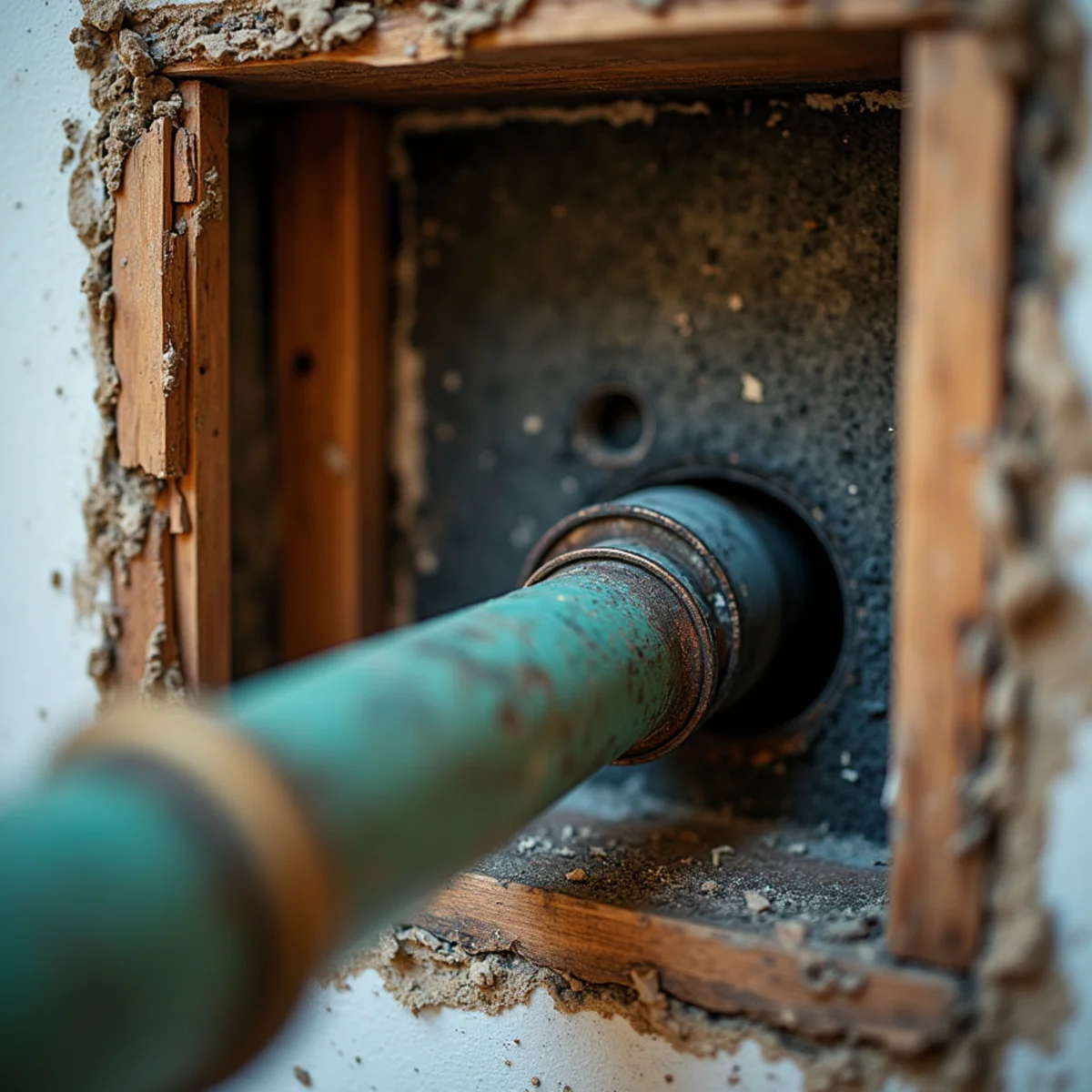
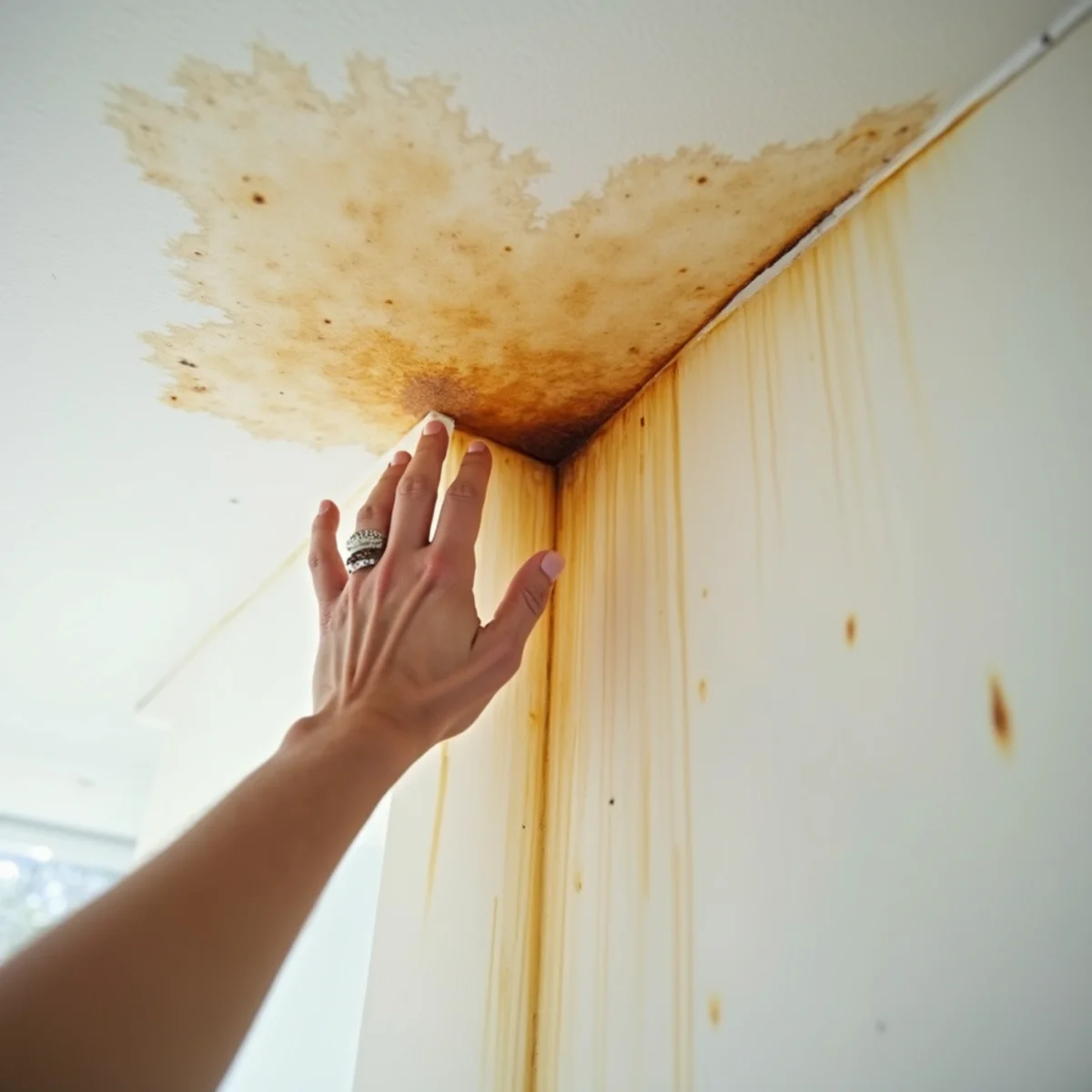
Much of central Orange was built before 1940, and plenty of those homes still run their original galvanized or early copper plumbing. Pinhole leaks and slow supply-line drips are common, and they often hide behind plaster long enough to grow mold. Santiago Creek and the older storm drains can also back up during a heavy winter downpour.
We document everything for your claim, bill your insurer directly where the policy allows, and start with a free inspection. You get a written scope, daily moisture readings, and a crew that treats a ninety-year-old home's original details with the care they deserve.
Common Causes of Water Damage in Orange
Every neighborhood has its own risk profile. In Orange, CA, these are the water damage calls we see most often:
- Pre-1940 homes with original galvanized or early copper plumbing prone to pinhole leaks
- Lath-and-plaster walls and fir subfloors that hold moisture and are slow to dry
- Slow supply-line drips hidden behind plaster until mold sets in
- Santiago Creek and older storm drains backing up in heavy winter rain
- Aging water heaters shortened by Orange County's hard water
- Rental and student housing near Chapman University where leaks go unreported
- Santa Ana winds loosening roof tiles on older homes, leading to rain intrusion
Fast, Local Response to Orange
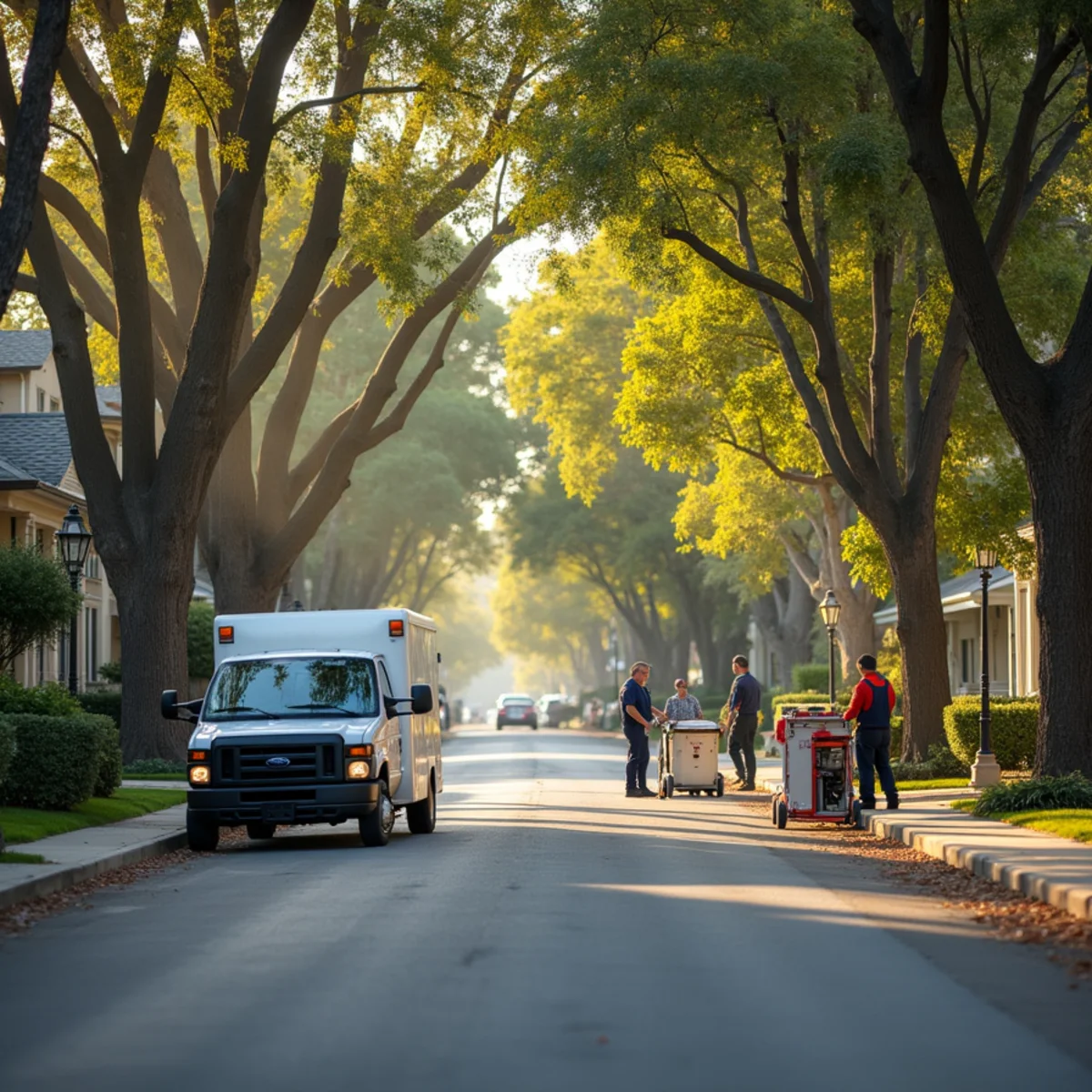
We target a 60-minute arrival across Orange, from Old Towne to the Santiago Creek corridor and the Chapman University neighborhoods. Call our 24/7 line and we'll dispatch the nearest crew.
We regularly work near Old Towne Orange Plaza (the Orange Circle), Chapman University, Santiago Creek, and Hart Park — and everywhere in between. If you're in the area and water is spreading, we can be on our way quickly.
How We Restore Water-Damaged Homes in Orange
- 1
Emergency Contact & Rapid Assessment
A real person answers your call 24/7 — never a voicemail. We ask a few quick questions to gauge severity, then dispatch a crew immediately. While you wait, we'll walk you through shutting off the water and safely documenting the damage for your insurer.
- 2
Water Extraction
Our technicians arrive with truck-mounted and portable extraction units to pull out standing water fast — the single biggest factor in limiting damage. We move furniture and belongings to dry areas and stop the spread before it reaches new rooms.
- 3
Drying & Dehumidification
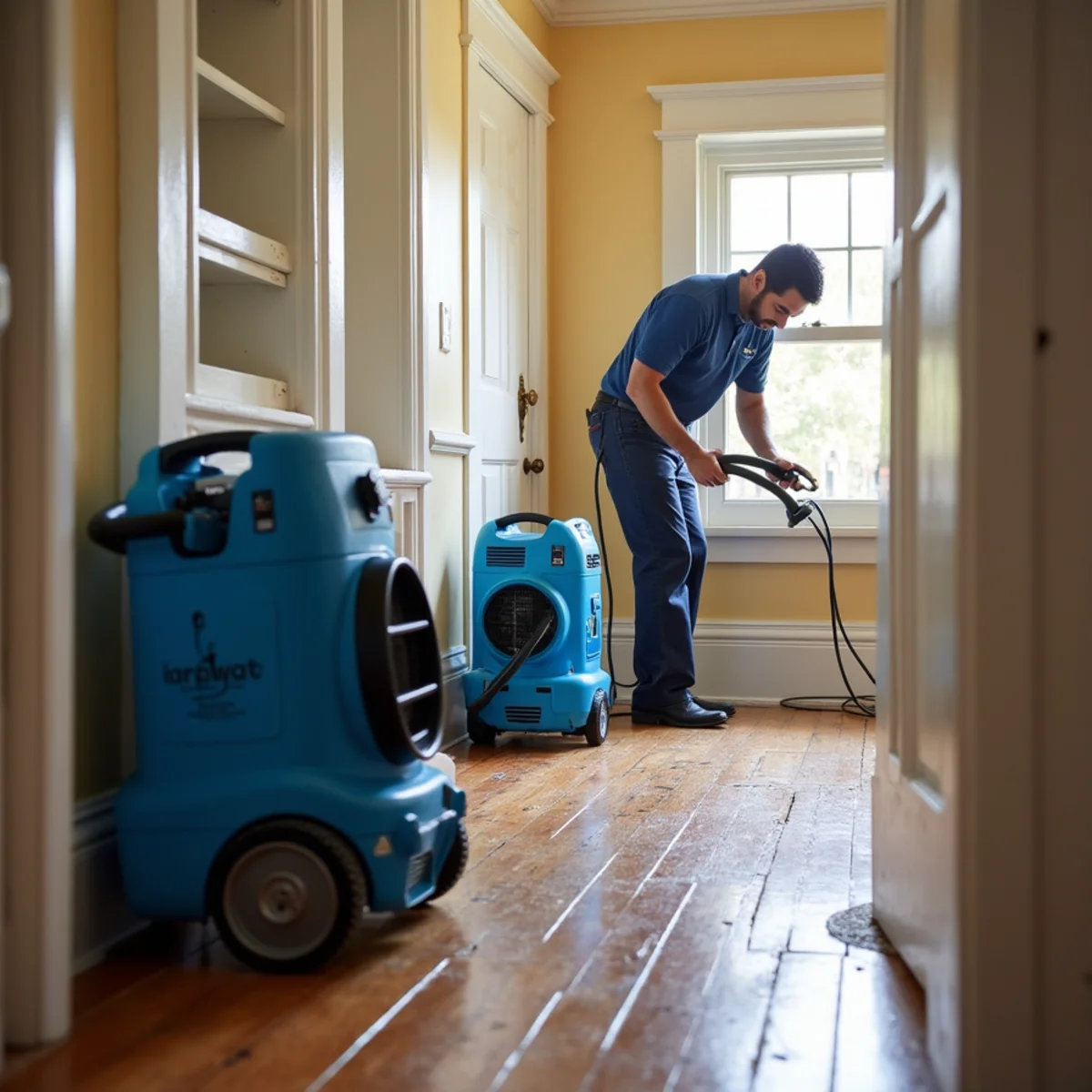
We position industrial air movers and dehumidifiers to dry structural materials from the inside out, then monitor moisture daily with professional meters and thermal imaging so hidden dampness behind walls and under floors doesn't turn into mold.
- 4
Cleaning & Sanitizing
Every affected surface is cleaned with antimicrobial and anti-fungal treatments. For gray- and black-water losses we follow strict IICRC S500 containment, PPE, and disposal protocols to keep your home safe.
- 5
Restoration & Reconstruction
Once your property is dry, we repair or replace drywall, flooring, cabinetry, and paint — and put it back the way it was. One company handles the whole job, from the first extraction to the final coat of paint, so you're never juggling three contractors.
Serving Orange, CA — 24/7
Certified crews on standby. Free inspection, insurance handled.
Orange Water Damage FAQs
Often, yes. In pre-war homes around Old Towne we lead with thermal imaging and moisture meters, then use targeted structural drying and controlled airflow to pull moisture out of wall cavities. We only open finishes where the readings show water we can't reach any other way, and we save original details wherever the structure allows.
From our Buena Park location we usually arrive within an hour, and often sooner off-peak via the SR-57 or Chapman Avenue. The moment you call, we'll tell you how to stop the water and keep everyone safe while the crew is en route.
We do. We work with tenants, owners, and property managers around the university, coordinate access, and document the loss so the right party's insurance can cover it. Fast extraction matters even more in shared buildings, where one unit's leak reaches its neighbors.
Yes. We photograph the damage, log daily moisture readings, and provide a written scope that adjusters recognize. Where your policy allows, we bill the insurer directly so you're not fronting the cost of the drying.
Old Towne Orange has one of California's largest concentrations of historic homes, many with original hardwood, plaster, and raised foundations. Our goal is to dry in place wherever we can, so we lead with thermal imaging and moisture meters to find the wet area precisely and avoid needless demolition. We dry your Orange home to the IICRC S500 standard, which protects both the structure and the period details worth preserving.
We do. The older homes and apartments around Chapman University in Orange are often rentals with aging plumbing, and a toilet overflow or supply-line break can sit for hours before a busy student reports it. We move fast to extract the water, dry the Orange structure, and document the loss cleanly so the landlord's insurer and the tenants both have a clear record. Knowing where the main shutoff is saves real damage in the meantime.