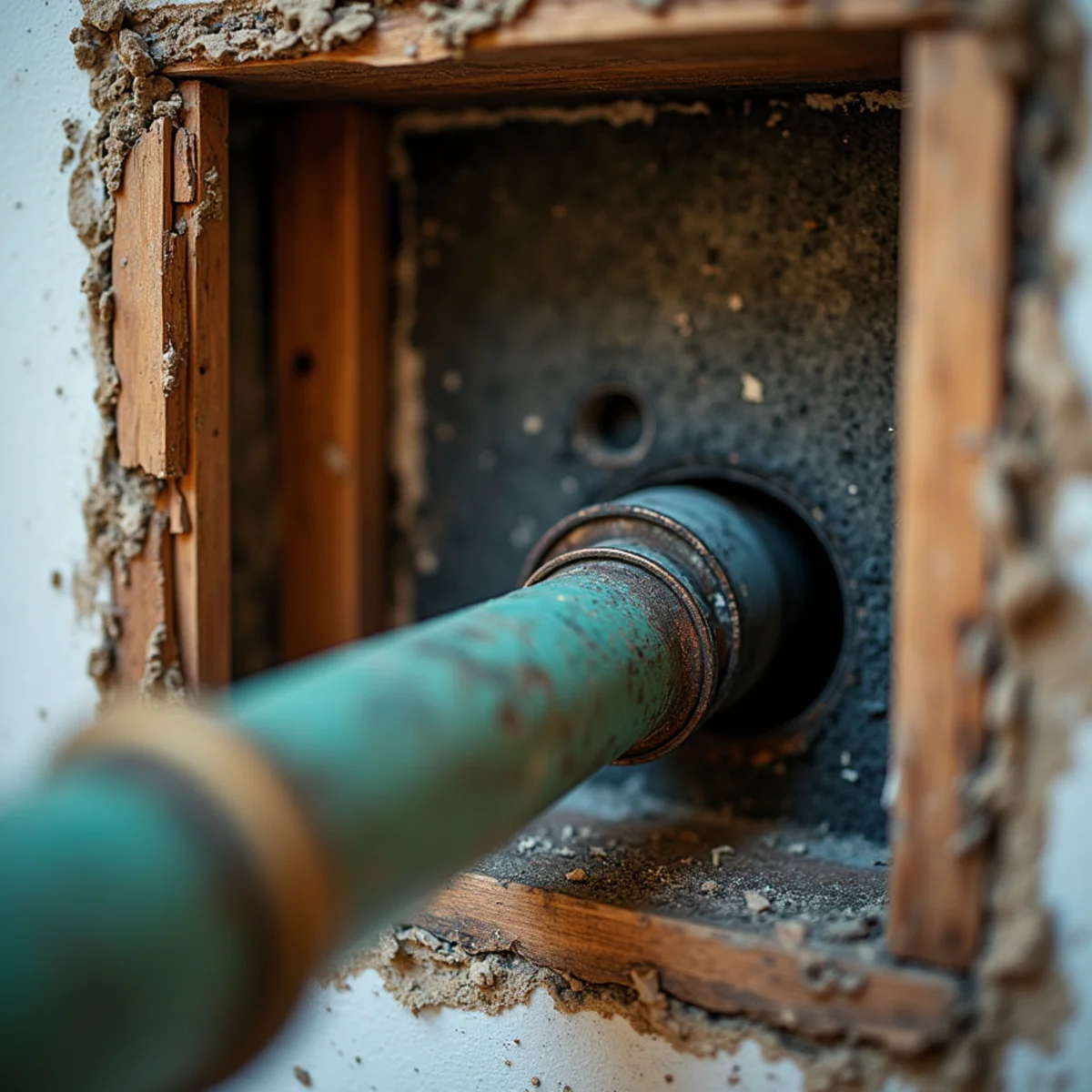
Fountain Valley earned its "A Nice Place to Live" motto with quiet, well-kept neighborhoods — nearly all of them single-story slab tract homes built in the 1960s and '70s. Those homes share a common weak point: copper supply lines run through and beneath the slab, and after fifty-plus years they develop pinhole leaks. When one lets go, the water has nowhere to travel but up into the flooring.
The city sits low and flat, on ground that was marshland long before it was tract housing. The water table is close to the surface, so a slab leak or a slow drip can spread wider than you'd expect, and standing water clears more slowly. That's why we lead with fast extraction and aggressive structural drying, not just surface mopping.
A slab leak here rarely announces itself. The signs are subtle — a warm patch on the floor, a faint mildew smell, baseboards that feel damp, or a water bill that climbed for no reason. We locate the line with electronic and thermal detection so any concrete work is precise, then dry the subfloor and walls to the S500 standard.
Our crews are IICRC-certified, licensed, and insured. We photograph and log every moisture reading, work directly with your insurance adjuster where the policy allows, and start with a free inspection. You'll know the plan and the timeline before we set the first air mover.
Common Causes of Water Damage in Fountain Valley
Every neighborhood has its own risk profile. In Fountain Valley, CA, these are the water damage calls we see most often:
- Almost entirely 1960s-70s slab tract homes with aging copper under the slab
- Under-slab pinhole leaks that surface as warm spots and rising water bills
- Low, flat elevation on former marshland, with water that spreads and lingers
- High water table that slows drying and complicates subfloor moisture removal
- Santa Ana River adjacency raising flood exposure in heavy storms
- Flat lots with slow drainage where rain pools against foundations
- Original water heaters and valves worn down by hard water
Fast, Local Response to Fountain Valley
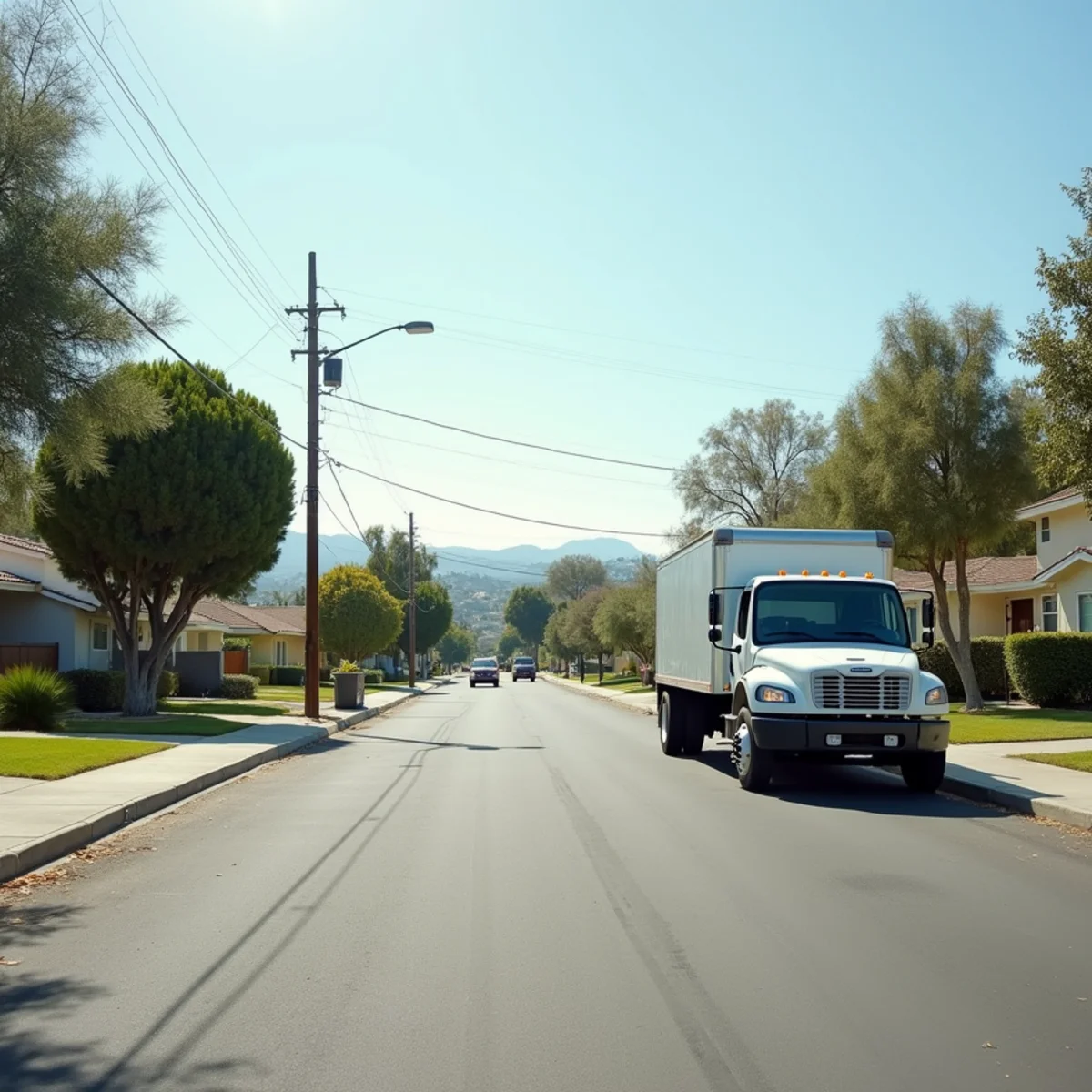
We target 60-minute arrival throughout Fountain Valley, from the Mile Square Park neighborhoods to the streets along the Santa Ana River. Our 24/7 line is always answered.
We regularly work near Mile Square Regional Park, Mile Square Golf Course, Fountain Valley Sports Park, and Fountain Valley Regional Hospital — and everywhere in between. If you're in the area and water is spreading, we can be on our way quickly.
How We Restore Water-Damaged Homes in Fountain Valley
- 1
Emergency Contact & Rapid Assessment
A real person answers your call 24/7 — never a voicemail. We ask a few quick questions to gauge severity, then dispatch a crew immediately. While you wait, we'll walk you through shutting off the water and safely documenting the damage for your insurer.
- 2
Water Extraction
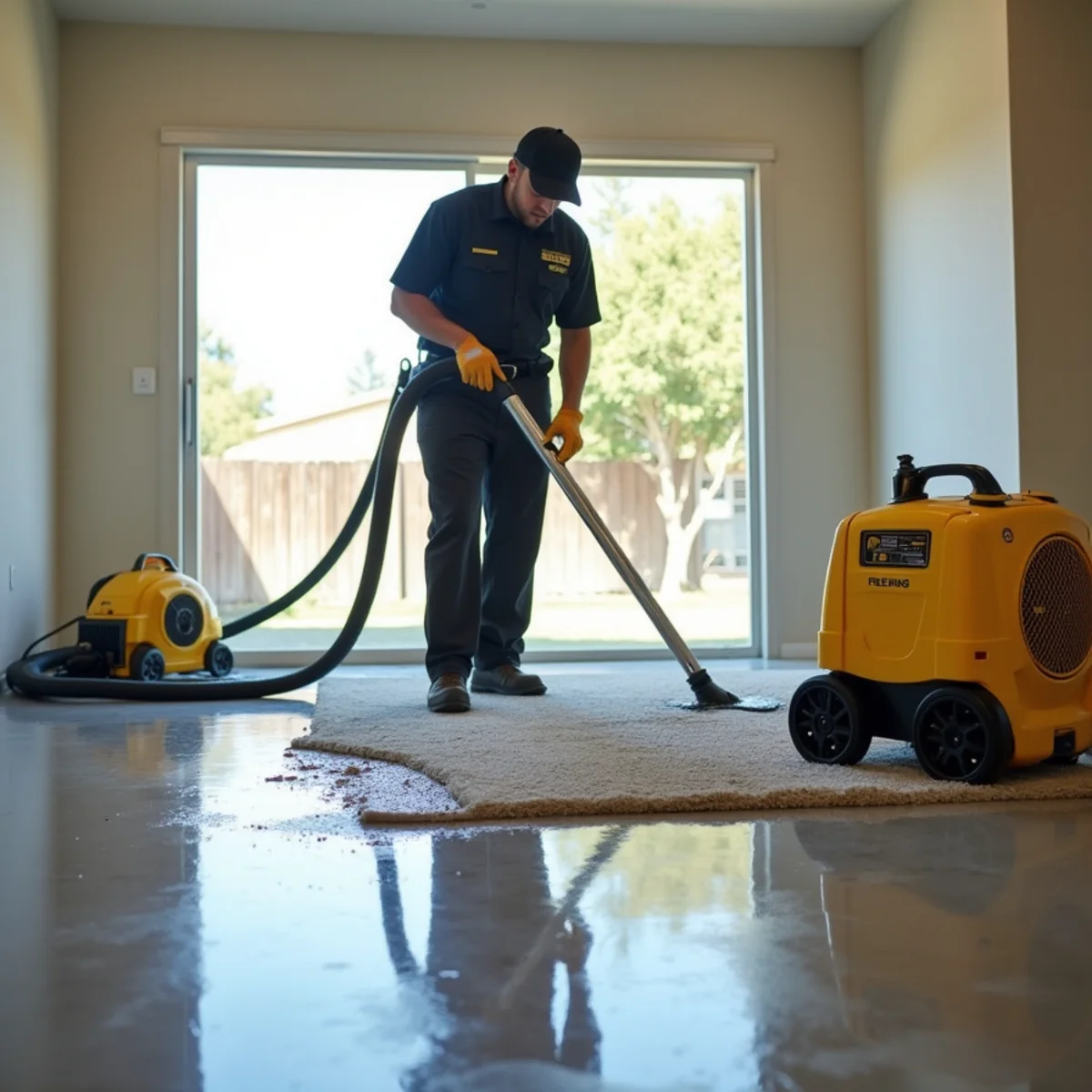
Our technicians arrive with truck-mounted and portable extraction units to pull out standing water fast — the single biggest factor in limiting damage. We move furniture and belongings to dry areas and stop the spread before it reaches new rooms.
- 3
Drying & Dehumidification
We position industrial air movers and dehumidifiers to dry structural materials from the inside out, then monitor moisture daily with professional meters and thermal imaging so hidden dampness behind walls and under floors doesn't turn into mold.
- 4
Cleaning & Sanitizing
Every affected surface is cleaned with antimicrobial and anti-fungal treatments. For gray- and black-water losses we follow strict IICRC S500 containment, PPE, and disposal protocols to keep your home safe.
- 5
Restoration & Reconstruction
Once your property is dry, we repair or replace drywall, flooring, cabinetry, and paint — and put it back the way it was. One company handles the whole job, from the first extraction to the final coat of paint, so you're never juggling three contractors.
Serving Fountain Valley, CA — 24/7
Certified crews on standby. Free inspection, insurance handled.
Fountain Valley Water Damage FAQs
Most homes here were built in the 1960s and '70s with copper supply lines run through the slab. Decades of hard water and soil movement wear those lines thin, and pinhole leaks are the result. Because the water is trapped under concrete, early detection saves your flooring and keeps the repair small.
It can. On Fountain Valley's low, flat ground, moisture spreads farther and clears more slowly. We counter that with truck-mounted extraction, more drying capacity, and careful moisture monitoring so the subfloor and walls actually reach dry, not just dry to the touch.
Usually within the hour. From Buena Park it's a straight shot down Beach Boulevard, and we keep a 60-minute response goal citywide. Call our line and we'll talk you through shutting off the water while we head your way.
Yes. We document the source, capture photos, and log daily moisture readings that adjusters expect. Where your policy allows, we bill the insurer directly so the drying doesn't come out of your pocket up front.
Fountain Valley sits low and flat near the Santa Ana River, and the area's high water table is part of how the city got its name. During heavy winter storms, that combination can back water into garages and low-lying rooms faster than you'd expect. We treat storm water as contaminated, extract it quickly, disinfect what it touched, and dry your Fountain Valley home to the IICRC S500 standard so nothing stays damp behind the walls.
Most of Fountain Valley grew in the 1960s and 70s, and those slab tract homes are now old enough that the original copper plumbing is a frequent source of leaks. A pinhole under the slab can wet the flooring from below for a while before you notice a warm spot or a climbing water bill. We pinpoint the leak in your Fountain Valley home with electronic detection, keep the slab work small, and dry the flooring and walls to a safe dry standard.