Whittier has real history in its housing. Around Uptown and the streets near Whittier College you will find 1920s craftsman homes and plenty built before 1950, with original hardwood, plaster walls, and plumbing that has been patched more than once. That character is worth protecting, which is why we slow down and dry these homes carefully rather than tearing out more than we have to.
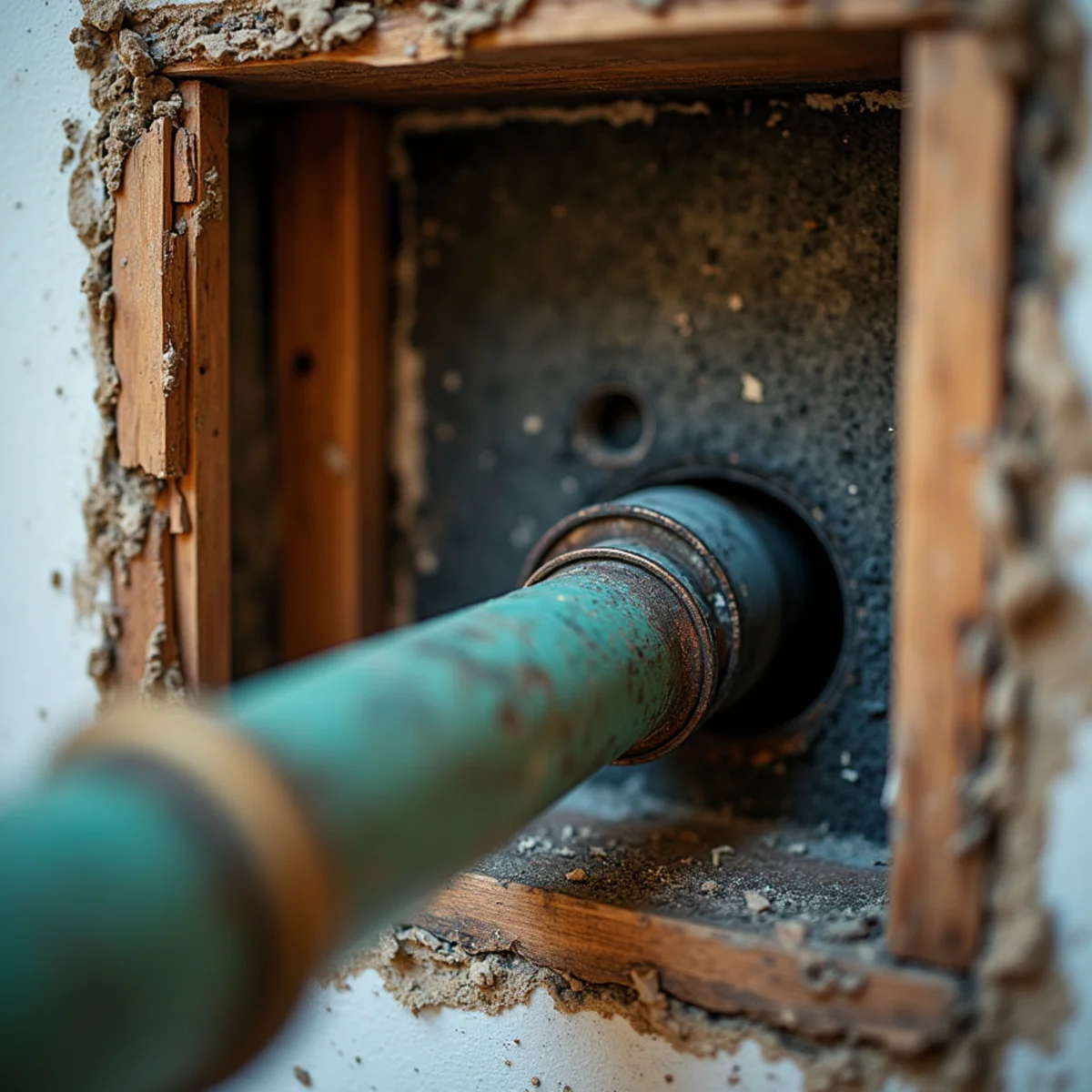
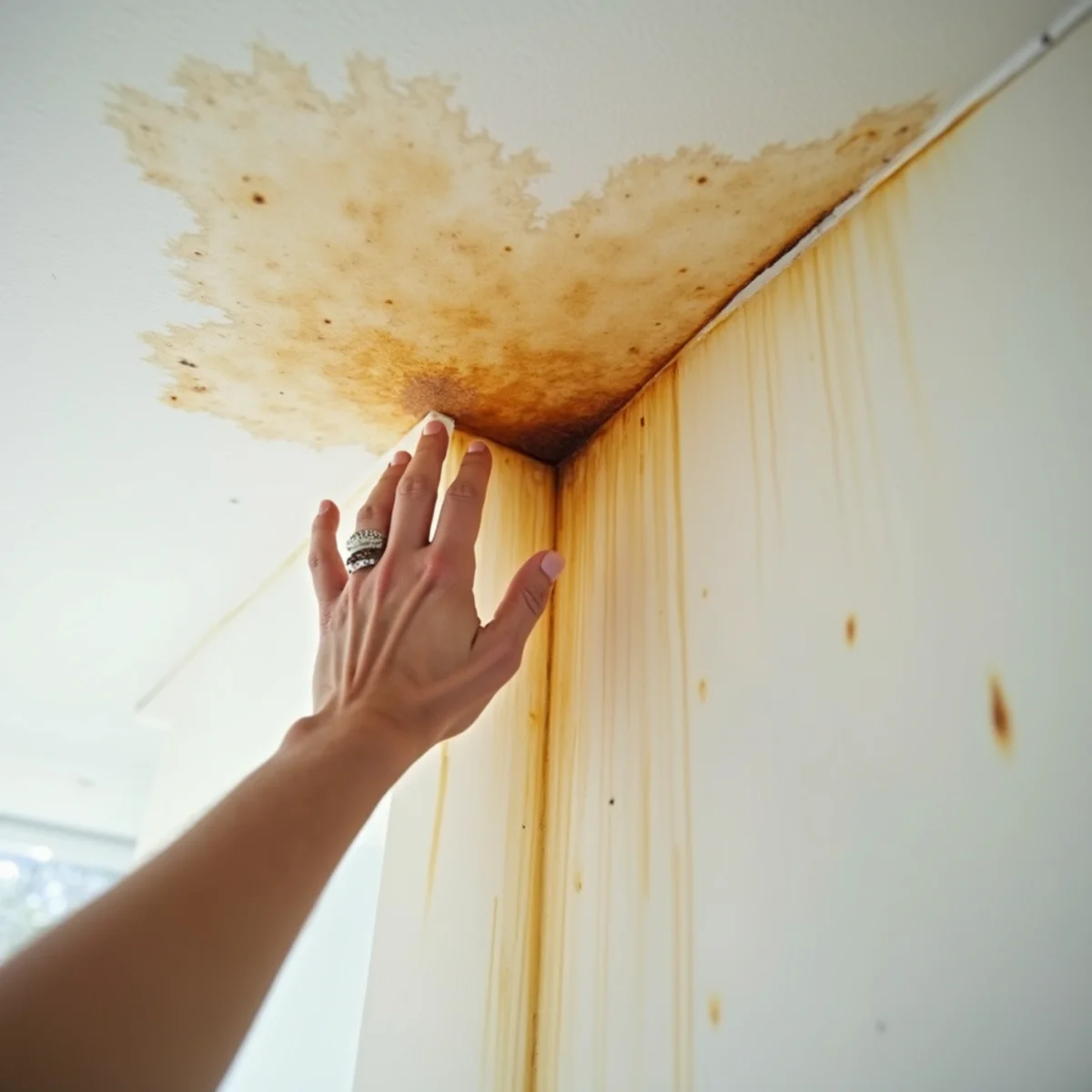
Old pipes are the usual culprit. Decades-old galvanized supply lines, cast-iron drains, and brittle angle stops fail without much warning, and a slow leak behind a plaster wall can spread before you ever see it. We trace the moisture with meters and thermal imaging so we know the true footprint of the damage before we open anything.
The hillside neighborhoods add another wrinkle. Sloped lots move water toward foundations during winter storms, and Whittier's ground has been shaken hard before, most memorably in the 1987 Whittier Narrows earthquake, which stressed joints and connections in a lot of these older homes. Small movement over the years can turn a tight fitting into a slow drip.
We are IICRC-certified in water restoration and structural drying, licensed and insured, and locally owned. We offer a free inspection, protect original materials where we can, and bill your insurance directly so the paperwork is one less thing to carry.
Common Causes of Water Damage in Whittier
Every neighborhood has its own risk profile. In Whittier, CA, these are the water damage calls we see most often:
- Pre-1950 and 1920s craftsman homes with original galvanized supply and cast-iron drain lines
- Plaster walls and hardwood floors that hide and hold moisture longer than modern materials
- Hillside lots that channel storm runoff toward foundations and crawl spaces
- Aging angle stops, supply hoses, and water heaters overdue for replacement
- Old fittings loosened over time, including movement from the 1987 Whittier Narrows quake
- Mature trees and root intrusion that crack and clog older sewer laterals
Fast, Local Response to Whittier
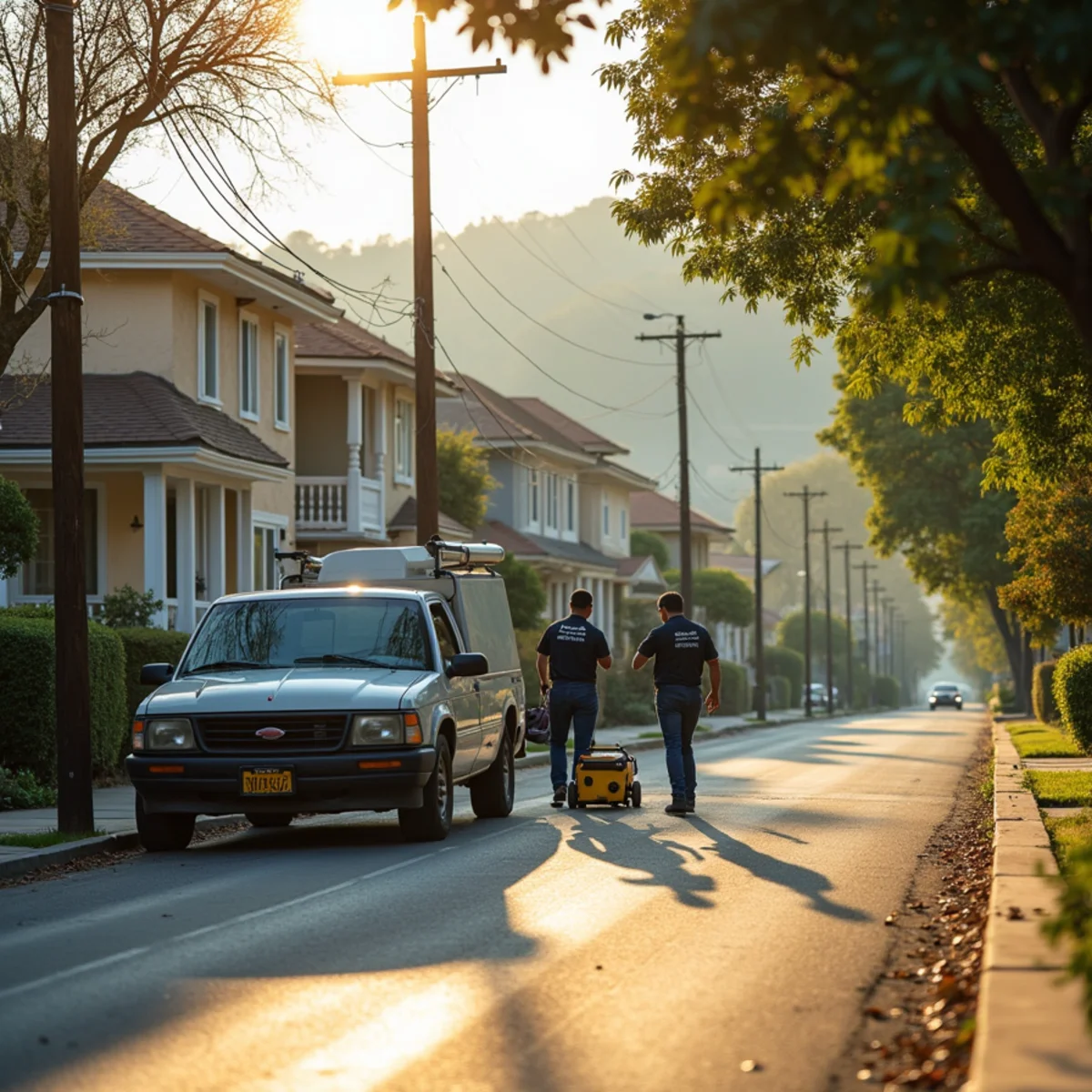
We roll out of Buena Park at 6131 Orangethorpe Ave and cover Whittier as part of our Los Angeles County edge. Coming up from the county line rather than across the middle of the county usually gets us there faster, and we aim to be at your door within an hour.
We regularly work near Uptown Whittier and Greenleaf Avenue, Whittier College, Whittier Narrows, and Rose Hills Memorial Park — and everywhere in between. If you're in the area and water is spreading, we can be on our way quickly.
How We Restore Water-Damaged Homes in Whittier
- 1
Emergency Contact & Rapid Assessment
A real person answers your call 24/7 — never a voicemail. We ask a few quick questions to gauge severity, then dispatch a crew immediately. While you wait, we'll walk you through shutting off the water and safely documenting the damage for your insurer.
- 2
Water Extraction
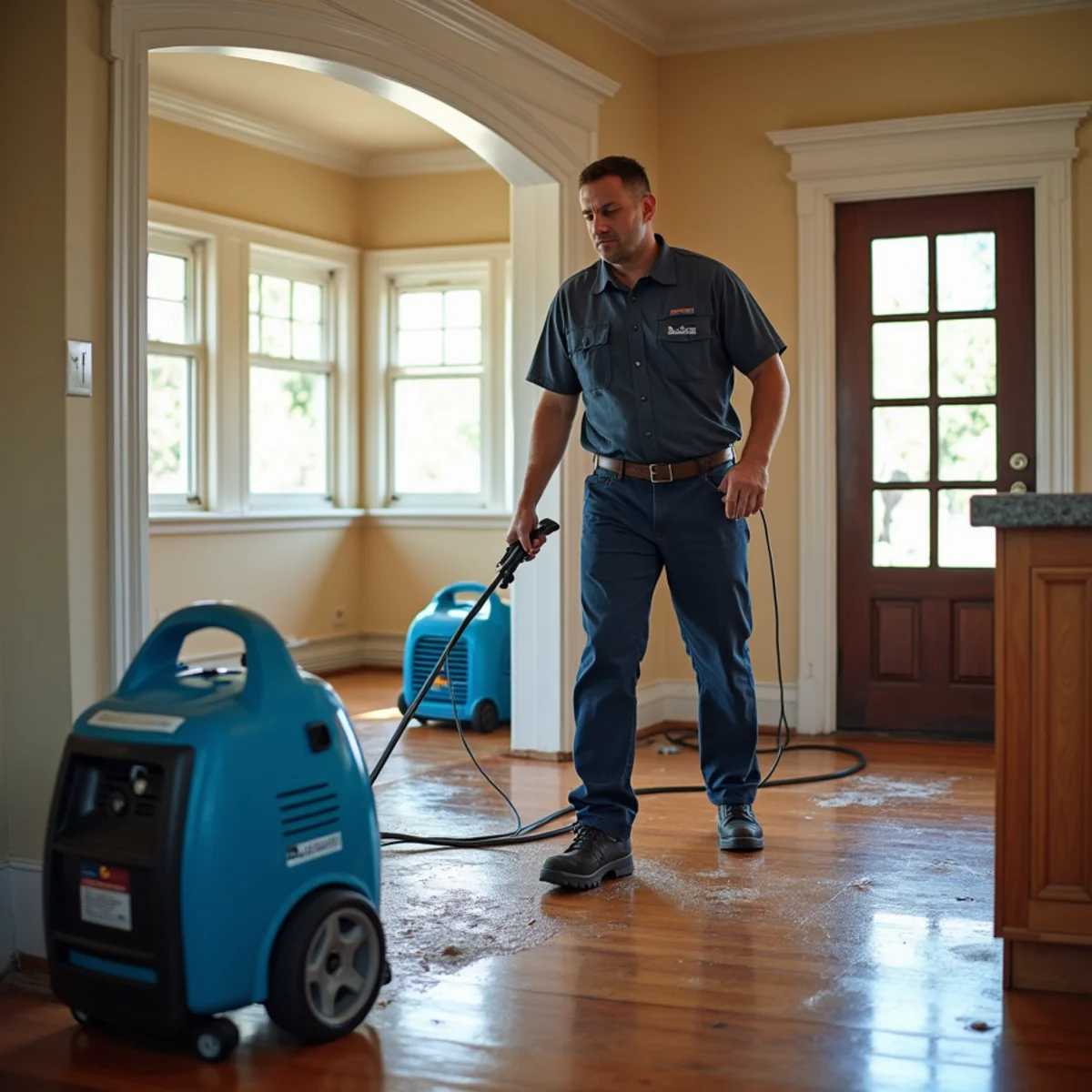
Our technicians arrive with truck-mounted and portable extraction units to pull out standing water fast — the single biggest factor in limiting damage. We move furniture and belongings to dry areas and stop the spread before it reaches new rooms.
- 3
Drying & Dehumidification
We position industrial air movers and dehumidifiers to dry structural materials from the inside out, then monitor moisture daily with professional meters and thermal imaging so hidden dampness behind walls and under floors doesn't turn into mold.
- 4
Cleaning & Sanitizing
Every affected surface is cleaned with antimicrobial and anti-fungal treatments. For gray- and black-water losses we follow strict IICRC S500 containment, PPE, and disposal protocols to keep your home safe.
- 5
Restoration & Reconstruction
Once your property is dry, we repair or replace drywall, flooring, cabinetry, and paint — and put it back the way it was. One company handles the whole job, from the first extraction to the final coat of paint, so you're never juggling three contractors.
Serving Whittier, CA — 24/7
Certified crews on standby. Free inspection, insurance handled.
Whittier Water Damage FAQs
Often, yes. Older wood and plaster respond well to controlled drying when we start early. We measure moisture continuously and only remove materials that are truly saturated or unsalvageable, so we keep as much original character as possible.
Decades-old galvanized pipe corrodes from the inside, and fittings work loose over time and with ground movement. These leaks often run behind plaster for days, which is why we thermal-image the walls to find the full extent.
Yes. When water sits in an older home, mold can follow within a couple of days. We contain the area, remove affected material, dry the structure, and address the source so it does not return.
Uptown Whittier and the streets around it hold many early-1900s Craftsman and bungalow homes, a lot of them on raised foundations with crawl spaces below. When a supply line or drain fails, water pools under the floor out of sight, feeding rot and mold in the joists. We extract standing water from the crawl space of your Whittier home, run air movers beneath the floor, and monitor the framing until the moisture readings return to normal.
They can be. Whittier's homes climbing into Friendly Hills and the Puente Hills face runoff and slope drainage that flatland homes don't, and a hard winter storm can push water against a foundation or into a lower level. We extract the water, look at where it entered the Whittier home, and dry the structure thoroughly, since moisture trapped against a hillside wall is slow to clear. Checking the grading afterward helps prevent a repeat.