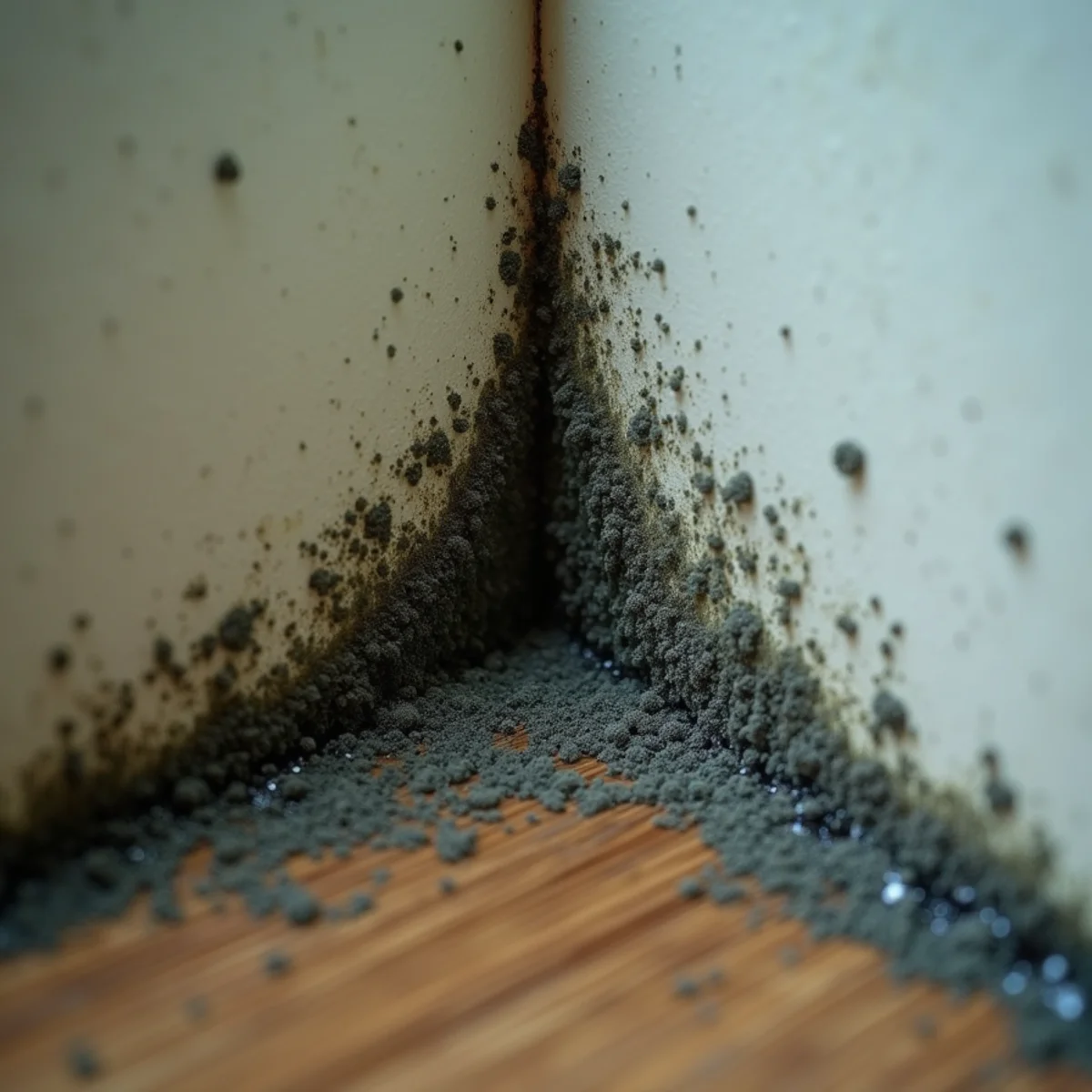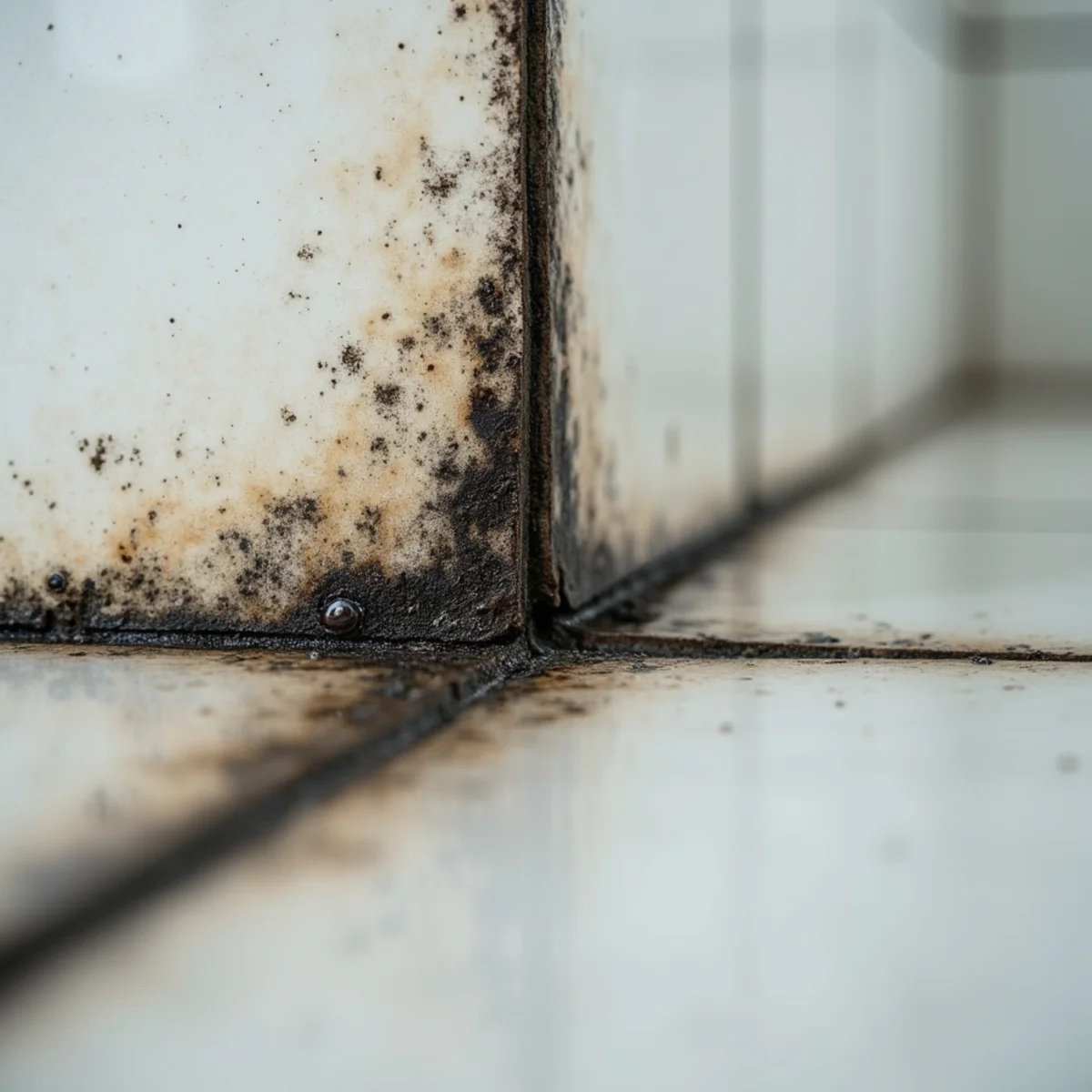
The first question almost every Buena Park homeowner asks is "what's this going to cost?" It's a fair question, and an honest answer is that mold removal doesn't have a single sticker price. Two jobs that look identical on the surface can differ by a wide margin once someone opens up a wall and sees what the moisture has been doing behind it.
A patch of mold on one bathroom wall is a small, contained project. Mold that has crept under flooring, soaked a carpet pad, or spread inside a wall cavity on a slab home is a different animal. The price follows the work, and the work follows how far the problem has traveled.
Below is a plain walk-through of the factors that actually move the number, where homeowners insurance may or may not help, and why the cheapest bid is often the most expensive mistake. The only way to get an accurate figure is a free on-site inspection, but understanding the drivers lets you read any estimate with a sharper eye.
Why there's no flat price for mold removal
Mold remediation is priced by scope, not by the pound. A technician has to answer several questions before a real number exists: How large is the affected area? What materials are involved? Is the source still active? How much containment is needed to keep spores from spreading to clean rooms?
As a general industry guide, a small and contained area, say a single patch of surface mold on an accessible wall, is often a few hundred dollars. Larger jobs that require tearing out saturated materials, sealing off rooms, and running negative-air equipment can climb into the low thousands, and whole-home remediation with heavy containment can run higher still. These are ranges, not quotes. Your home sits somewhere on that spectrum, and an inspection is what pinpoints it.
Treat any company that gives you a firm price over the phone, sight unseen, with caution. They're either guessing or planning to add charges later.
The biggest driver: size and where the mold is hiding
Square footage is the starting point, but location often matters more. Mold on an open, accessible wall is straightforward to reach and remove. Mold tucked under a slab-home's flooring, behind baseboards, inside a wall cavity, or within HVAC ductwork takes far more labor to expose and treat, and that labor is where the cost lives.
Buena Park has a lot of slab-on-grade homes, and that matters here. When water gets under laminate or wood flooring on a slab, it has nowhere to drain and nowhere to dry, so it sits and feeds growth you can't see from the surface. The same is true behind baseboards after a slow plumbing leak. By the time there's a visible stain or a musty smell, the hidden area is usually larger than the spot you noticed.
This is also why humidity after our November through March rains causes so many calls. Trapped moisture plus a warm wall cavity is exactly what mold wants. If you're not sure how quickly a damp spot becomes a real problem, our explainer on how fast mold grows lays out the timeline.
Material removal: what has to come out
Some materials can be cleaned and saved. Others are porous enough that mold roots into them, and the only reliable fix is removal and replacement. Drywall, carpet, carpet pad, insulation, and sometimes the lower sections of cabinets fall into the second group once they've been colonized.
The more material that has to be cut out, bagged, and hauled off, the more the remediation costs, and the more the rebuild afterward costs too. A job that stops at wiping a surface is cheap because it's barely a remediation. A job that removes two feet of drywall around a leak, pulls the soaked pad, and treats the framing is doing the actual work, and the estimate reflects that.
When growth is the aggressive, staining kind, the removal is usually more extensive, which is one reason black mold removal can land at the higher end. The color isn't what sets the price; the extent of contaminated material does.
Containment, negative air, and lab testing
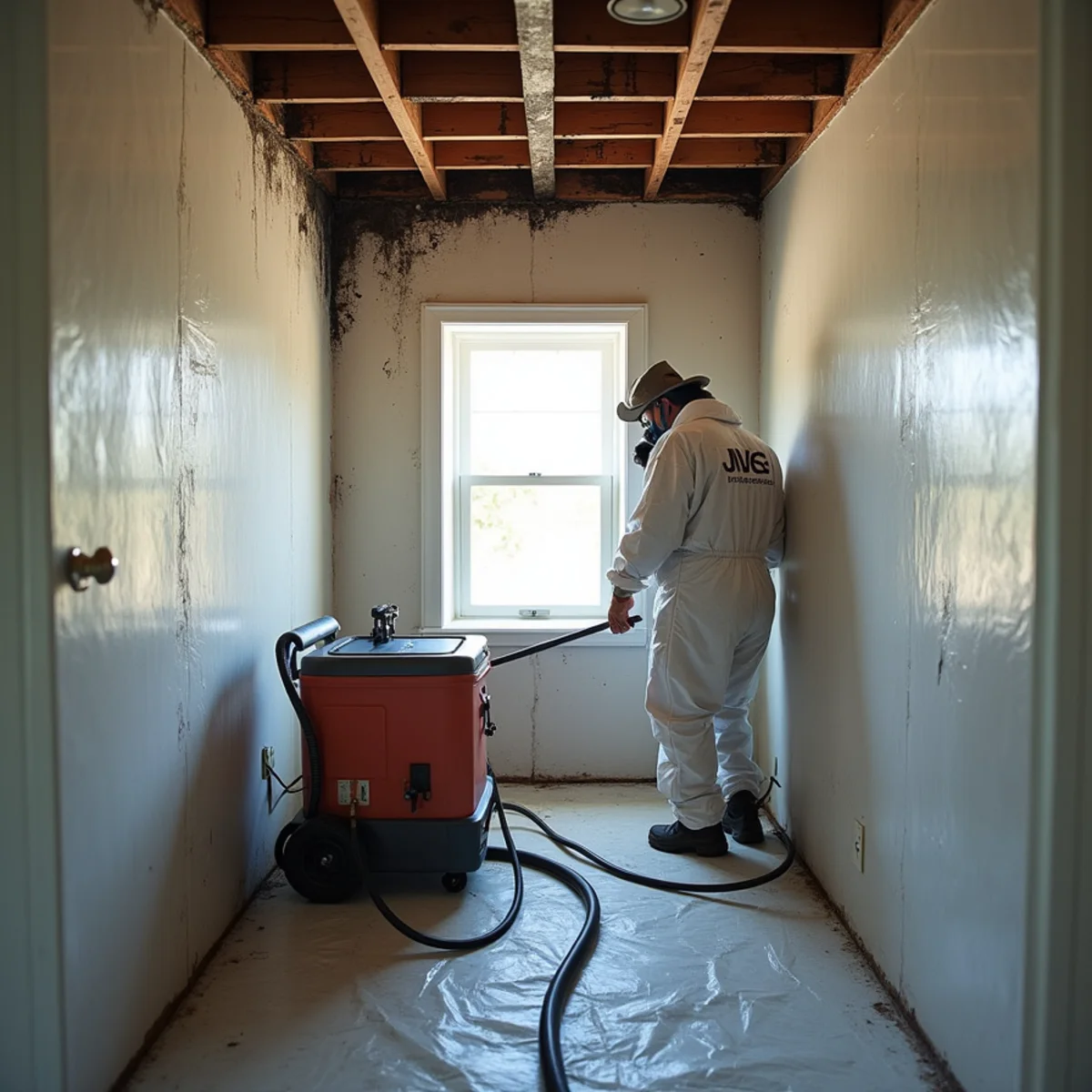
Proper remediation keeps spores from migrating into clean parts of the house while the work is underway. That means plastic containment barriers, sealed-off doorways, and negative-air machines with HEPA filtration that hold the work zone at lower pressure so air flows in, not out. This equipment and setup is a real line item, and skipping it is one of the most common corners cut by lowball operators.
Testing is a separate decision. Not every job needs a lab, but pre- and post-remediation sampling is worth it when someone in the home has health concerns, when the source is unclear, or when you want documented proof the work succeeded. If you're weighing whether to test, our mold inspection and testing service explains what sampling does and doesn't tell you. Lab fees add to the total, but they buy certainty.
We follow the IICRC S500 standard and our technicians hold WRT and ASD certifications, so the containment and drying steps are done to a recognized protocol rather than improvised on the day.
The cost people skip: fixing the moisture source
Here's the part that separates a lasting fix from a temporary one. Mold is a symptom. Water is the disease. If a slow supply-line leak, a failed water heater, a roof drip, or trapped humidity is feeding the growth, removing the mold without fixing the source just resets the clock. It will be back, often in the same spot, within weeks.
A legitimate estimate accounts for finding and addressing that source, which may mean drying the structure thoroughly, correcting the moisture condition, or coordinating a plumbing repair. This overlaps with water damage work, and the two are frequently priced together. If your mold started with a burst pipe or appliance failure, our breakdown of water damage restoration cost covers that side of the budget.
When you compare quotes, ask each company directly: how are you finding and fixing the water source? If the answer is vague, the price is too good to be true for a reason.
When homeowners insurance helps (and when it won't)
Insurance can change your out-of-pocket cost dramatically, but coverage hinges on the cause. Policies generally help when mold results from a sudden, accidental, covered water loss, such as a pipe that burst or an appliance that failed and flooded a room. In those cases the resulting mold is often treated as part of the water-damage claim.
Coverage is far less likely when the mold grew from long-term neglect, a leak left unrepaired for months, or ongoing humidity and poor ventilation. Insurers view that as a maintenance issue, not a sudden event. Many California policies also cap mold-related payouts, so even a covered claim may not cover everything.
We bill insurance directly and document the loss thoroughly, which takes the paperwork off your plate and helps your adjuster see exactly what happened. We can't promise what a carrier will approve, but clear documentation gives a claim its best footing. Full remediation is the same scope we provide for whole-home mold removal regardless of who's paying.
Why the cheapest bid usually costs more
"Spray and pray" jobs look attractive on price. Someone fogs the area with a biocide, wipes the visible growth, and leaves, often with no containment, no material removal, and no attention to the water source. A few weeks later the mold returns, and now you're paying twice, once for the shortcut and again for the real remediation plus the extra damage that spread in the meantime.
A sound estimate itemizes the work: containment, removal of affected materials, HEPA cleaning, drying, source correction, and, when warranted, testing. If a bid is a single low lump sum with no detail, that's a signal, not a bargain. Nearby Buena Park neighbors in Anaheim and across North Orange County call us for second opinions on exactly these too-good-to-be-true quotes.
The goal isn't to spend the most. It's to spend once, on work that holds.
Frequently Asked Questions
It depends on the size of the affected area, where the mold is, how much material has to be removed, whether containment and lab testing are needed, and what it takes to fix the moisture source. A small contained spot is often a few hundred dollars, while larger jobs with heavy containment can run into the thousands. A free on-site inspection is the only way to get an accurate number for your home.
Often yes when the mold results from a sudden, covered water loss like a burst pipe or appliance failure, and often no when it grew from long-term leaks, neglect, or humidity that your policy treats as maintenance. Many California policies also cap mold payouts. We bill insurance directly and document the loss to give your claim its best chance.
The color itself doesn't set the price. Aggressive, staining growth usually means more contaminated material and more extensive removal, which raises the labor and disposal involved. The extent of the damage, not the shade of the mold, is what drives the cost.
Surface spraying hides the problem without removing colonized material or fixing the water feeding it, so the mold typically returns, and the hidden spread keeps growing in the meantime. That's why cheap spray-and-wipe jobs usually cost more in the long run than doing it right once.
Not always. Testing is most useful when someone in the home has health concerns, when the source is unclear, or when you want documented proof the work succeeded. Pre- and post-remediation sampling adds a lab fee but buys certainty. Our inspection can tell you whether testing makes sense for your situation.
Dealing with water damage right now?
Water Damage Buena Park responds 24/7 across Buena Park & North OC.