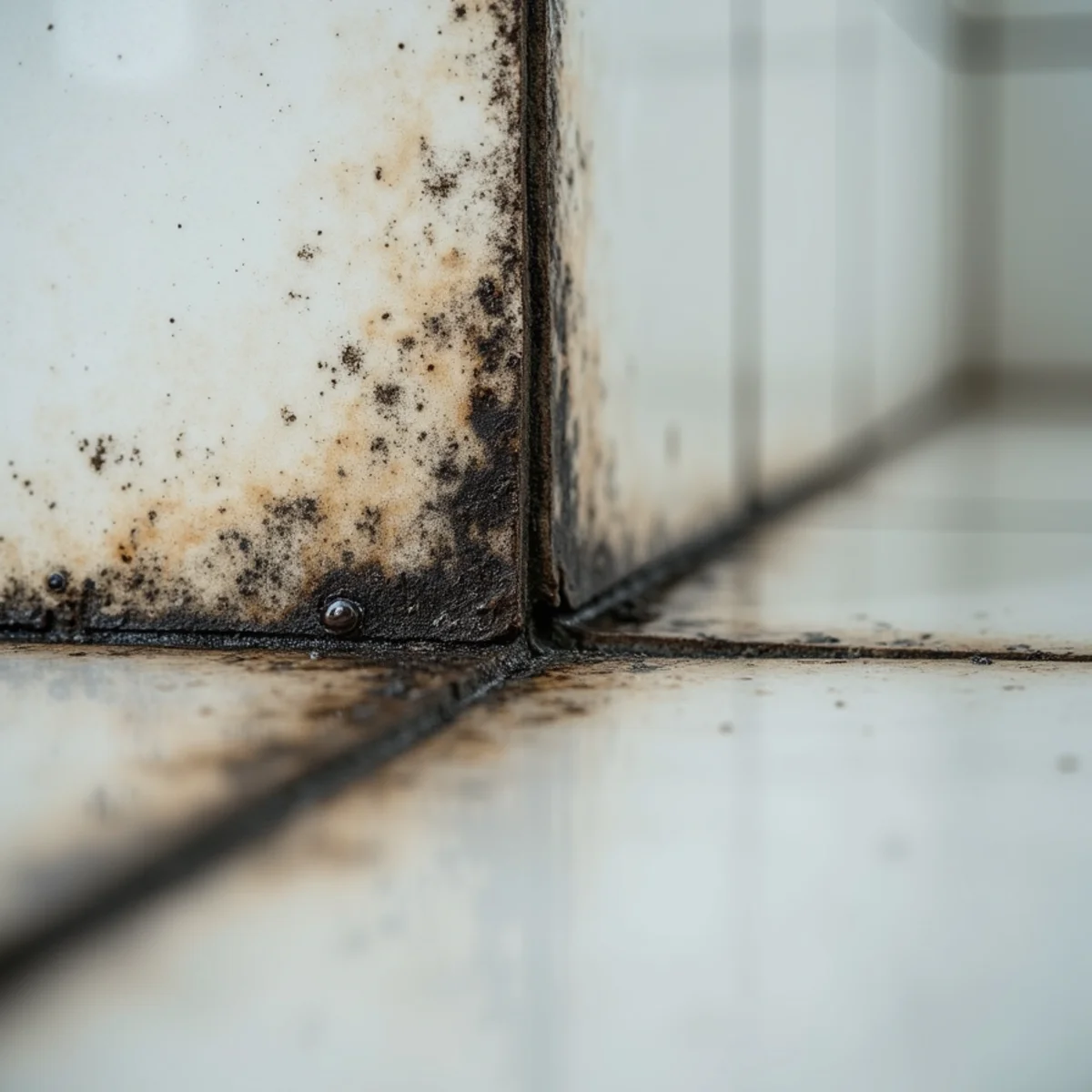
Finding what looks like black mold in your home is unsettling, and the internet will happily make it worse. Take a breath. Most dark mold is manageable when it is handled correctly, and handling it correctly is exactly what we do. The wrong move, such as scrubbing it with bleach, running a fan across it, or ripping out drywall without containment, is what actually spreads spores through the house.
Black mold usually points to a moisture problem that has been quietly running for a while: a supply-line leak inside a wall, a shower pan that has failed, a roof that has let rain into an attic. We treat the growth and the cause together. Removing visible mold without drying the structure behind it just resets the clock.
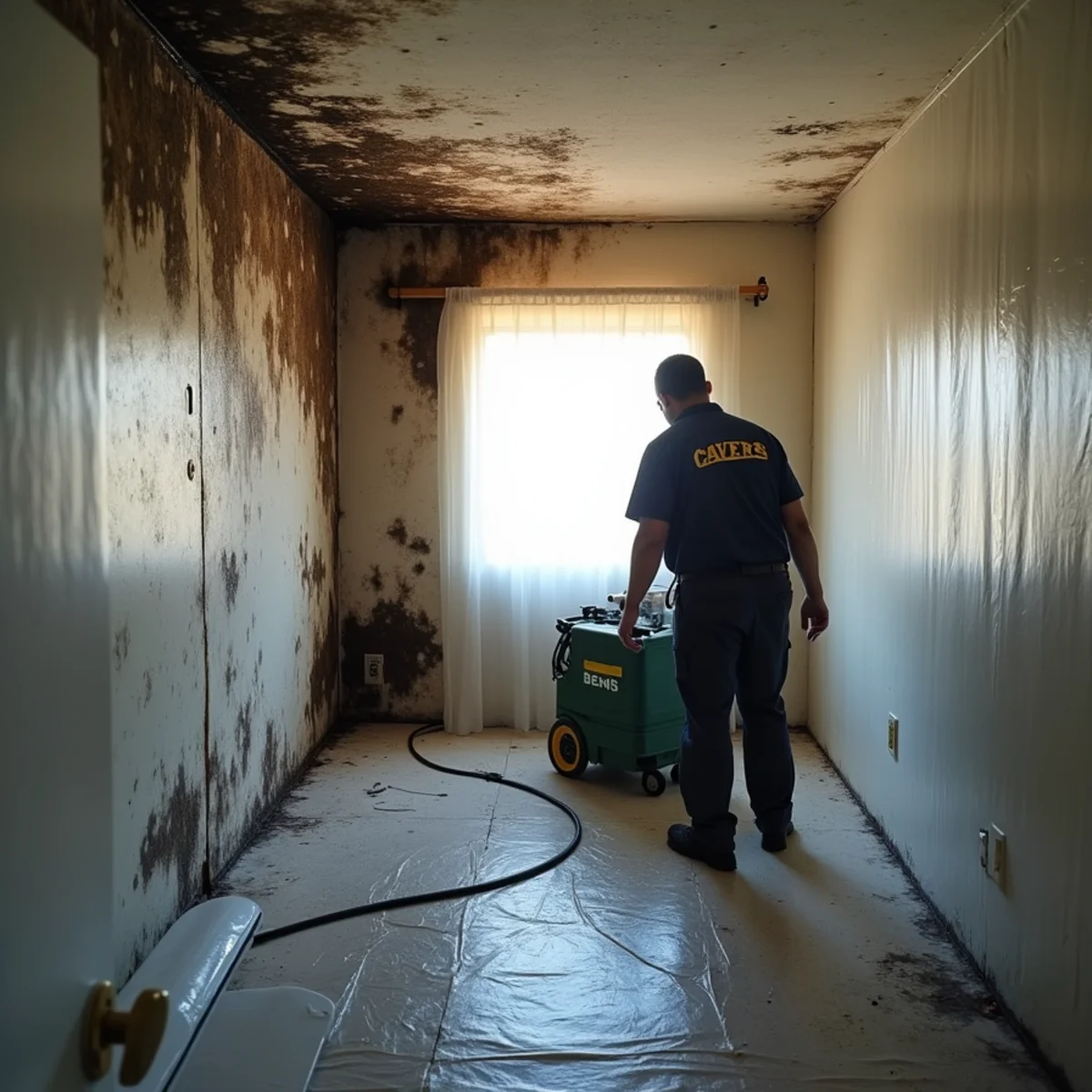
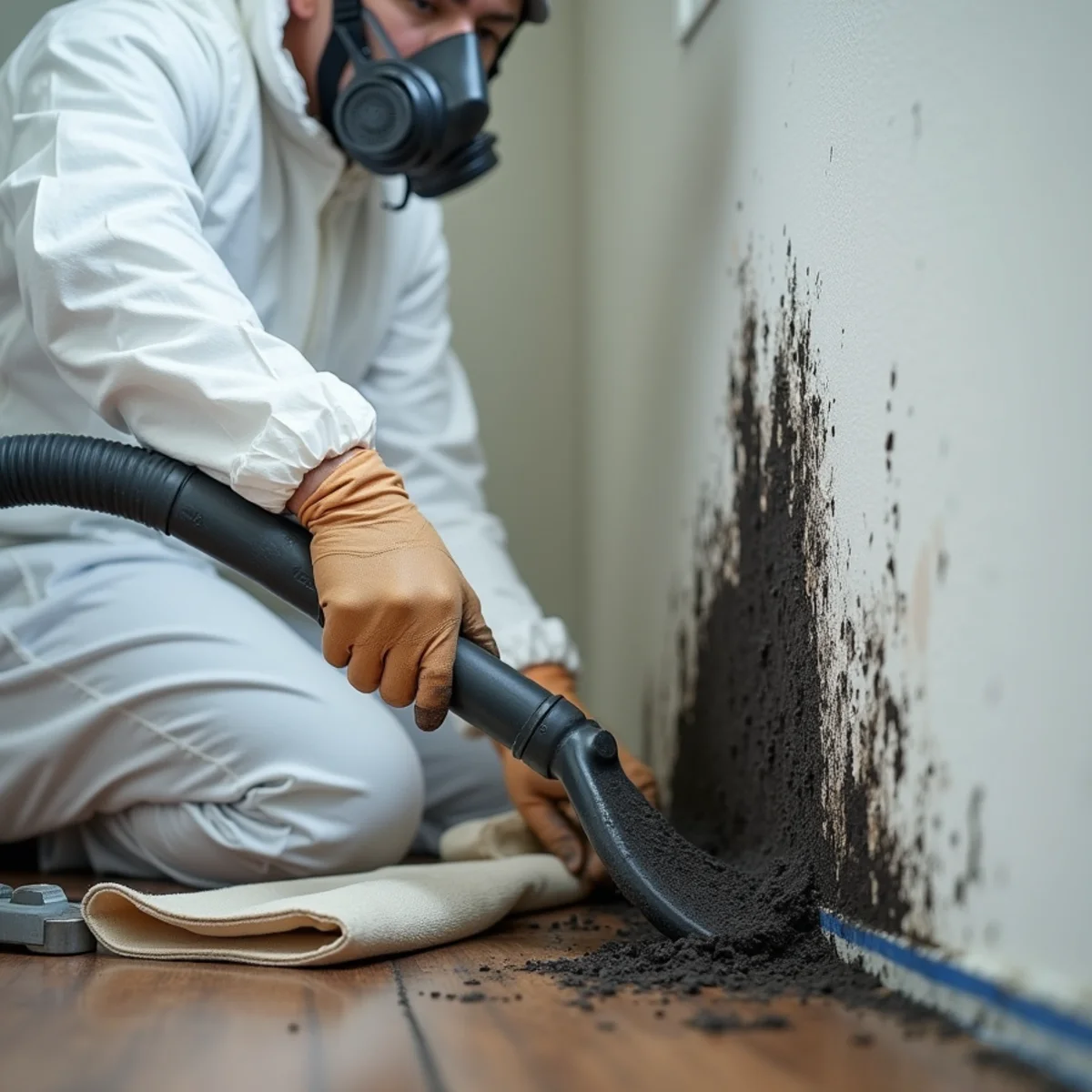
Our work follows the IICRC S500 approach to containment. We seal the affected area with plastic sheeting, put it under negative air pressure so spores cannot drift into clean rooms, and remove porous materials that cannot be salvaged. Everything leaves through a controlled path, not tracked across your living room.
We are IICRC-certified, licensed, and insured, and we are local. When you call our 24/7 line, you reach people who work in Buena Park every week and know how these homes are put together.
Signs You Need Black Mold Removal in Buena Park
Water damage rarely announces itself politely. Here's what tends to signal that it's time to call a professional:
- Dark green or black patches on drywall, grout, framing, or ceiling tiles
- A strong, persistent musty odor even when nothing is visibly wet
- Growth that keeps returning after you wipe or bleach it
- Headaches, congestion, or throat irritation that clears when you leave
- Water staining or a known leak near the affected wall or ceiling
- Peeling paint or wallpaper with fuzzy or slimy discoloration underneath
- Visible mold covering more than a small patch, roughly larger than a paper plate
What's Included in Our Black Mold Removal
Black Mold Removal with us is a complete, done-for-you service — not a partial fix that leaves you chasing other contractors. Here's what a typical job includes:
- Containment barriers with negative air to seal the work zone
- HEPA air scrubbers running throughout the remediation
- Technicians working in full PPE per remediation protocol
- Moldy porous materials removed and bagged for disposal
- HEPA vacuuming and antimicrobial on the remaining surfaces
- Underlying moisture source corrected so mold won't return
- Post-remediation verification before we take down containment
Why This Matters in Buena Park & North OC
Black mold thrives where warm, damp air has nowhere to go, and older Buena Park bathrooms are a classic setup. Many post-war homes here were built without exhaust fans, or with fans that dump into the attic instead of outdoors. Add a slab foundation that stays cool and a shower used every morning, and the drywall behind the tile becomes an ideal host.
The neighborhoods near Coyote Creek and the lower-lying blocks along the northwest edge of the city see more ground moisture during the November-to-March rains. A crawl space or garage wall that wicks water in winter can grow mold that is not discovered until spring. We check these hidden, low, and cool surfaces because that is where our climate pushes it.
In condos and apartments, a large share of local housing, black mold often straddles a shared wall or ceiling between units. We contain and remediate without turning a neighbor's unit into a second job site, and we document the source so the responsible party is clear.
Our Black Mold Removal Process
This is the containment-first process we follow on a black mold job in Buena Park, step by step.
- 1
Emergency Contact & Rapid Assessment
A real person answers your call 24/7 — never a voicemail. We ask a few quick questions to gauge severity, then dispatch a crew immediately. While you wait, we'll walk you through shutting off the water and safely documenting the damage for your insurer.
- 2
Water Extraction
Our technicians arrive with truck-mounted and portable extraction units to pull out standing water fast — the single biggest factor in limiting damage. We move furniture and belongings to dry areas and stop the spread before it reaches new rooms.
- 3
Drying & Dehumidification
We position industrial air movers and dehumidifiers to dry structural materials from the inside out, then monitor moisture daily with professional meters and thermal imaging so hidden dampness behind walls and under floors doesn't turn into mold.
- 4
Cleaning & Sanitizing
Every affected surface is cleaned with antimicrobial and anti-fungal treatments. For gray- and black-water losses we follow strict IICRC S500 containment, PPE, and disposal protocols to keep your home safe.
- 5
Restoration & Reconstruction
Once your property is dry, we repair or replace drywall, flooring, cabinetry, and paint — and put it back the way it was. One company handles the whole job, from the first extraction to the final coat of paint, so you're never juggling three contractors.
Water Damage Categories We Handle
Not all water is equal. During our assessment we classify the loss so it's treated safely and correctly — this also matters for your insurance claim.
| Category | Typical Sources | How We Handle It |
|---|---|---|
| Category 1 — Clean Water | Broken supply line, sink overflow, rainwater | Fast extraction, drying, and sanitizing. Porous materials like carpet and drywall can often be saved if they're dried within 24–48 hours. |
| Category 2 — Gray Water | Washing machine or dishwasher discharge, toilet overflow (urine only) | Extraction, removal of contaminated porous materials, antimicrobial treatment, and enhanced drying. Technicians work in full PPE. |
| Category 3 — Black Water | Sewage backup, floodwater, toilet overflow with solids | Full containment, removal and disposal of all affected porous materials, heavy-duty sanitization, HEPA filtration, and full PPE per IICRC S500. |
What Affects the Cost of Black Mold Removal
We give you a clear, upfront estimate after a free on-site assessment — no guessing, no fake numbers. The final figure depends on factors like:
- The square footage of affected surfaces and how deep the growth has spread
- Whether porous materials like drywall, carpet, or insulation must be removed
- The level of containment and negative-air equipment the space requires
- How much structural drying is needed to correct the underlying moisture
- Access to the source, whether inside a wall, under a slab, or up in the attic
- Post-remediation clearance testing if you or your insurer want verification
- Any reconstruction needed to close the area back up afterward
Because we document everything to insurer standards, most of this is typically handled through your homeowner's claim — and we bill your insurance directly.
Need help right now?
Certified crews on standby, 24/7. We'll be there fast.
Black Mold Removal FAQs
For most healthy adults, exposure causes allergy-type symptoms rather than an emergency, but infants, older adults, and anyone with asthma or a weakened immune system can react more strongly. The honest answer is that it varies by person and exposure. Either way, it should not stay in your home, and it should be removed with proper containment rather than disturbed.
Bleach can lighten the color on a hard surface, which makes the problem look solved while the roots stay alive in porous materials like drywall and wood. Wiping it also releases spores into the air. For a small spot on tile or glass, careful DIY is reasonable. For anything larger, or anything on a porous surface, disturbing it without containment usually spreads it.
We seal the work area with sheeting and run it under negative air pressure using HEPA-filtered machines, so air flows into the containment and out through a filter rather than into your hallways. Materials leave in sealed bags along a set path. That controlled setup is the difference between remediation and simply making a mess move.
Not if the water is gone. We dry the structure to a verified moisture reading and correct whatever let water in, whether the leak, the missing fan, or the failed shower pan. Mold is a symptom of moisture. Remove the moisture and the same surface stays clean; leave it and no amount of cleaning holds.
For a small, contained area, usually not, since we seal the work zone with plastic containment and run negative air so spores do not drift into the rest of the home. For a larger removal, or if anyone in the household has asthma, allergies, or a weakened immune system, staying elsewhere during the active work is the safer choice. We tell you honestly which situation yours is before we start, and we keep pets out of the containment area either way.