Not all water is the same, and not all cleanups end with drying. When the water that entered your home carried sewage, storm runoff, or bacteria, drying it out is not enough. The surfaces it touched need to be cleaned and disinfected before the space is safe to use again. That is the work this service handles.
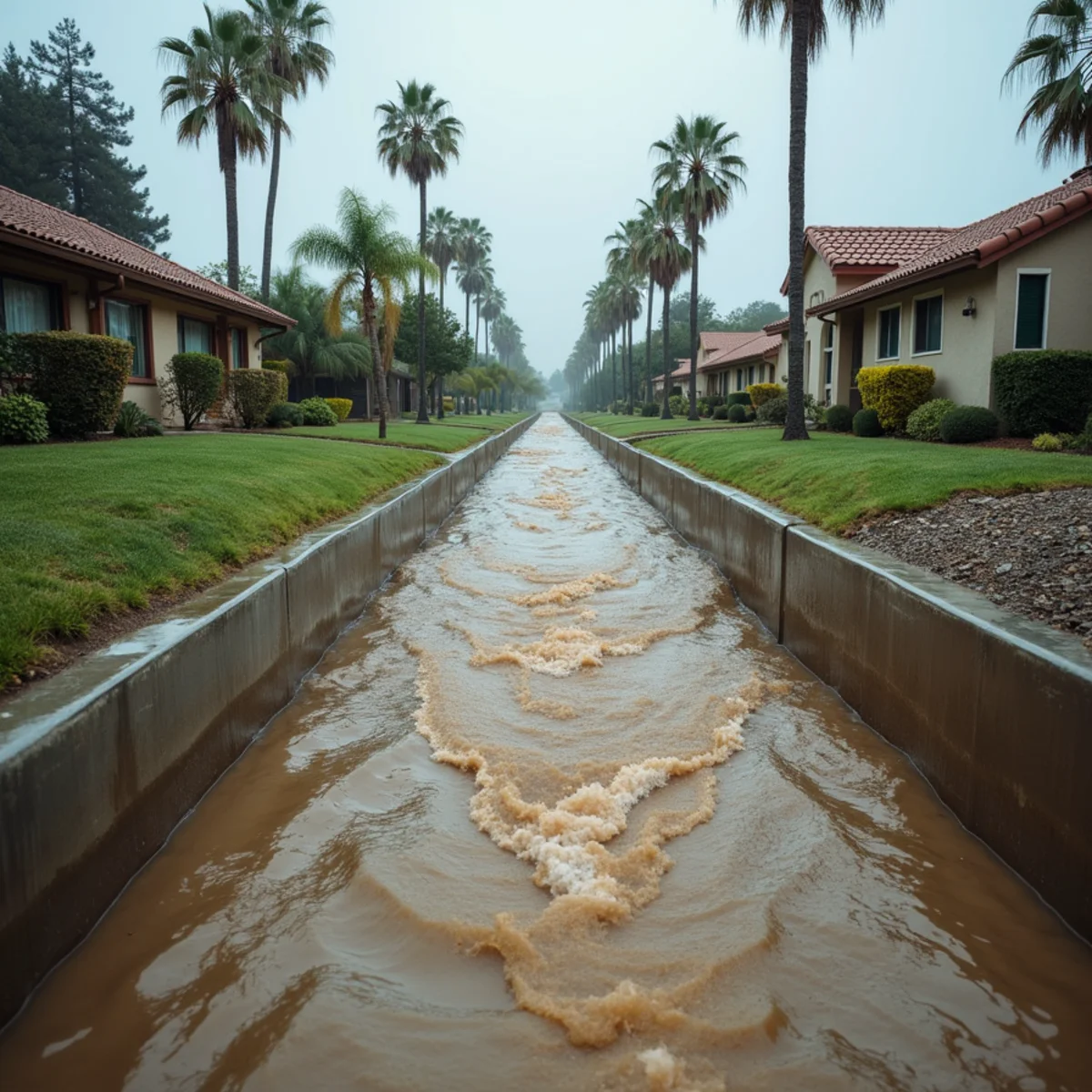
The IICRC S500 standard sorts water into three categories, and the dirtier the water, the more careful the cleanup. Category 3 water, from a sewage backup, a toilet overflow past the trap, or floodwater off the street, can leave behind bacteria and other contaminants long after the puddle is gone. We treat those surfaces so what you cannot see does not stay behind.
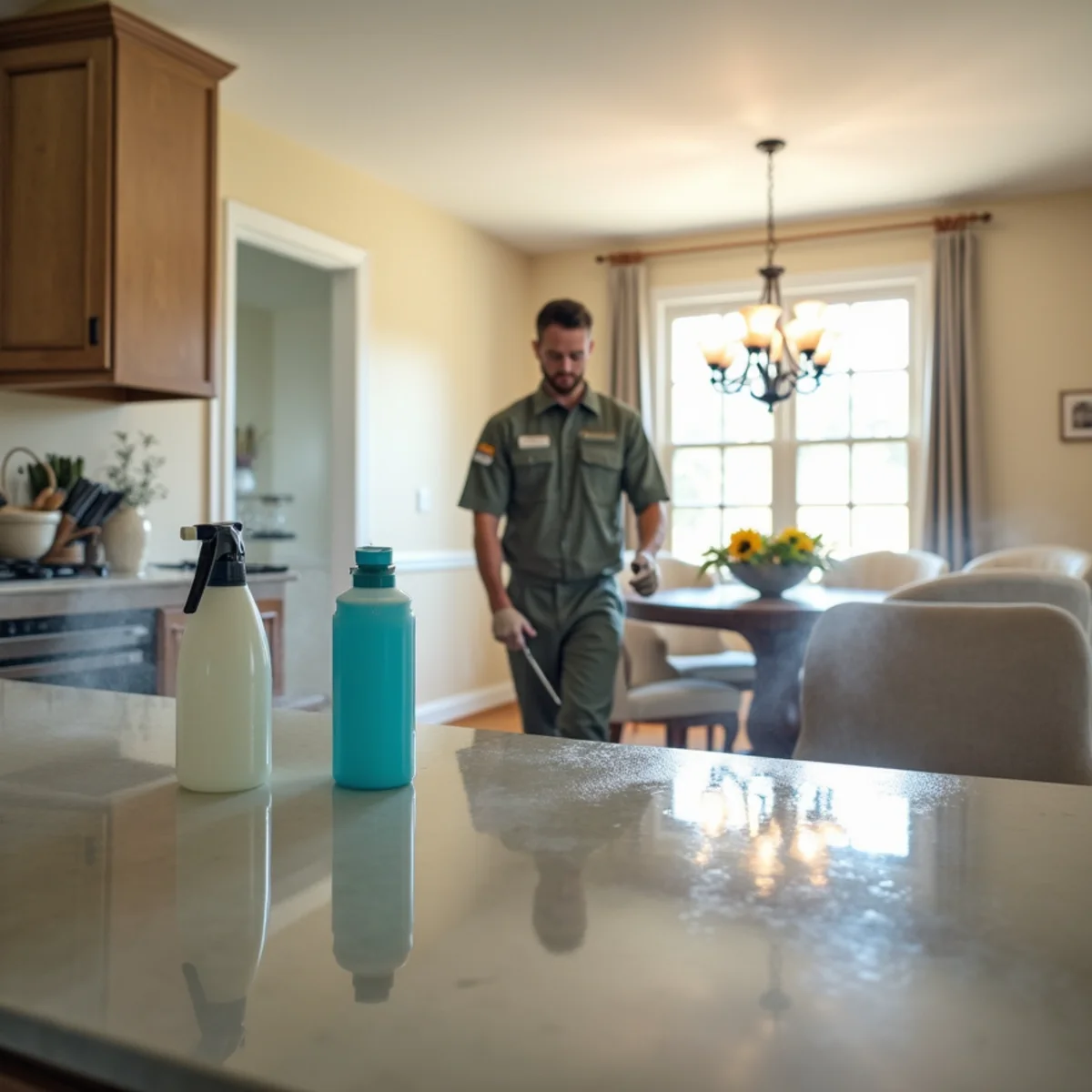
Our process is cleaning first, then disinfecting. Applying an antimicrobial to a dirty surface does not work; the grime shields whatever is underneath. We remove contaminated porous materials, clean the salvageable surfaces, apply EPA-registered disinfectants suited to the contaminant, and confirm the space meets a safe standard before we call it done.
We are IICRC-certified and equipped for the messy end of this trade. If your situation crosses into biohazard territory, we tell you plainly and handle it with the right protection rather than pretending a mop will do.
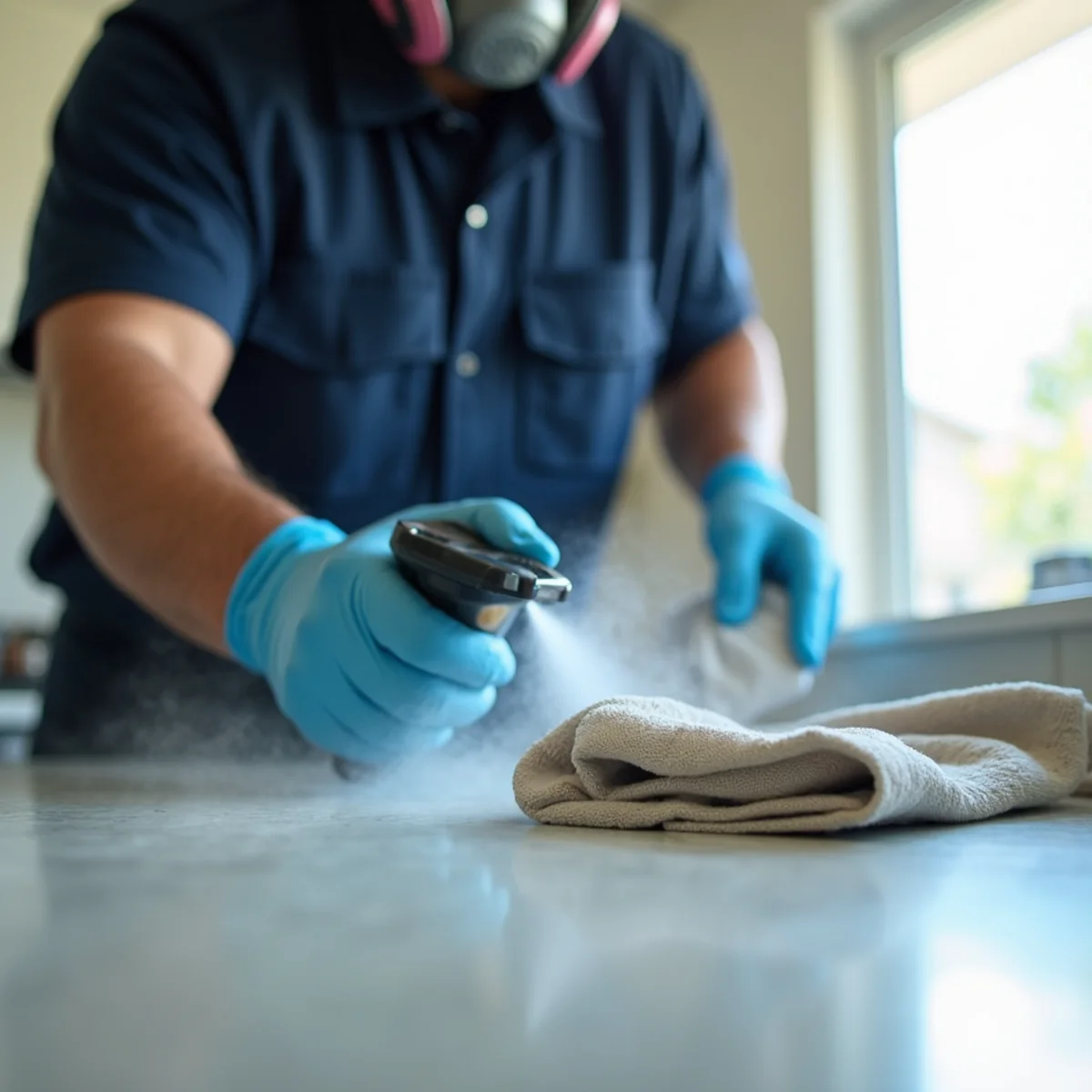
Signs You Need Sanitization & Disinfection in Buena Park
Water damage rarely announces itself politely. Here's what tends to signal that it's time to call a professional:
- Cleanup and disinfection after a sewage backup or toilet overflow
- Treatment of surfaces touched by floodwater or storm runoff
- Removal of contaminated carpet, padding, and porous materials
- Antimicrobial application to framing, subfloor, and hard surfaces
- Disinfection following an appliance line failure with standing water
- Sanitizing after mold remediation to knock down residual spores
- Verification that treated areas meet a safe, usable standard
What's Included in Our Sanitization & Disinfection
Sanitization & Disinfection with us is a complete, done-for-you service — not a partial fix that leaves you chasing other contractors. Here's what a typical job includes:
- EPA-registered antimicrobial applied to all affected surfaces
- Water category assessed to set the right treatment level
- Surfaces cleaned before any disinfectant is applied
- Fogging to reach corners, cavities, and porous materials
- HEPA vacuuming of settled contaminants and debris
- Full PPE and containment for Category 2 and 3 water
- Documentation of the products used for your records
Why This Matters in Buena Park & North OC
Many Buena Park homes sit on slab foundations, which changes how contaminated water behaves. Instead of draining into a basement, sewage or floodwater spreads across the slab and wicks up into baseboards, drywall, and the bottom plates of walls. We treat those low contact points carefully, because that is where contamination hides in a slab-built house.
Our older sewer laterals, the decades-old clay and cast iron under many streets near the Knott's district and the original tracts, are prone to root intrusion and backups. When a lateral fails, the water that comes up is Category 3 from the start. We clean and disinfect rather than just extract, because that water leaves more behind than clear water does.
With roughly a third of local housing being multi-family, a backup or overflow in one unit routinely affects the one below. We disinfect both the source unit and the impacted spaces so residents on both sides return to a properly treated home.
Our Sanitization & Disinfection Process
Here is the clean-then-disinfect sequence we follow so nothing harmful is left behind.
- 1
Emergency Contact & Rapid Assessment
A real person answers your call 24/7 — never a voicemail. We ask a few quick questions to gauge severity, then dispatch a crew immediately. While you wait, we'll walk you through shutting off the water and safely documenting the damage for your insurer.
- 2
Water Extraction
Our technicians arrive with truck-mounted and portable extraction units to pull out standing water fast — the single biggest factor in limiting damage. We move furniture and belongings to dry areas and stop the spread before it reaches new rooms.
- 3
Drying & Dehumidification
We position industrial air movers and dehumidifiers to dry structural materials from the inside out, then monitor moisture daily with professional meters and thermal imaging so hidden dampness behind walls and under floors doesn't turn into mold.
- 4
Cleaning & Sanitizing
Every affected surface is cleaned with antimicrobial and anti-fungal treatments. For gray- and black-water losses we follow strict IICRC S500 containment, PPE, and disposal protocols to keep your home safe.
- 5
Restoration & Reconstruction
Once your property is dry, we repair or replace drywall, flooring, cabinetry, and paint — and put it back the way it was. One company handles the whole job, from the first extraction to the final coat of paint, so you're never juggling three contractors.
What Affects the Cost of Sanitization & Disinfection
We give you a clear, upfront estimate after a free on-site assessment — no guessing, no fake numbers. The final figure depends on factors like:
- The category and source of the water, whether clean, gray, or sewage
- The affected square footage and number of rooms or units
- How much contaminated porous material must be removed and disposed of
- The type of disinfectant required for the specific contaminant
- Whether the job involves biohazard-level handling and disposal
- Access and containment needed to keep contamination from spreading
- Any verification or clearance step you or your insurer request
Because we document everything to insurer standards, most of this is typically handled through your homeowner's claim — and we bill your insurance directly.
Need help right now?
Certified crews on standby, 24/7. We'll be there fast.
Sanitization & Disinfection FAQs
For clean water, often yes. For water that carried sewage or came off the street, no. Those sources leave bacteria and contaminants on every surface they touched, and drying only removes the moisture, not the microbes. Sanitization is what actually makes a Category 3 loss safe to live in again.
Cleaning removes visible dirt and organic matter; disinfecting kills microorganisms. They are two steps, not one, and the order matters. Disinfectant applied over grime is largely wasted because the soil protects what is under it. We clean the surface first so the disinfectant can actually reach and kill the contamination.
Porous materials that soaked up contaminated water usually cannot be disinfected reliably, so carpet padding, saturated drywall, and similar items typically come out. Hard, non-porous surfaces and structural framing can often be cleaned and treated in place. We save what can be safely saved and remove only what genuinely has to go.
We follow a defined process for the contaminant, document what was cleaned and treated, and can arrange verification testing when a situation warrants it or an insurer asks. For most residential jobs, the combination of material removal, proper cleaning, and correct product application is what meets the standard, and we walk you through exactly what we did.
It changes everything about how we treat the space. The IICRC S500 standard sorts water into three categories: clean supply water, gray water from appliances, and black water from sewage or flooding, and each one raises the level of cleaning and how much porous material has to go. A clean-water loss may just need drying and a wipe-down; a sewage backup means removing contaminated drywall and carpet, then disinfecting the structure. We identify the category first so nothing contaminated gets dried in place and sealed up.