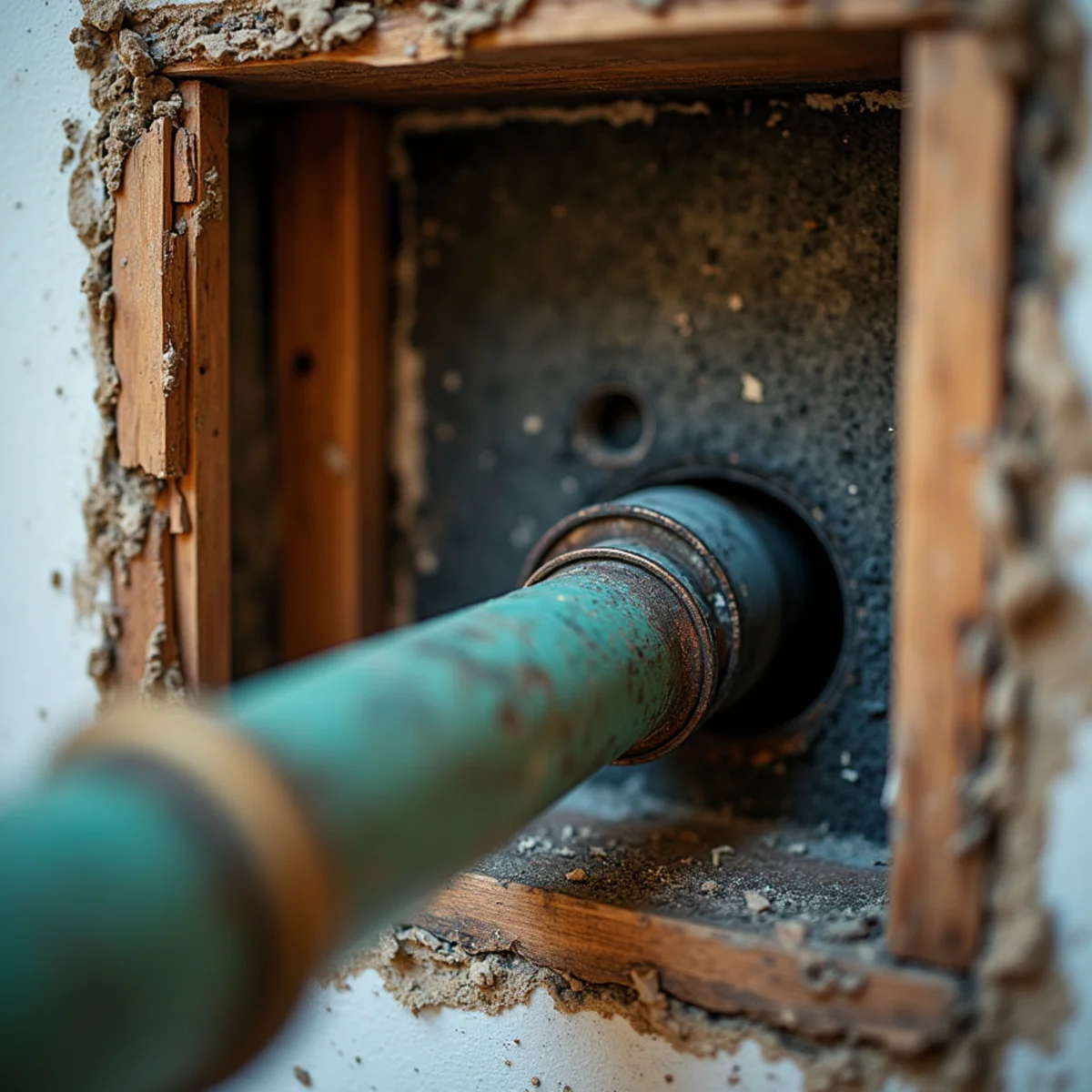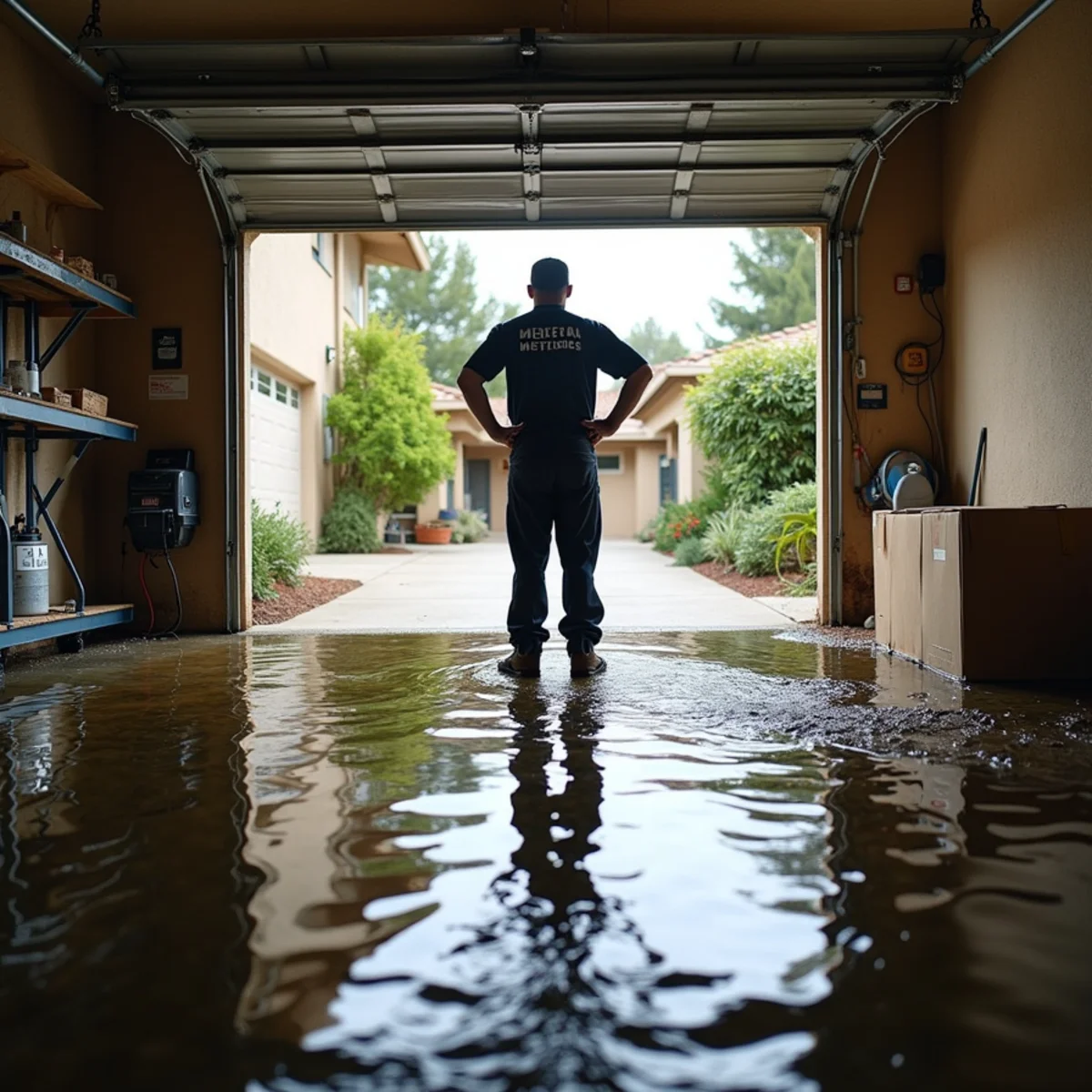
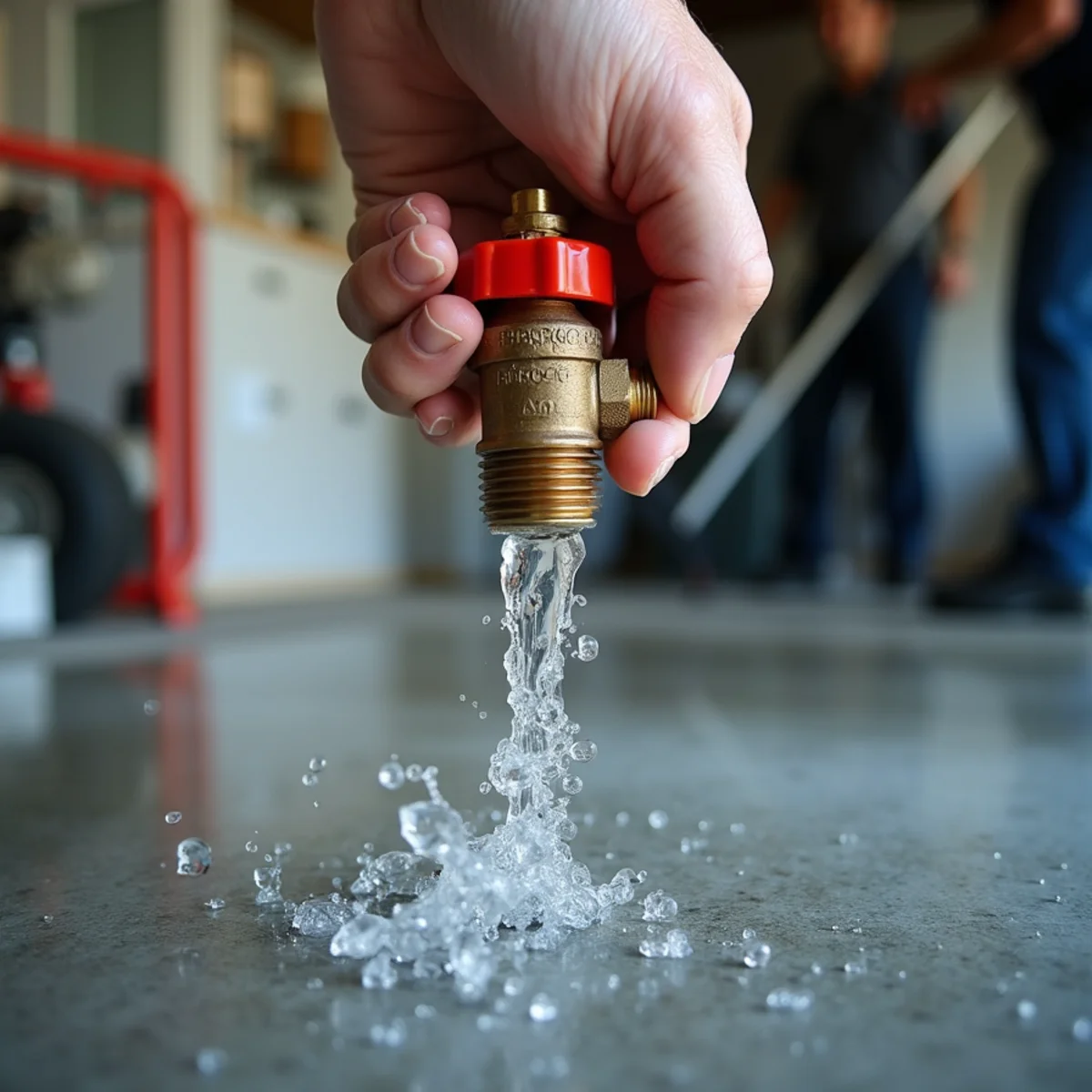
A burst pipe is loud, fast, and frightening. One minute everything is fine, the next there's water hammering out of a wall or under a cabinet and pooling across the floor. A half-inch supply line can push out hundreds of gallons an hour, so the difference between a scare and a disaster comes down to how quickly you act.
The good news is that the most important step costs nothing and takes about a minute, once you know where to go. We respond to burst pipes across Buena Park constantly, and the homes that fare best are the ones where someone knew how to kill the water before we ever pulled up.
Here are seven steps to work through while our crew is on the way. Do them in order, and don't let the mess distract you from the ones that actually stop the damage. When you're ready for burst pipe cleanup, we'll take it from there.
Step 1: Shut Off Your Main Water Valve
Everything else is secondary to this. Find your main shutoff and close it. In most Buena Park homes it sits in one of a few spots: near the front hose bib, inside the garage, or at the water meter box near the curb. Turn the valve clockwise, or if it's a lever, turn it a quarter-turn until it's crosswise to the pipe.
If you've never located your main shutoff, go find it today, before you ever need it. Knowing where it is turns a five-minute flood into a thirty-second one. Tell everyone in the house where it is too.
Step 2: Open Faucets to Drain the Lines
Once the main is off, open the cold taps on the lowest level of your home and flush a toilet or two. This drains the water still sitting in your pipes so it stops feeding the leak. It also relieves pressure in the system, which reduces the chance of a second pipe letting go.
You'll hear the flow at the burst slow to a trickle and then stop as the lines empty. That's the sound of the emergency winding down.
Step 3: Cut the Power if Water Is Near Electrical
If water has reached outlets, light fixtures, or your electrical panel, treat it as dangerous. If you can get to your breaker box without stepping in water, shut off power to the affected area. If reaching the panel means wading through standing water, stop, stay out, and call your utility or an electrician.
Never mix electricity and standing water to save a rug or a laptop. Nothing in the room is worth the risk.
Step 4: Document the Burst and the Damage
Before you mop up anything, get your phone out. Photograph and film the burst pipe itself, the water on the floor, soaked walls and baseboards, and any belongings taking on damage. Capture the water line on the walls and any warping you can already see.
This footage is the foundation of your insurance claim. If sorting out the claim feels like more than you can handle right now, help with your water damage insurance claim is part of what we do, and thorough documentation from the first minute makes the whole process faster.
Step 5: Start Moving Water and Belongings
With the source stopped and the scene documented, begin removing water and rescuing what you can.
- Mop, towel, or shop-vac standing water, starting from the edges of the room and working in.
- Carry electronics, documents, photos, and valuables to a dry area.
- Lift furniture onto blocks or foil so the legs don't stain the floor or wick moisture upward.
- Pull up area rugs and hang them to drain.
- Open cabinets, closets, and drawers near the leak so trapped air can start to dry.
Work fast but don't hurt yourself. Wet floors are slick, and cardboard boxes fall apart when they're soaked.
Step 6: Get Air Moving
Set up fans aimed across the wet floors and walls, and open windows if the outdoor air is dry, which it usually is here outside the winter rains. Run the air conditioning a little cooler to help pull moisture out of the air.
This is triage, not a cure. It slows the spread of moisture and buys time against mold, but the structure itself needs commercial drying equipment to reach the moisture hiding inside walls and under slab flooring. Older copper systems in North Orange County often spring more than one leak, so if you've had pinhole leaks before, mention that when you call, because it changes how we inspect.
Step 7: Call for Professional Extraction and Drying
The last step is the one that actually saves your home. A burst pipe soaks materials you can't see into, and drywall, insulation, and subfloor hold water long after the surface feels dry. Left alone, that hidden moisture becomes mold within a day or two and structural rot over weeks.
We serve Buena Park and neighbors like La Habra, and we bring truck-mounted extractors, air movers, dehumidifiers, and thermal imaging to find and remove every bit of that moisture. We're IICRC-certified, licensed and insured, and we answer our 24/7 line with a roughly 60-minute response target. If a pipe just burst, get the water off, then call us at (201) 277-9344 and we'll handle the rest.
Frequently Asked Questions
A standard half-inch supply line can push out hundreds of gallons per hour under normal household pressure. That's why shutting off your main water valve within the first minute or two makes such a dramatic difference in how much damage you end up with.
Freezing is rare here, so most burst pipes in North Orange County come from age and corrosion. Many homes still have original copper plumbing that develops pinhole leaks and weak spots over decades, and hard water speeds that wear. A weakened section can finally give way under normal pressure.
Not until the burst section is repaired. Leave the main off and call a plumber to fix the pipe, and a restoration company to dry the damage. Turning the water back on before the repair just restarts the flood.
Typically 24 to 48 hours in the damp conditions a burst pipe creates. Fast extraction and professional drying within that window are the best way to avoid a mold problem on top of the water damage.
Dealing with water damage right now?
Water Damage Buena Park responds 24/7 across Buena Park & North OC.