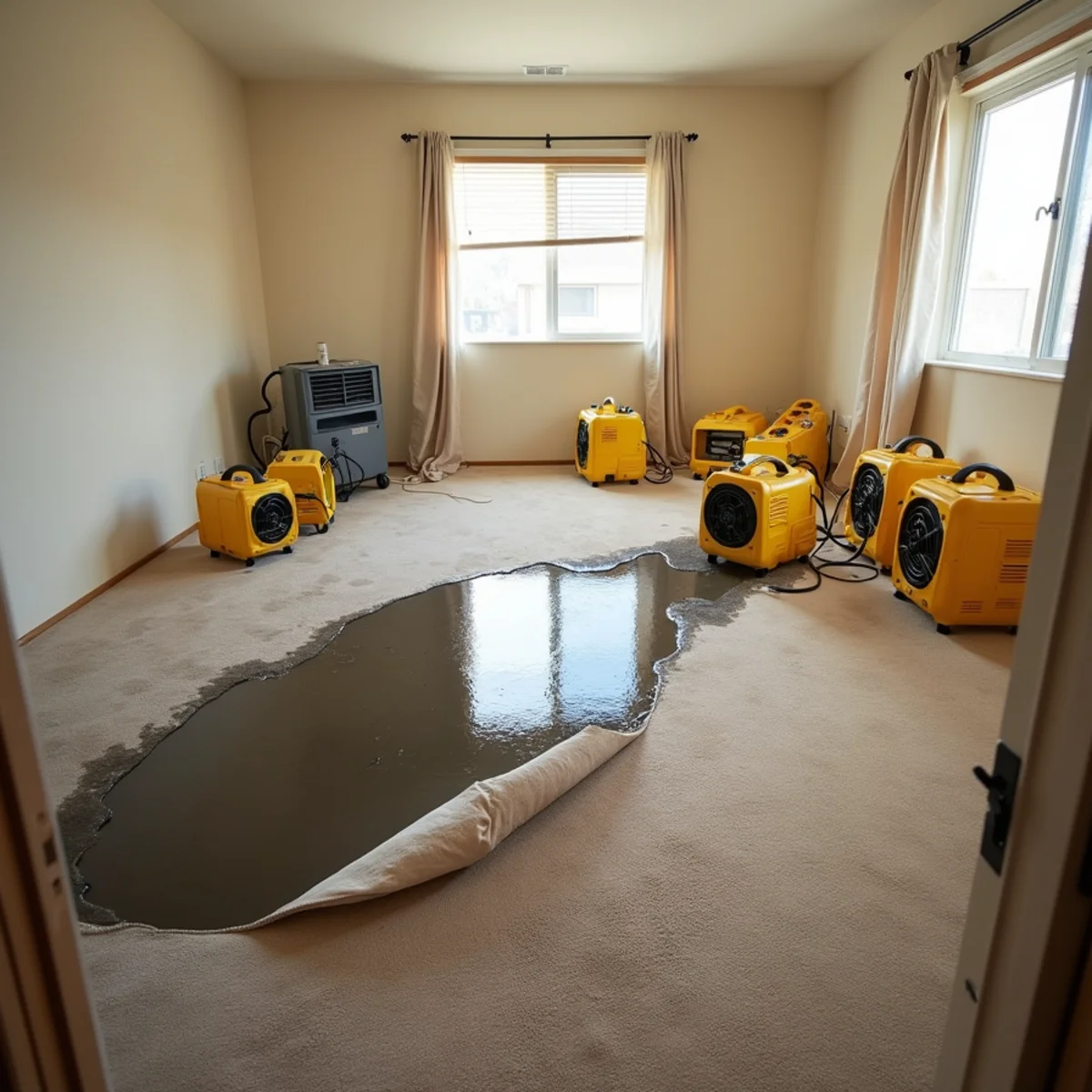
A pipe let go under the kitchen sink overnight, or the water heater in the garage finally gave out, and now the carpet in your Buena Park living room squishes when you step on it. The question almost everyone asks first is the practical one: do we have to tear it out, or can this carpet actually be saved?
The honest answer is that it depends on two things more than anything else. What kind of water soaked it, and how long it sat wet before drying started. Get those two right and a lot of carpet is salvageable. Miss the window, and you are usually paying to dry something that was going to be replaced anyway.
It Comes Down to Water Category and Time
Restoration pros sort water into three categories, and the category largely decides whether the carpet has a future.
- Category 1 (clean water): a supply line, a water heater, a toilet tank (not the bowl). This water starts out sanitary, and carpet soaked by it is often savable if drying begins quickly.
- Category 2 (gray water): washing machine discharge, dishwasher overflow, or clean water that has sat long enough to grow bacteria. The carpet is sometimes salvageable, but the pad underneath usually is not.
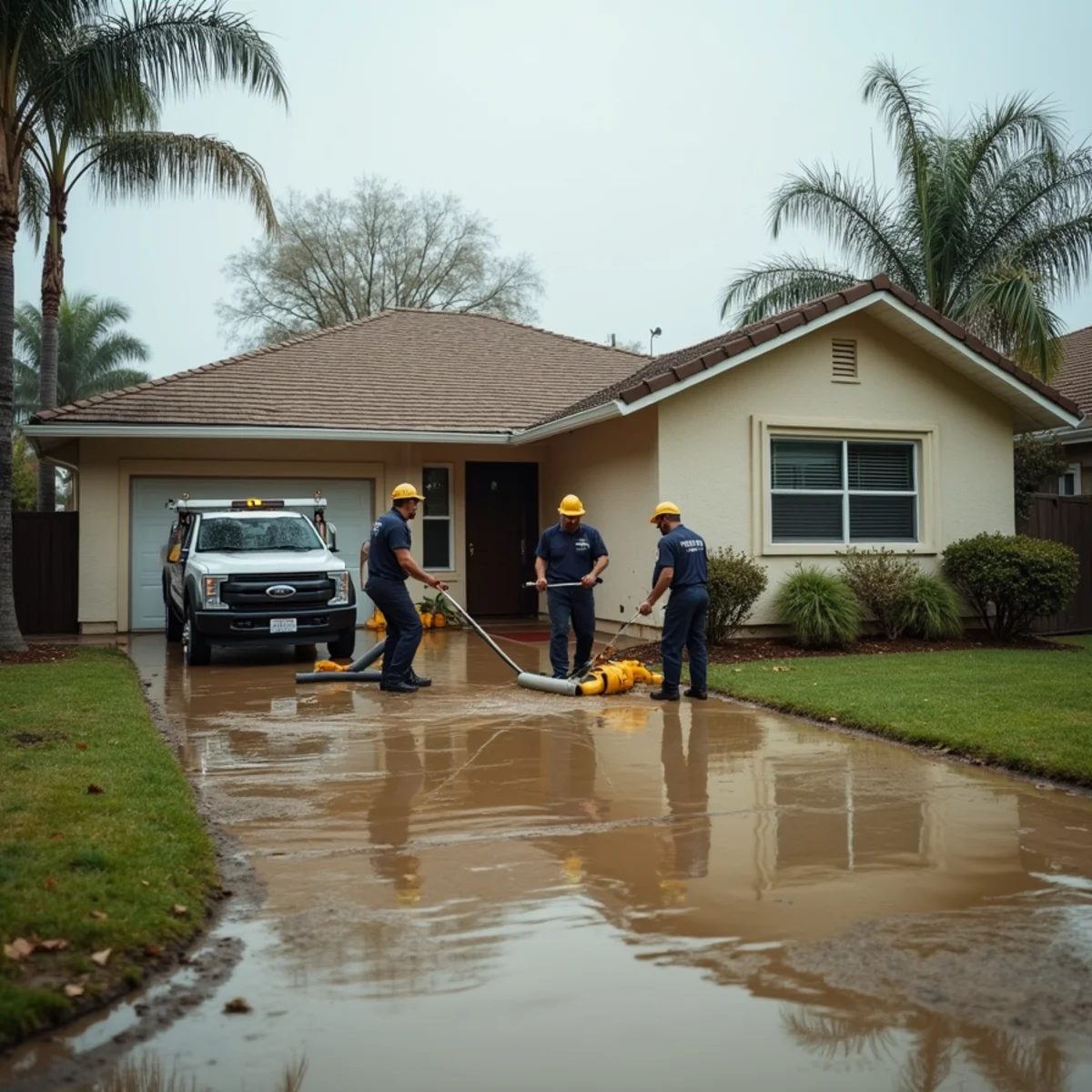
- Category 3 (black water): sewage backup, a toilet overflow past the trap, or flooding from outside. This water carries contaminants, and both the carpet and pad almost always have to be removed and thrown away.
Time is the second lever. Clean water does not stay clean. Sitting wet, Category 1 water slides toward Category 2 within a day or two, which is why a fast response changes what can be saved.
The Carpet and the Pad Are Two Different Decisions
Homeowners tend to think of carpet as one thing. It is really two: the carpet itself, and the padding laid underneath it.
The pad is a sponge. It is inexpensive, it holds an enormous amount of water, and once it is saturated it dries slowly and unevenly. In most water losses the pad comes out, gets thrown away, and gets replaced with new pad. Trying to save soaked pad is rarely worth the cost or the risk.
The carpet itself is the more valuable layer and the one worth fighting for. If it is clean water and drying starts fast, the carpet can usually be floated, dried, re-laid over fresh pad, and re-stretched. That is the typical path for a savable carpet.
So when you hear "the carpet is probably fine, but the pad has to go," that is not a sales pitch. It is usually the correct and most economical call. Professional carpet water damage drying is built around exactly that split.
The 24-48 Hour Window: Mold and Delamination
There is a reason restoration companies push to be on site fast. Two clocks start ticking the moment carpet gets wet.
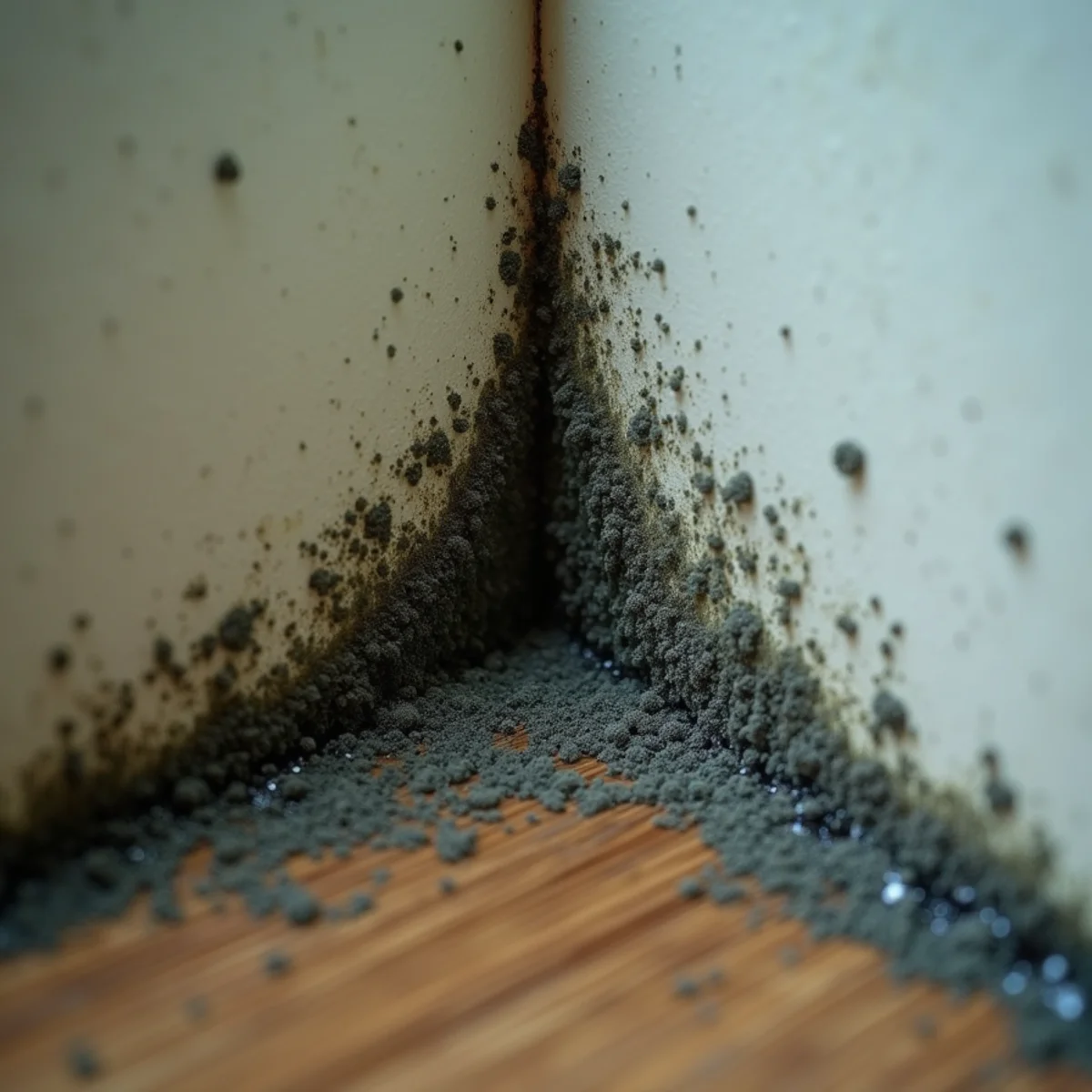
The first is mold. Given moisture, warmth, and the dust and organic material already in a carpet, mold can begin growing in roughly 24 to 48 hours. Once it takes hold in the pad or the carpet backing, drying alone will not fix it. For the full timeline, see how fast mold grows.
The second is delamination. Carpet is built in layers, and the backing is glued together. Leave it wet too long and those layers separate, a failure called delamination. You feel it as a loose, rippling, almost bubbly texture underfoot. Delaminated carpet cannot be restored; it has to be replaced.
Shrinkage is the related problem. As wet carpet dries, older carpet especially, it can pull in at the edges and no longer reach the tack strip. That is why re-stretching is often part of a proper dry-out, not an upsell.
Why a Shop Vac and a Box Fan Usually Are Not Enough
The instinct to grab the shop vac and point a box fan at the wet spot is a good one. It is just not enough for anything past a minor spill.
A shop vac pulls the standing water you can see. It does not pull the water bound deep in the pad and wicked into the backing, and a household box fan moves room air without actually lowering the moisture in the materials. What you get is a carpet that feels dry on top while the pad and subfloor underneath stay damp for days.
That hidden moisture is exactly what mold needs. Plenty of the jobs that turn into mold remediation started as a wet carpet someone thought they had dried with a fan over the weekend.
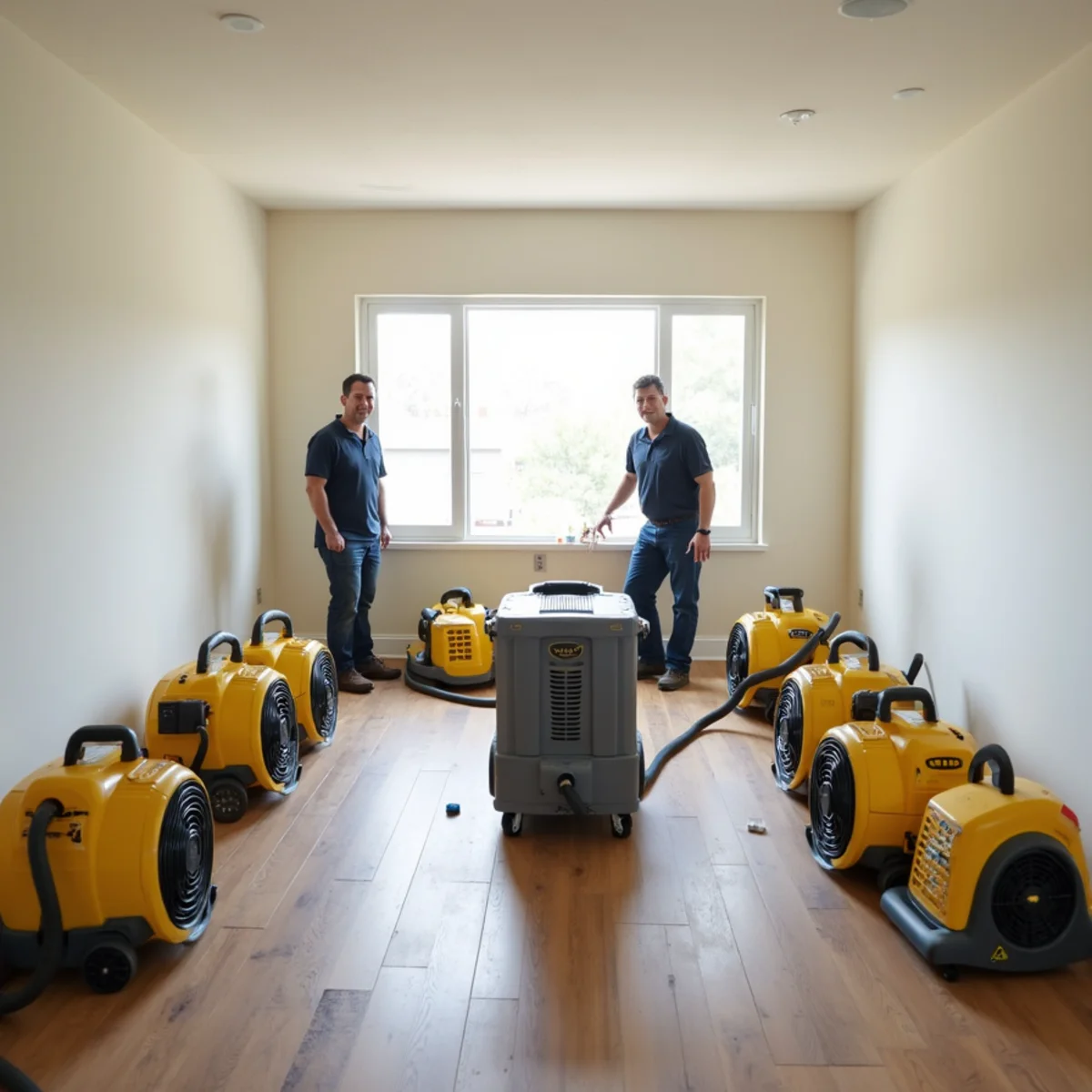
Real drying uses truck-rated extraction to pull water from the pad, then commercial air movers and dehumidifiers that measurably drop the moisture content of the materials. That combination of water extraction and controlled drying is what actually keeps carpet savable.
The Floor Underneath Has to Dry Too
Most homes in Buena Park and across North Orange County sit on concrete slabs. That matters here, because water does not stop at the carpet.
When carpet soaks through, water reaches the pad, the pad releases it onto the slab, and the slab holds that moisture and feeds it right back up into anything laid on top. Dry the carpet but leave a damp slab, and you have a carpet that re-wets from below and a ready-made environment for mold at the floor line.
Water also wicks sideways. It travels under the carpet and under baseboards into rooms and closets that never looked wet, which is why the damaged area is almost always bigger than the visible stain. Proper structural drying treats the slab, the baseboards, and the wall base as part of the job, not just the carpet you can see.
An Honest Save-vs-Replace Rule of Thumb
No rule covers every situation, but this is a fair starting point for a homeowner.
- Lean toward saving: clean water, drying started within about 24 hours, newer carpet in good shape, no sewage involved. Replace the pad, dry the carpet and slab, re-stretch.
- Lean toward replacing: Category 3 (black or sewage) water, carpet that sat wet more than about 48 hours, visible delamination or a musty smell, or carpet that was already old and worn.
- Not sure either way: a moisture meter settles it in minutes. A reading, not a guess, should make the call.
There is also the insurance side. A documented professional dry-out with moisture logs is far easier to bill than a DIY attempt that failed and grew mold later. Many losses like this are covered, and direct insurance billing keeps the paperwork off your plate.
When to Call Fast
The window is short, so the move is to call before you spend the weekend experimenting with fans.
Water Damage Buena Park is locally owned, licensed and insured, and carries IICRC training (WRT and ASD) following the S500 standard for water restoration. We serve Buena Park, North Orange County, and nearby Cerritos in SE Los Angeles County.
If your carpet is wet right now, the fastest way to know whether it can be saved is to have it measured and extracted before the 24 to 48 hour clock runs out.
Call (201) 277-9344 for a fast assessment. We answer 24/7 and aim to be at your door in about 60 minutes to start drying while your carpet still has a chance.
Frequently Asked Questions
Roughly 24 to 48 hours is the danger zone. Clean water that is extracted and dried within about a day is often savable. Past 48 hours wet, mold growth and delamination become likely, and replacement is usually the safer call.
Almost never. The pad is inexpensive, holds a lot of water, and dries slowly and unevenly. In most water losses the pad is removed and replaced while the carpet above it is dried and re-laid. Saving soaked pad rarely pays off.
Not necessarily. Carpet can feel dry at the surface while the pad and the slab underneath stay wet for days. The only reliable way to know is a moisture meter reading of the materials, not a hand on the carpet.
No. Sewage is Category 3 (black) water and carries contaminants that cannot be safely removed from carpet and pad. Both have to be removed and disposed of, and the area is cleaned and sanitized before new flooring goes down.
It will not automatically void a claim, but a failed DIY dry-out that later grows mold is much harder to document and bill. A professional dry-out with moisture logs gives your insurer clear records, and direct insurance billing is available.
Dealing with water damage right now?
Water Damage Buena Park responds 24/7 across Buena Park & North OC.