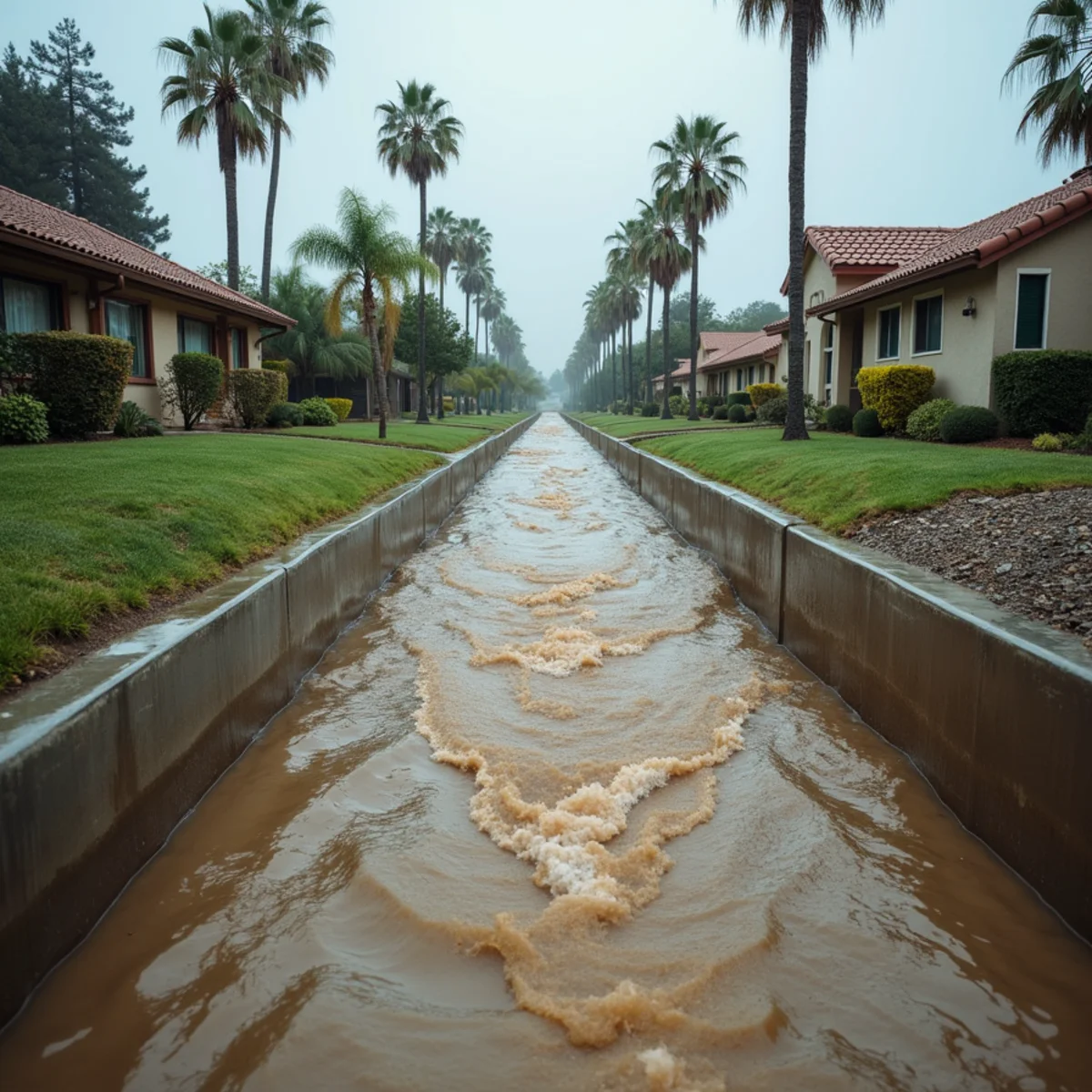
Coyote Creek runs quietly along the northwestern edge of Buena Park, tracing the border with Cerritos and La Mirada. For most of the year it barely registers. Then a strong winter storm arrives, the channel fills fast, and homeowners in the surrounding neighborhoods start paying close attention.
Living near a flood-control channel is not a reason to worry every time it rains. Most of the time these channels do exactly their job. But it is a good reason to understand your risk, prepare before the season, and know what to do if storm water ever reaches your home.
This local guide covers how Coyote Creek behaves in a big storm, who is most exposed along the Buena Park and Cerritos line, how to get ready, and the right first moves if flooding does happen. The families most affected are our neighbors, and this is the information we wish everyone had before the first heavy rain.
How Coyote Creek Behaves in a Storm
Coyote Creek is part of the regional flood-control system that drains a large area of North Orange County and southeast Los Angeles County. During dry months it carries little water. During a heavy, sustained storm, runoff from streets, roofs, and paved surfaces upstream funnels into the channel all at once.
That is the key thing to understand. The risk is not a slow rise over days. It is a fast surge during and right after intense rain, when the channel can fill far quicker than people expect. Back-to-back storms are especially demanding, because the ground is already saturated and has nowhere to put the next round of water.
When the volume exceeds what the channel and local storm drains can carry, water backs up into low-lying streets and yards. That is when nearby homes see trouble, often from street flooding and drainage backup rather than the creek itself cresting its banks.
Who Is Most Exposed Along the Buena Park-Cerritos Line
Proximity to the channel matters, but so does elevation and drainage. Some properties near the creek sit high and drain well, while others farther away collect water because of how the streets and lots slope.
- Homes in low-lying pockets where water naturally pools during heavy rain.
- Properties on slab foundations, common in our tract neighborhoods, where even a few inches of intruding water spreads across the floor quickly.
- Streets and cul-de-sacs where storm drains can be overwhelmed or blocked by debris.
- Garages and ground-floor rooms that sit slightly below the surrounding grade.
If you are unsure of your situation, your address can be checked against FEMA flood maps and local flood-control resources. Knowing whether you sit in or near a mapped flood zone shapes how much preparation makes sense and whether flood insurance is worth carrying.
Before the Season: How to Prepare
The work that protects a home near Coyote Creek happens on dry, sunny days, well before any storm is in the forecast. A little preparation goes a long way when the channel is running high.
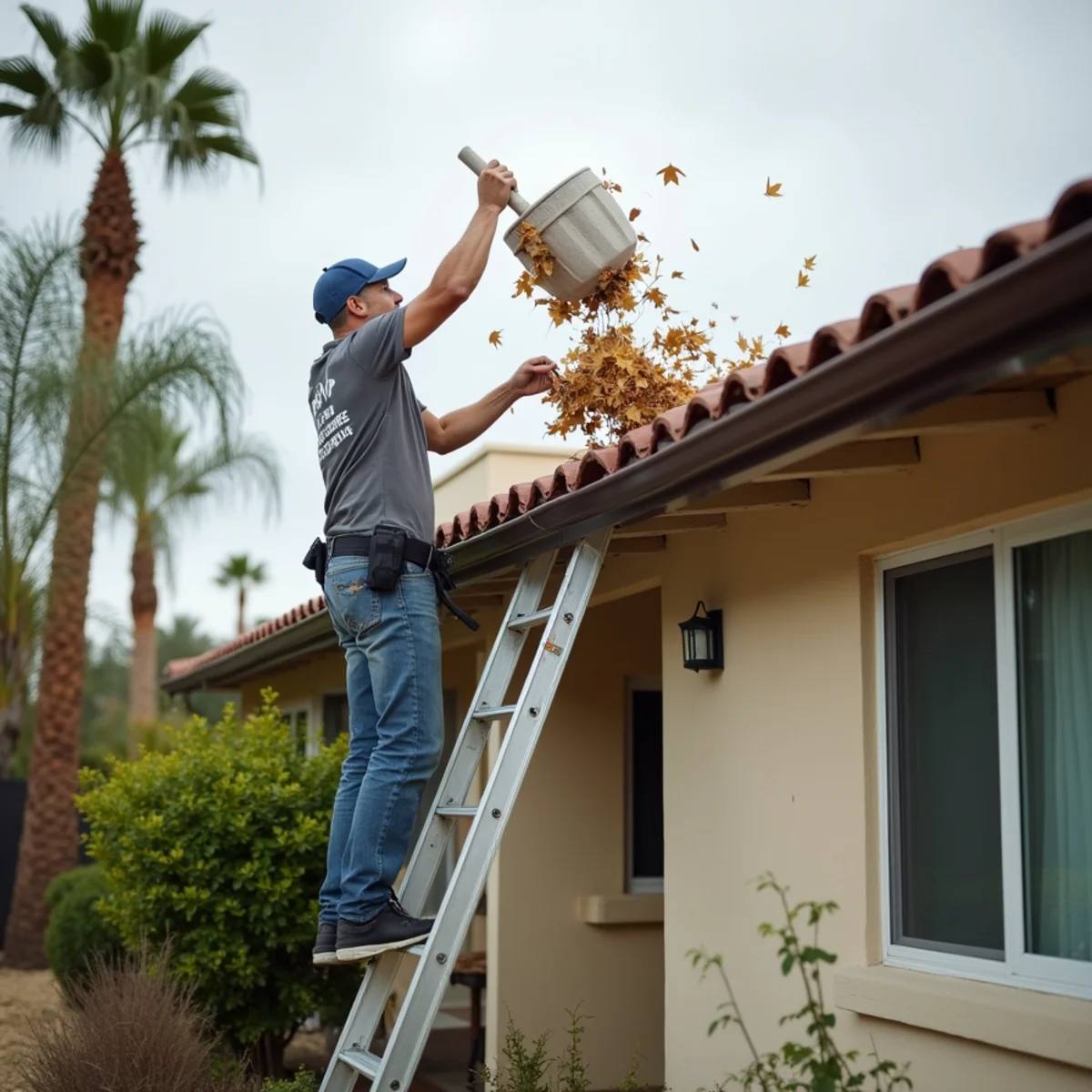
- Clear gutters, downspouts, and any yard or area drains so water moves away from the house.
- Check that the ground slopes away from your foundation and fix low spots that trap water.
- Keep sandbags or reusable flood barriers on hand if you are in a low or flood-prone area.
- Move valuables, documents, and electronics off garage and ground floors, or store them elevated and sealed.
- Confirm your insurance coverage, since standard homeowners policies typically do not cover flood, and know what your policy asks you to document.
Our seasonal prevention checklist walks through the rest of the home, but for creek-adjacent properties, drainage and elevation deserve the most attention.
During the Storm: Stay Safe First
When a major storm is actively flooding, safety comes before property, every time. Water damage can be repaired. The risks that come with moving water cannot be undone.
- Never drive or walk through flooded roadways. Even shallow moving water is stronger than it looks.
- Stay away from the channel itself. Flood-control channels move fast and are extremely dangerous during storms.
- If water is entering your home and it is safe to do so, shut off electricity to affected areas at the breaker.
- If flooding is severe or rising, get to higher ground and follow any guidance from local authorities.
Property protection matters, but it always waits until people are safe. Once the immediate danger passes, the cleanup can begin.
If Water Gets In: The First 24 Hours
Storm flooding is a race against time. The longer water sits, the deeper it soaks into the structure and the sooner mold begins, often within 24 to 48 hours. Quick, decisive action makes an enormous difference.
- Document everything with photos and video before you move or remove anything, for your insurance claim.
- Remove standing water and wet contents if it is safe, but treat flood water as contaminated and wear protection.
- Get air moving and start drying, though a household fan only scratches the surface of what saturated materials need.
- Call a professional restoration crew quickly, because proper extraction and structural drying are what actually prevent long-term damage.
This is where our team goes to work. Our flood damage cleanup crews use truck-mounted extractors, commercial air movers, and dehumidifiers to dry a home to a documented standard, and our emergency flood response line runs 24/7 with a 60-minute response target across the area.
Insurance and the Flood Coverage Gap
Here is a hard fact many homeowners learn at the worst possible moment: a standard homeowners policy usually does not cover flooding from an outside source like an overflowing creek or storm drain. That coverage typically comes from a separate flood policy.
The distinction matters. Water that enters from a burst pipe inside your home is often covered, while the same amount of water arriving from a storm surge outside may not be. If you live near Coyote Creek, it is worth confirming exactly what your policy does and does not cover before a storm, not after.
Whatever your coverage, thorough documentation strengthens any claim. We can provide detailed drying logs, moisture readings, and photo documentation, and our insurance claims assistance helps homeowners across Cerritos and La Mirada work through the process while we handle the restoration.
Frequently Asked Questions
It depends on your elevation and drainage, not just distance from the channel. Some nearby homes drain well, while lower-lying properties collect water during heavy rain. Checking your address against FEMA flood maps gives you a clearer picture of your specific risk.
Usually not. Standard homeowners policies typically exclude flooding from an outside source such as an overflowing creek or storm drain. That protection normally requires a separate flood insurance policy, which is worth considering if you live in a flood-prone area.
Make sure people are safe and shut off power to affected areas if you can do so safely. Then document the damage with photos, treat the water as contaminated, and call a professional restoration crew quickly to extract and dry before mold begins.
Mold can begin growing within 24 to 48 hours of materials getting wet. Storm flooding often soaks deep into walls, flooring, and slabs, so fast professional extraction and structural drying are the best defense against long-term mold problems.
Dealing with water damage right now?
Water Damage Buena Park responds 24/7 across Buena Park & North OC.