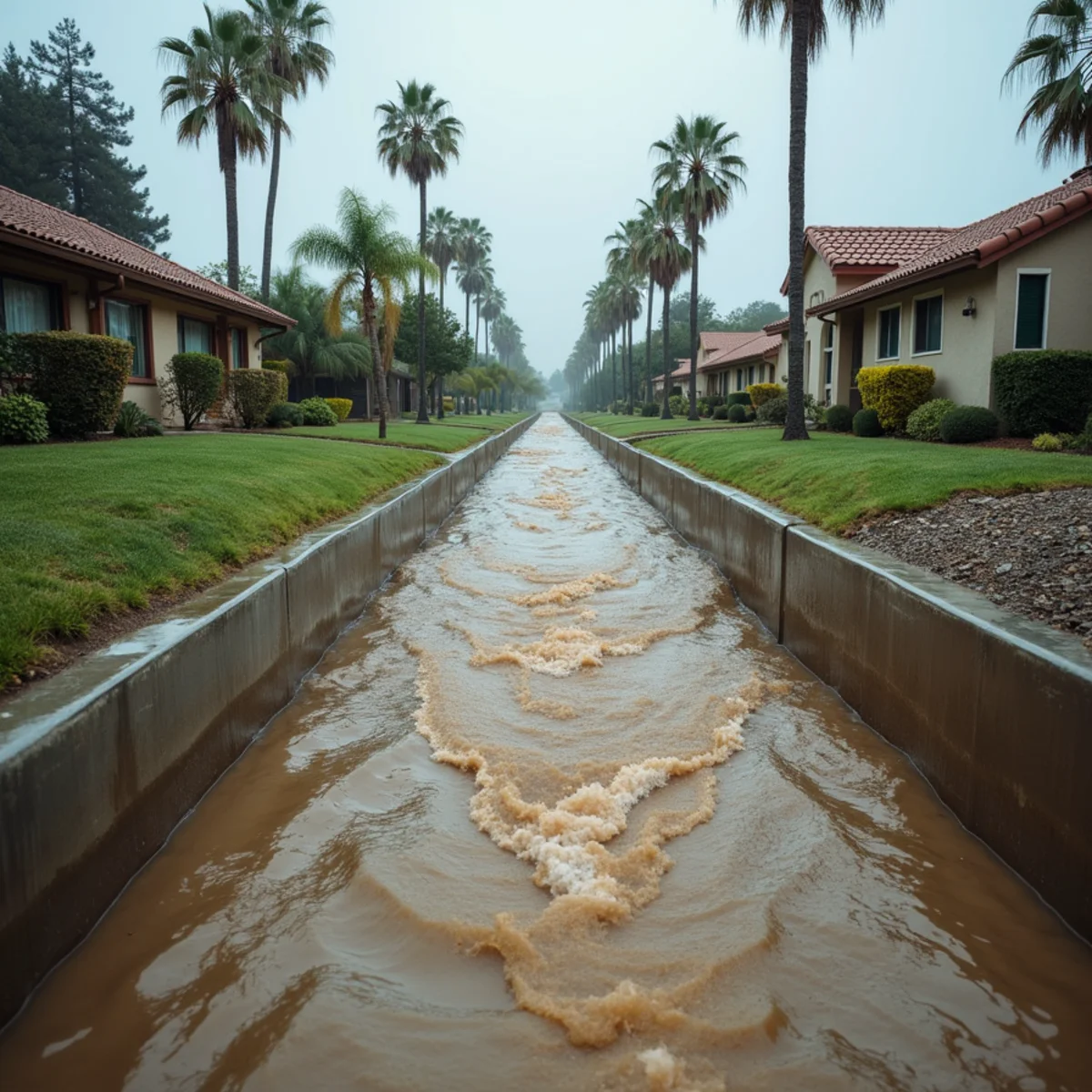
A flood does not knock. One heavy storm, one failed sump, one overwhelmed street drain, and water is inside your home crossing rooms you never expected it to reach. Floodwater also arrives dirty, carrying whatever it picked up on the way in, which makes speed and safety equally urgent.
Left alone, floodwater does damage in layers. It soaks flooring and drywall first, then it settles into insulation and framing, then it leaves behind silt, bacteria, and the beginnings of mold. Because much floodwater is graded as contaminated, the wet materials it touches often cannot simply be dried and kept, which is why quick, correct decisions in the first hours save the most.
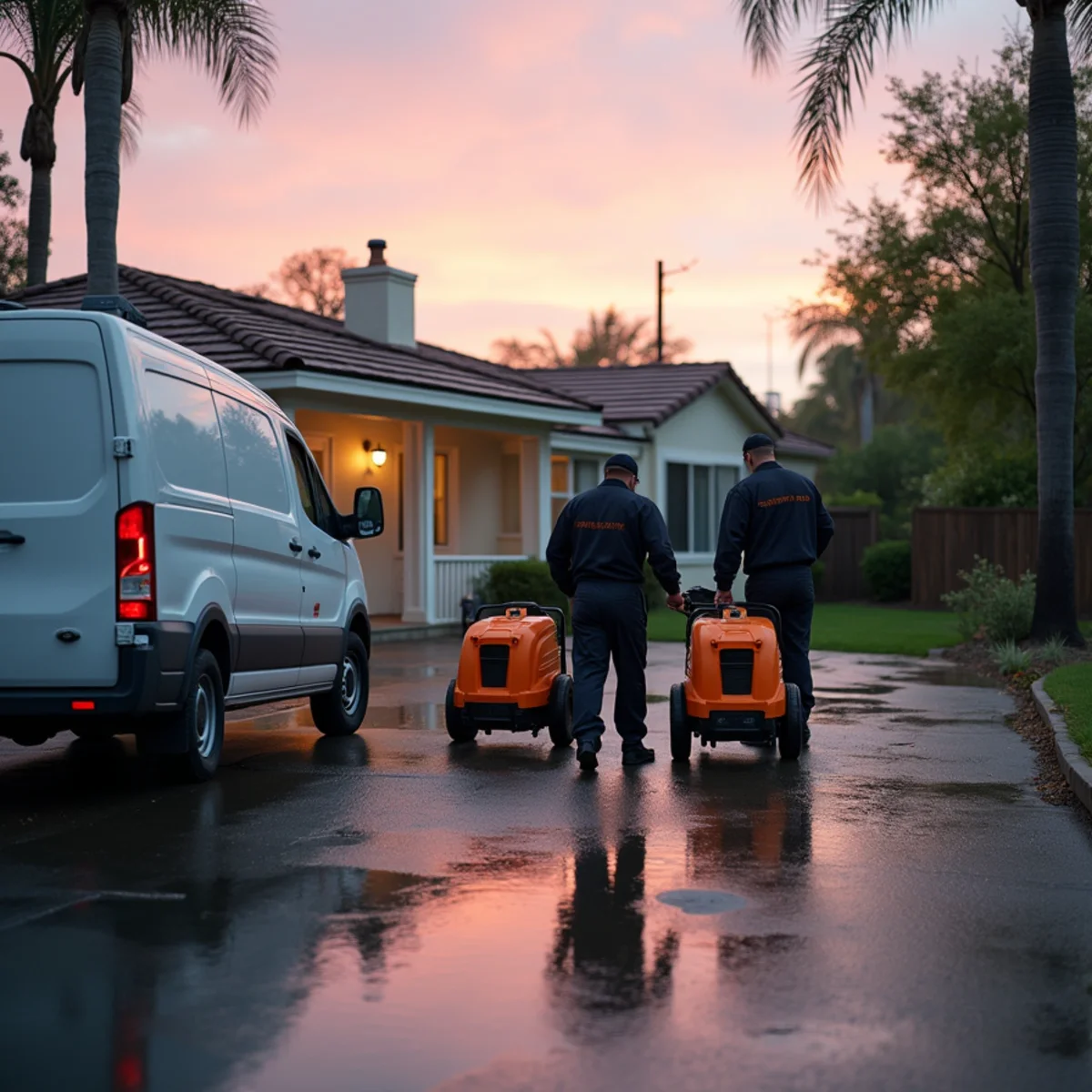
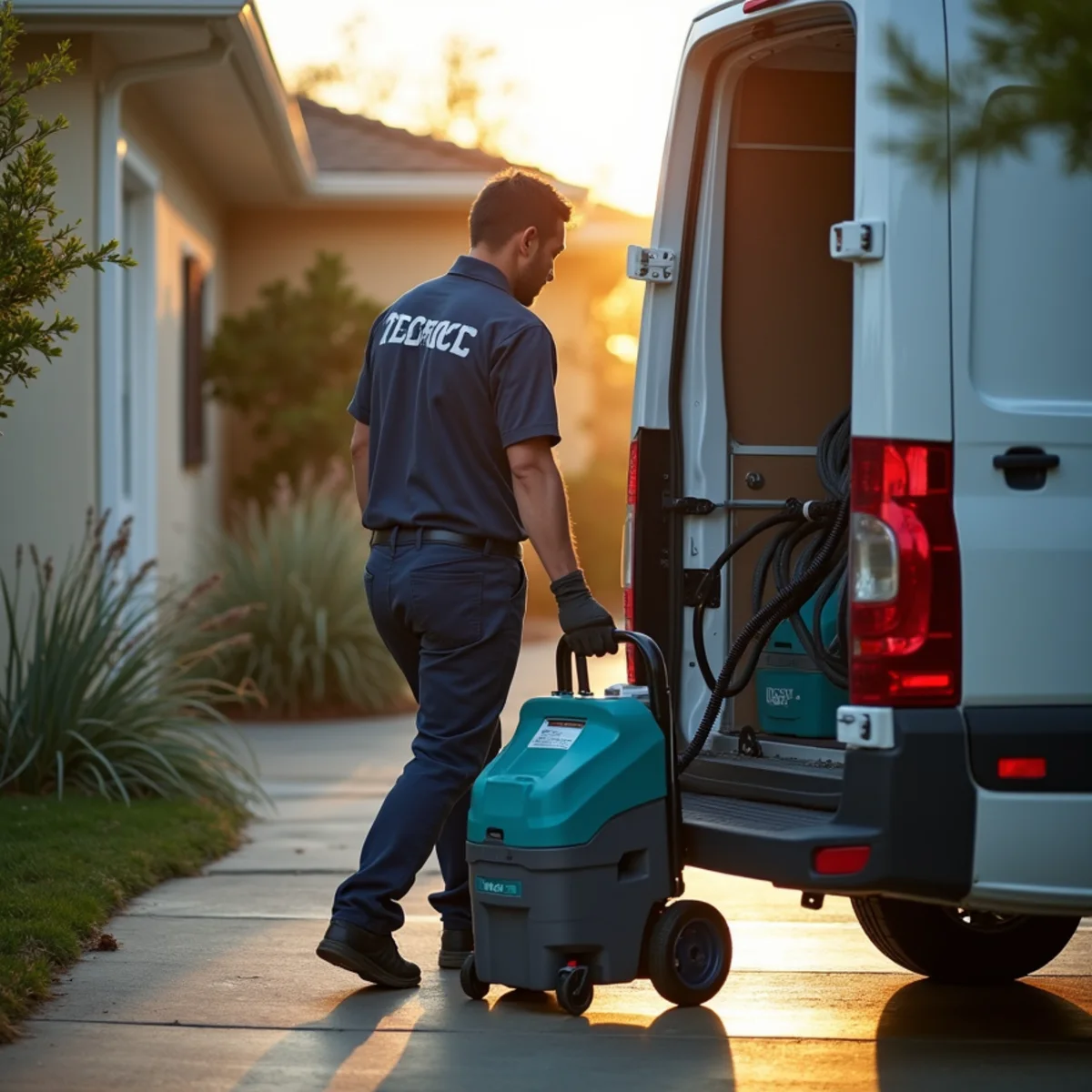
Our flood crews are dispatched the moment you call, and a real person answers our 24/7 line to get them moving. We aim to reach Buena Park addresses in about 60 minutes with pumps, extractors, and protective gear ready. First we make the scene safe and stop the inflow if we can, then we pull the water out and separate what can be saved from what cannot.
From there we clean, sanitize, and dry to the IICRC S500 standard, treating contaminated water with the caution it demands. We photograph the loss, log every moisture reading, and bill your insurer directly where your policy allows. Flooding feels chaotic, but the response does not have to be.
Signs You Need Emergency Flood Response in Buena Park
Water damage rarely announces itself politely. Here's what tends to signal that it's time to call a professional:
- Water entering under doors, through a garage, or up through the slab
- Muddy or discolored water rather than clean tap water
- Rising water during or right after a heavy storm
- A failed or overwhelmed sump pump in a low area
- Debris, silt, or a foul smell left in the water's path
- Multiple rooms wet at once from a single source
- Yard or street water backing up toward the house
What's Included in Our Emergency Flood Response
Emergency Flood Response with us is a complete, done-for-you service — not a partial fix that leaves you chasing other contractors. Here's what a typical job includes:
- 24/7 emergency crew dispatched within about an hour
- Submersible pumps handling deep standing floodwater
- Truck-mounted extraction once the pump-out is complete
- Fast assessment of the floodwater contamination category
- Emergency containment set around the affected areas
- Structural drying set up with air movers on arrival
- Flood damage documented from the moment we arrive
Why This Matters in Buena Park & North OC
Coyote Creek runs along Buena Park's northwest border with Cerritos and La Mirada, and the low ground near it carries real storm and flood exposure when the rains come hard between November and March. Homes and businesses in those flats are the ones most likely to take on water that arrives fast and dirty, and we keep flood-ready equipment stocked with that exposure in mind.
The rest of the year, our Mediterranean climate lulls people into forgetting flood risk, then a single atmospheric river dumps months of rain in a day. Street drains along the Beach Boulevard corridor and near the freeways can overwhelm quickly, pushing water toward garages and ground-floor units. When that happens across town at once, being locally based is what lets us still reach you fast.
We also respond to the man-made floods that have nothing to do with weather: a supply line that lets go while you are away, a water heater that ruptures, an appliance that fails and runs for hours. Whatever the source, flood response in Buena Park means the same thing to us, getting to you quickly and treating the water as the hazard it can be.
Our Emergency Flood Response Process
Flood response follows a strict order: safety and source control, water extraction, cleaning and sanitizing, then structural drying.
- 1
Emergency Contact & Rapid Assessment
A real person answers your call 24/7 — never a voicemail. We ask a few quick questions to gauge severity, then dispatch a crew immediately. While you wait, we'll walk you through shutting off the water and safely documenting the damage for your insurer.
- 2
Water Extraction
Our technicians arrive with truck-mounted and portable extraction units to pull out standing water fast — the single biggest factor in limiting damage. We move furniture and belongings to dry areas and stop the spread before it reaches new rooms.
- 3
Drying & Dehumidification
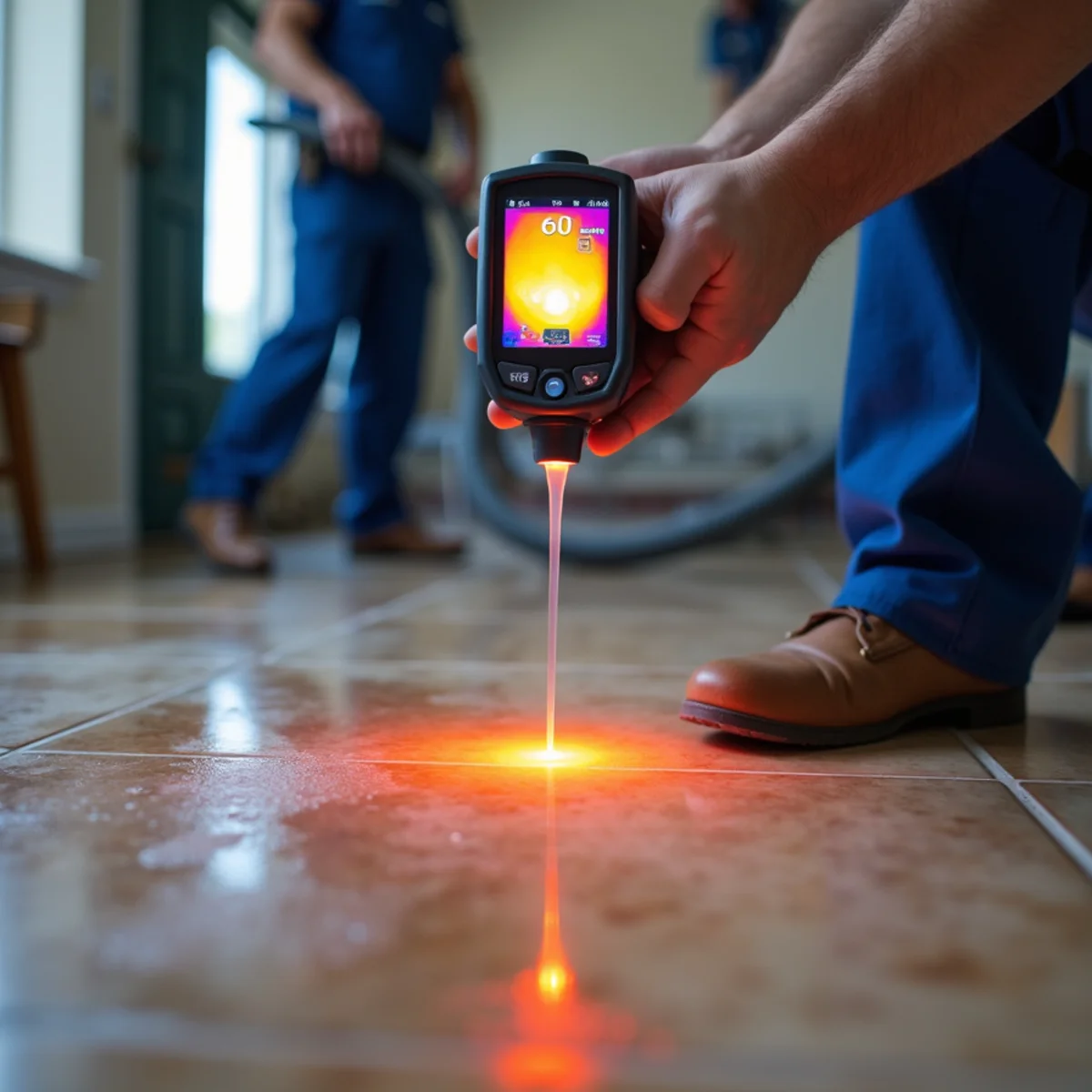
We position industrial air movers and dehumidifiers to dry structural materials from the inside out, then monitor moisture daily with professional meters and thermal imaging so hidden dampness behind walls and under floors doesn't turn into mold.
- 4
Cleaning & Sanitizing
Every affected surface is cleaned with antimicrobial and anti-fungal treatments. For gray- and black-water losses we follow strict IICRC S500 containment, PPE, and disposal protocols to keep your home safe.
- 5
Restoration & Reconstruction
Once your property is dry, we repair or replace drywall, flooring, cabinetry, and paint — and put it back the way it was. One company handles the whole job, from the first extraction to the final coat of paint, so you're never juggling three contractors.
Water Damage Categories We Handle
Not all water is equal. During our assessment we classify the loss so it's treated safely and correctly — this also matters for your insurance claim.
| Category | Typical Sources | How We Handle It |
|---|---|---|
| Category 1 — Clean Water | Broken supply line, sink overflow, rainwater | Fast extraction, drying, and sanitizing. Porous materials like carpet and drywall can often be saved if they're dried within 24–48 hours. |
| Category 2 — Gray Water | Washing machine or dishwasher discharge, toilet overflow (urine only) | Extraction, removal of contaminated porous materials, antimicrobial treatment, and enhanced drying. Technicians work in full PPE. |
| Category 3 — Black Water | Sewage backup, floodwater, toilet overflow with solids | Full containment, removal and disposal of all affected porous materials, heavy-duty sanitization, HEPA filtration, and full PPE per IICRC S500. |
What Affects the Cost of Emergency Flood Response
We give you a clear, upfront estimate after a free on-site assessment — no guessing, no fake numbers. The final figure depends on factors like:
- The category of floodwater and how much sanitizing it requires
- How much standing water must be pumped and extracted
- Square footage flooded and how many rooms or floors are affected
- Materials that must be removed rather than dried due to contamination
- Silt and debris cleanup left behind by the water
- Antimicrobial treatment and odor control needs after extraction
- After-hours storm dispatch when many properties flood at once
Because we document everything to insurer standards, most of this is typically handled through your homeowner's claim — and we bill your insurance directly.
Need help right now?
Certified crews on standby, 24/7. We'll be there fast.
Emergency Flood Response FAQs
Yes, and the difference is safety. Floodwater from storms, ground sources, or sewage is graded as contaminated, so it needs protective handling and sanitizing, and some soaked materials must be removed rather than dried. A clean supply-line leak is often dried in place. We assess the water category first so everything after it is handled correctly.
If water is deep, spreading, or near electrical panels and outlets, it is safest to keep everyone out of the affected areas until the power there is off and the water is being removed. Contaminated water is also a health concern, especially for children and pets. Call us and stay clear, and we will tell you what is safe based on what you describe.
It depends on the water. Clean water caught early often lets us save carpet, pad, and drywall through drying. Contaminated floodwater usually means the porous materials it soaked have to be removed for health reasons, though framing and structure can frequently be cleaned, sanitized, and dried. We make that call honestly, item by item, on site.
Big storms do create surges of calls, which is exactly why being locally based in Buena Park helps. We stage flood equipment ahead of major rain events and prioritize by severity and safety. Call as early as you can, because getting on the list early and starting extraction sooner protects more of your home.
Be careful. If water is anywhere near outlets, appliances, or your electrical panel, don't wade in; shut off power at the breaker only if you can reach it without standing in water, then step out. Watch for a gas smell too. Call our 24/7 line and let our crew, who arrive in proper PPE, handle the standing water and any contamination.