You pull three quotes for the same mold problem. One says "mold removal," one says "mold remediation," and one promises to make your home "100% mold free." The prices are all over the map, and now you are stuck wondering whether you are even comparing the same work.
The short answer: in casual conversation the two words get swapped freely, and plenty of honest companies use "removal" on their websites because that is what homeowners search for. But there is a real distinction underneath the marketing, and knowing it is the difference between paying once and paying twice.
What each term actually means
"Mold removal" describes a physical action: taking out the visible mold you can see and the material it is growing on. Scrub the surface, cut out the moldy drywall, bag it, haul it away. It is one task.
"Mold remediation" describes the whole process of bringing mold back down to safe, natural levels. Removal is part of it, but so is finding and fixing why the mold grew in the first place. That is the piece a surface-only job skips, and it is usually the piece that decides whether the mold comes back.
Think of it like a leak under your sink. Mopping the floor is removal. Replacing the failed supply line so the floor stays dry is remediation. Both matter, but only one keeps the problem from repeating.
Why "100% mold removal" is a red flag
Here is the part the splashy ads leave out: mold spores exist naturally, everywhere, indoors and out. They drift in on your shoes, through open windows, on the dog. No home is sterile, and no contractor can make yours spore-free. The moment the job is done, outdoor air starts mixing back in.
So a promise of "100% mold removal" or a "completely mold-free home" is either a misunderstanding of the science or a sales line. The honest, industry-recognized goal, laid out in the IICRC S500 standard, is not elimination of every spore. It is returning the indoor environment to a normal, natural fungal level and removing the active growth and the moisture feeding it.
When a quote leans on guarantees that defy basic biology, treat it the way you would any too-good-to-be-true pitch. Ask what specifically they will do and how they will verify it.
What a complete remediation includes
A thorough job follows a sequence, and each step has a reason. Skip steps and you either spread spores around the house or leave the root cause in place.
Inspection and moisture mapping: find every affected area, not just the obvious patch, and trace where the water is coming from. A free inspection should happen before anyone quotes a scope.
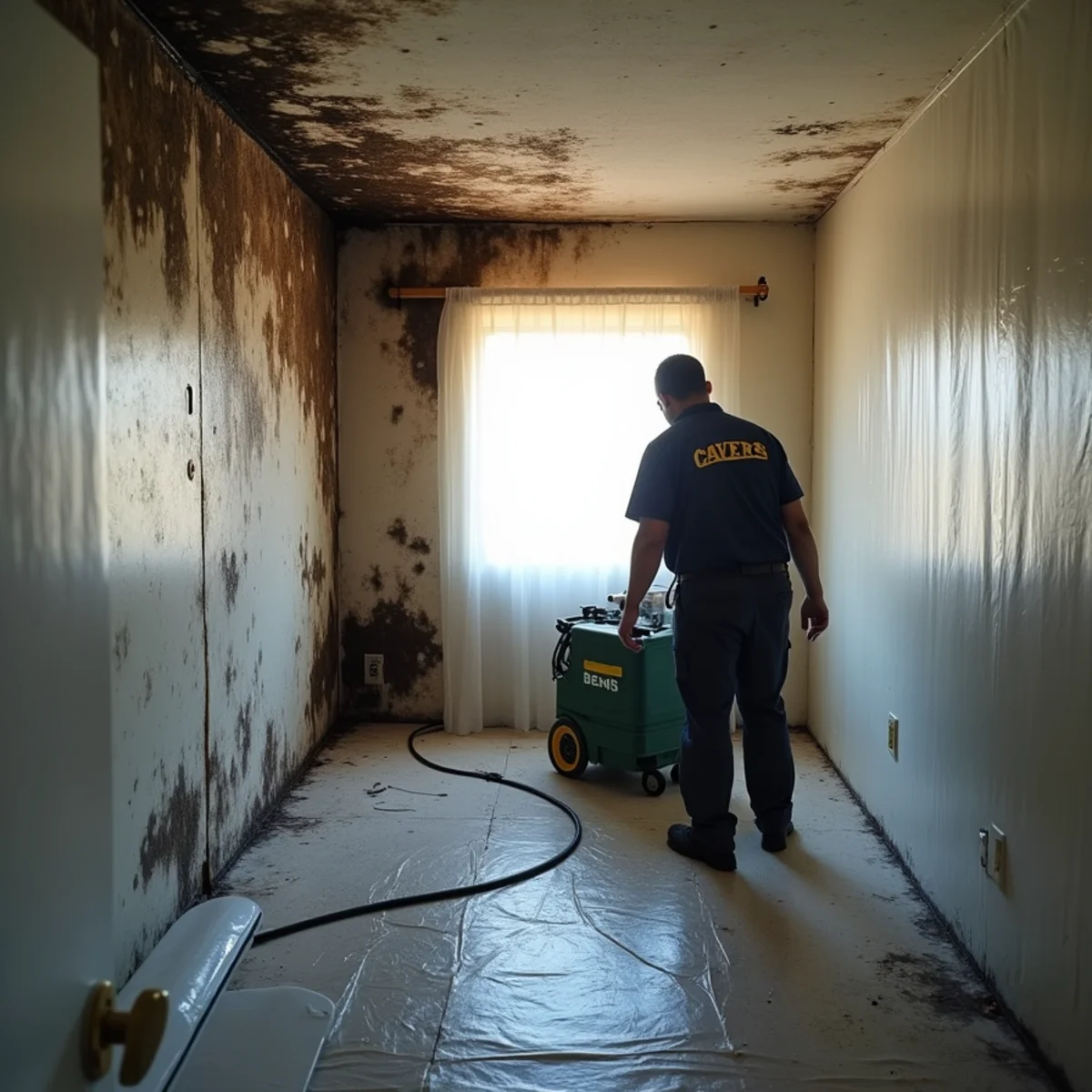
Containment and negative air: sealing off the work area with plastic and running HEPA-filtered negative air machines so spores stirred up during demolition do not travel into clean rooms through the HVAC.
Removing affected porous materials: drywall, carpet pad, insulation, and ceiling tile that have been colonized usually cannot be cleaned reliably and come out. Hard, non-porous surfaces can often be cleaned and kept.
HEPA cleaning and antimicrobial: HEPA vacuuming and detailed wiping to capture settled spores, followed by an EPA-registered antimicrobial on cleaned surfaces.
Fixing the moisture source: repairing the leak, correcting drainage or ventilation, and drying the structure to a verified dry standard. This is the step that separates mold removal done right from a cosmetic patch.
For hidden or recurring growth, pairing the work with mold inspection and testing gives you a documented before-and-after rather than a verbal "looks good."
How to spot a spray-and-leave job
The lowball quote almost always wins on price because it is quietly skipping the expensive, labor-heavy parts. A few tells to watch for:
No one asks about the water source. If the estimator never mentions the leak, the humidity, or where the moisture came from, they are selling removal, not remediation.
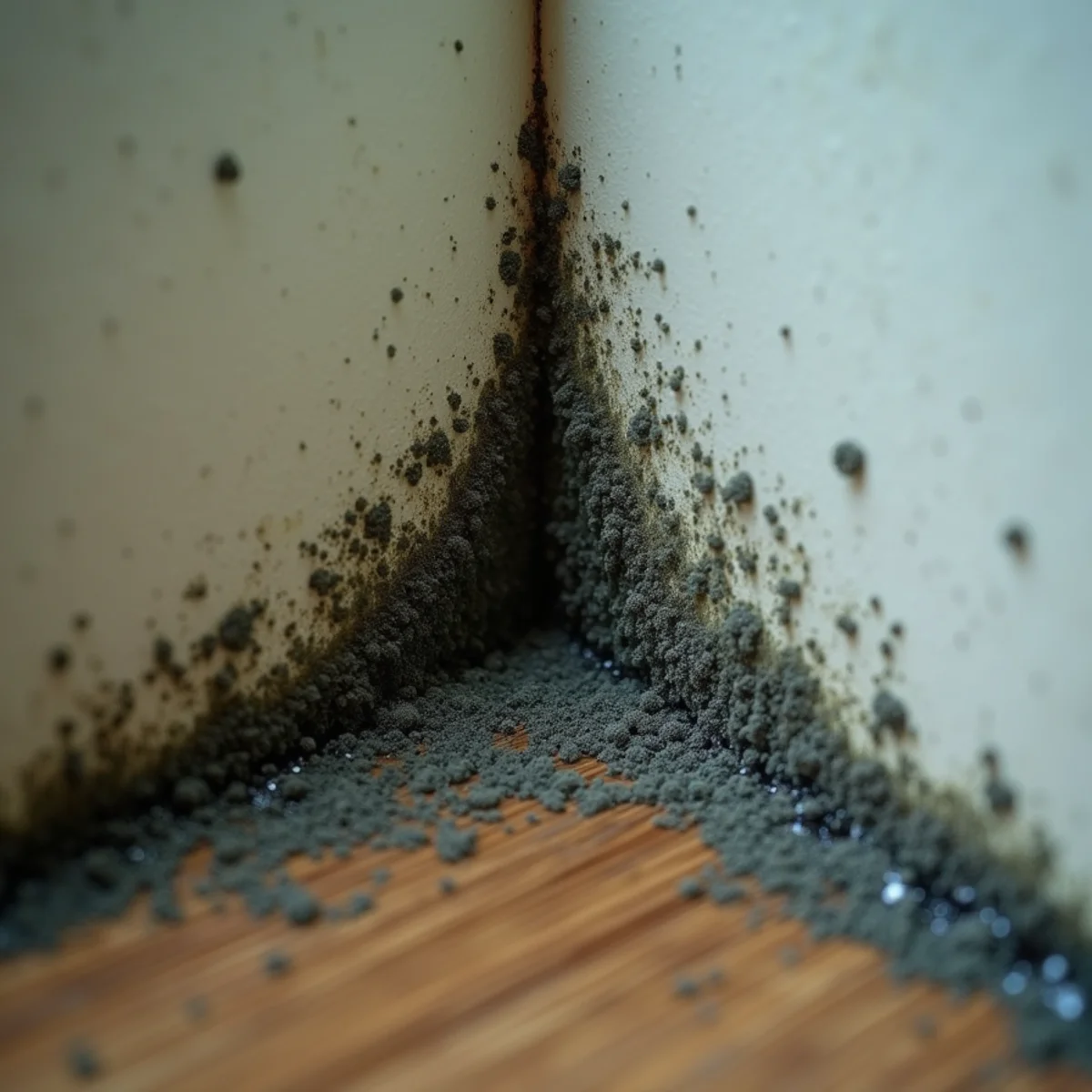
A single visit with a spray bottle. Fogging or spraying a biocide over visible mold without removing colonized material or containing the area can knock down the appearance for a few weeks. The growth typically returns because the food and water are still there.
No containment on a sizable job. Demolishing moldy drywall with no plastic barriers or negative air pushes spores through the rest of the house.
No drying verification. Reputable crews document moisture readings before closing the wall back up. "It'll dry on its own" is how mold reappears behind fresh paint.
Vague scope on paper. A good written estimate lists the rooms, the materials coming out, the equipment, and the moisture fix. A one-line "mold treatment" tells you nothing you can hold them to.
Do you need removal, remediation, or just testing?
If you have a small, clearly contained spot, say a square foot or two of surface mold on a hard surface from a one-time spill, cleanup can be straightforward and may not require a full remediation protocol. Fix the moisture, clean the surface, keep an eye on it.
If the growth covers a larger area, keeps coming back, involves porous materials, or follows a plumbing leak or flood, you are in remediation territory, where containment and the moisture fix matter.
Testing is most worthwhile in specific situations: when you smell mold but cannot find it, when you want to confirm the problem is resolved after work, during a real estate transaction, or when a household member has health concerns and a doctor wants documentation. For everyday visible mold with an obvious cause, you often do not need a lab test to know you have a problem, you need the water stopped and the material removed. If you are weighing whether what you see is even mold, our guide on black mold vs. mildew can help you tell them apart.
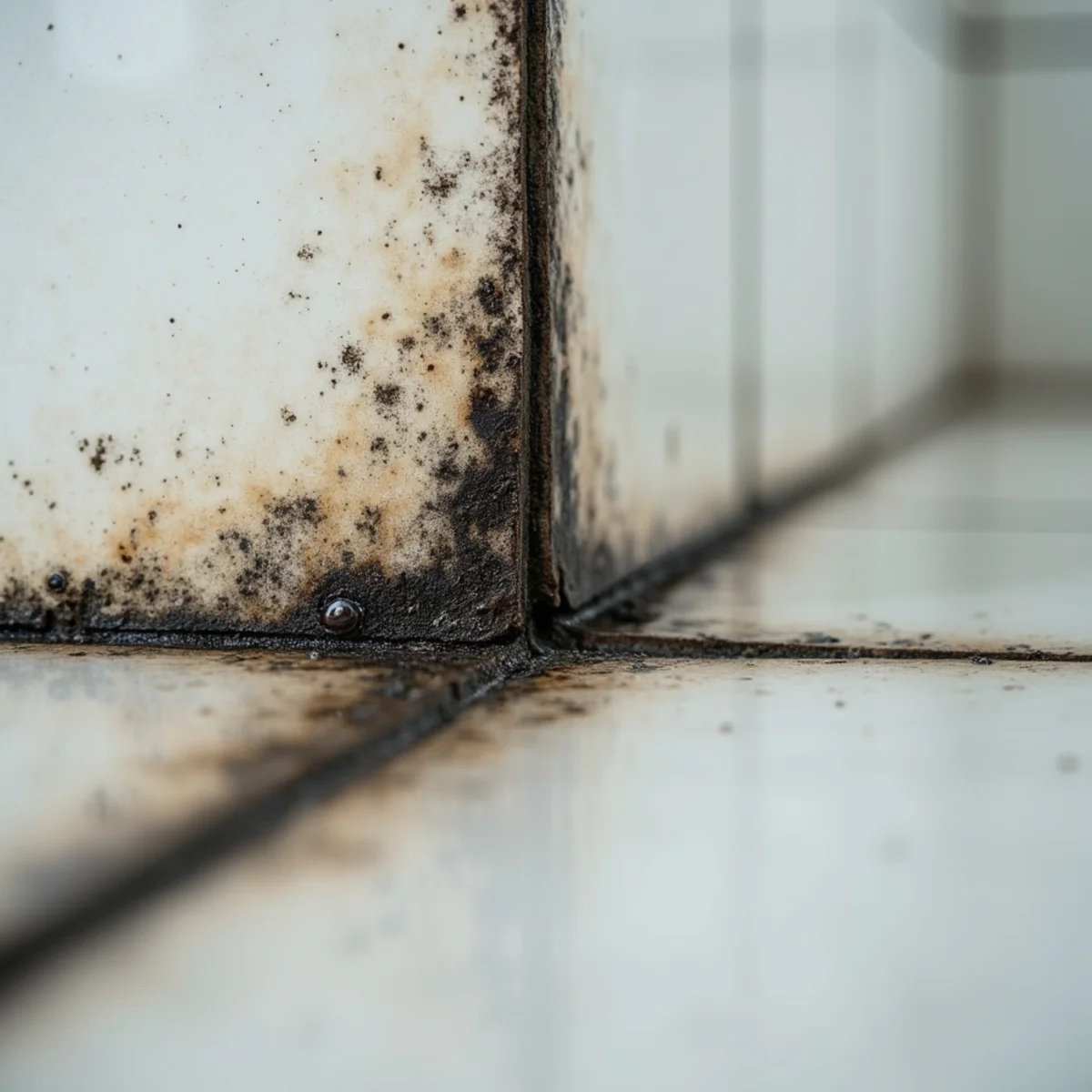
Color matters less than people think. "Black mold" gets the headlines, but species identification does not change the core response: contain it, remove it, and dry the source. Our black mold removal process follows the same S500 steps regardless of what the colony looks like.
Why the moisture fix is the whole ballgame
Mold is not really the disease, it is the symptom. It grows because something stayed wet. Address the growth without addressing the water and you have bought yourself a repeat visit, often within weeks, because mold can begin colonizing damp material in a day or two, as we cover in how fast mold grows.
That is also why the cheapest quote is frequently the most expensive one. Pay for a surface cleanup that ignores the leak and you pay again when it returns, plus the cost of the damage that spread in the meantime.
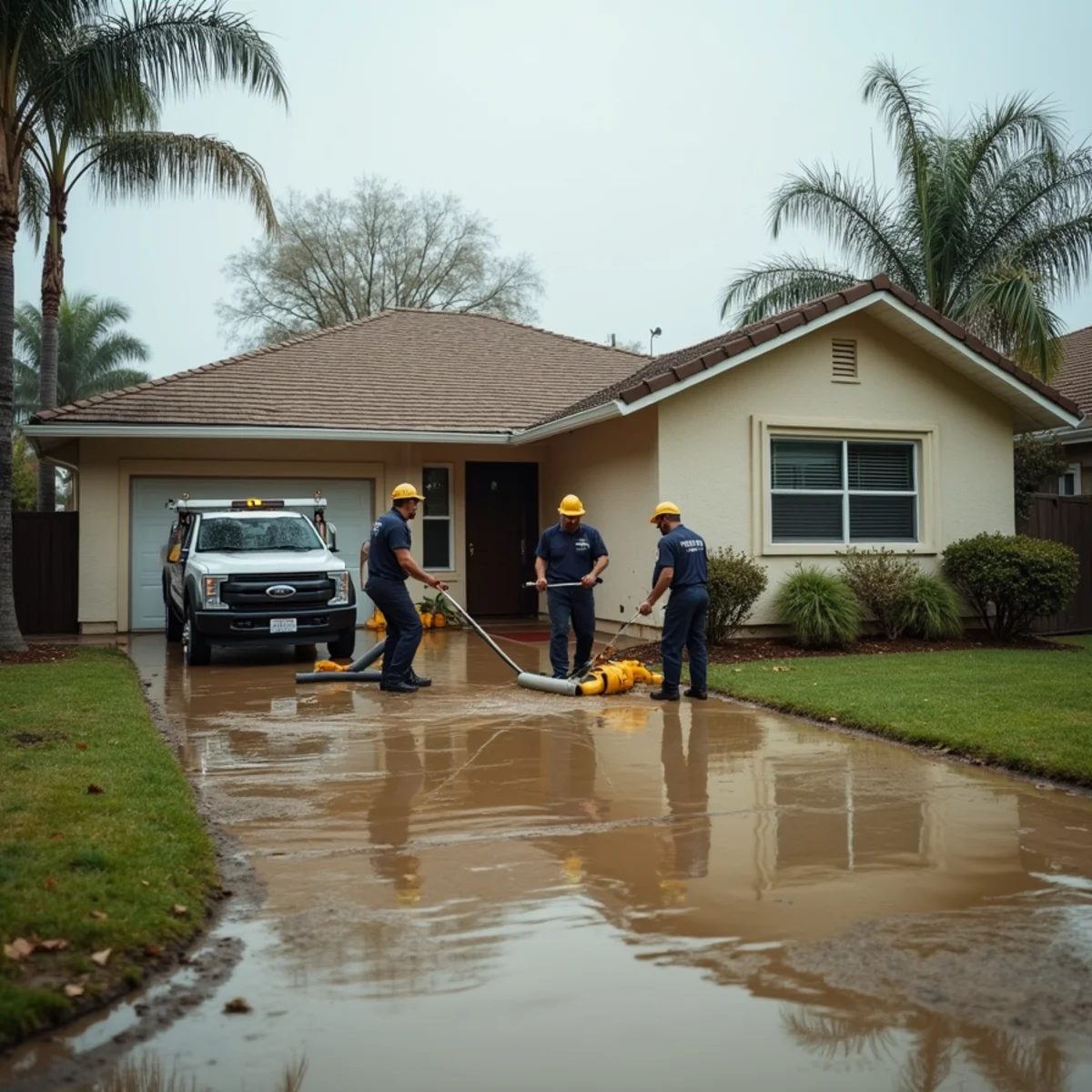
We work throughout Buena Park, North Orange County, and SE LA County, including nearby communities like La Habra. As an IICRC-certified, locally owned, licensed and insured company available 24/7, our aim is to leave you with a documented, dry, back-to-normal home, not a promise that defies biology.
Comparing quotes and not sure which one actually fixes the problem? Water Damage Buena Park offers free, no-pressure inspections so you know exactly what you are dealing with before you spend a dollar. Call (201) 277-9344 any time, day or night, and we will walk your home with you.
Frequently Asked Questions
In casual use, yes, people say both to mean "get rid of my mold." Technically, removal is the physical act of taking out visible mold, while remediation is the full process: inspection, containment, removal, HEPA cleaning, antimicrobial, and fixing the moisture source so it does not return.
No, and be cautious of anyone who promises it. Mold spores exist naturally in all indoor and outdoor air. The legitimate goal, per the IICRC S500 standard, is returning your home to normal, natural mold levels and removing active growth, not eliminating every spore.
Almost always because the moisture source was never fixed. If a leak, high humidity, or poor drainage keeps feeding the area, new growth returns even after a thorough cleaning. A complete remediation repairs the water problem and verifies the structure is dry.
Not always. For visible mold with an obvious cause, you usually need the moisture stopped and the material removed, not a lab test. Testing is most useful for hidden or suspected mold, post-remediation verification, real estate deals, or documented health concerns.
A thorough estimate identifies the water source, lists the rooms and materials involved, and includes containment, drying, and verification. A lowball "spray and leave" job skips the moisture fix and containment, which is why the mold often returns within weeks.
Dealing with water damage right now?
Water Damage Buena Park responds 24/7 across Buena Park & North OC.