A leak gets cleaned up, the floor looks dry, and life moves on, until a damp, earthy odor settles into a room and refuses to leave. You notice it most when you first walk in the door, or after the house has been closed up all day. Candles and sprays knock it back for an hour, then it returns.
That lingering musty smell is not just an annoyance. It is information. In almost every case, it means moisture is still trapped somewhere in your home and microorganisms are feeding on it. Understanding what the odor is, and why it keeps coming back, is the first step to actually getting rid of it instead of covering it up.
What a Musty Smell Actually Is
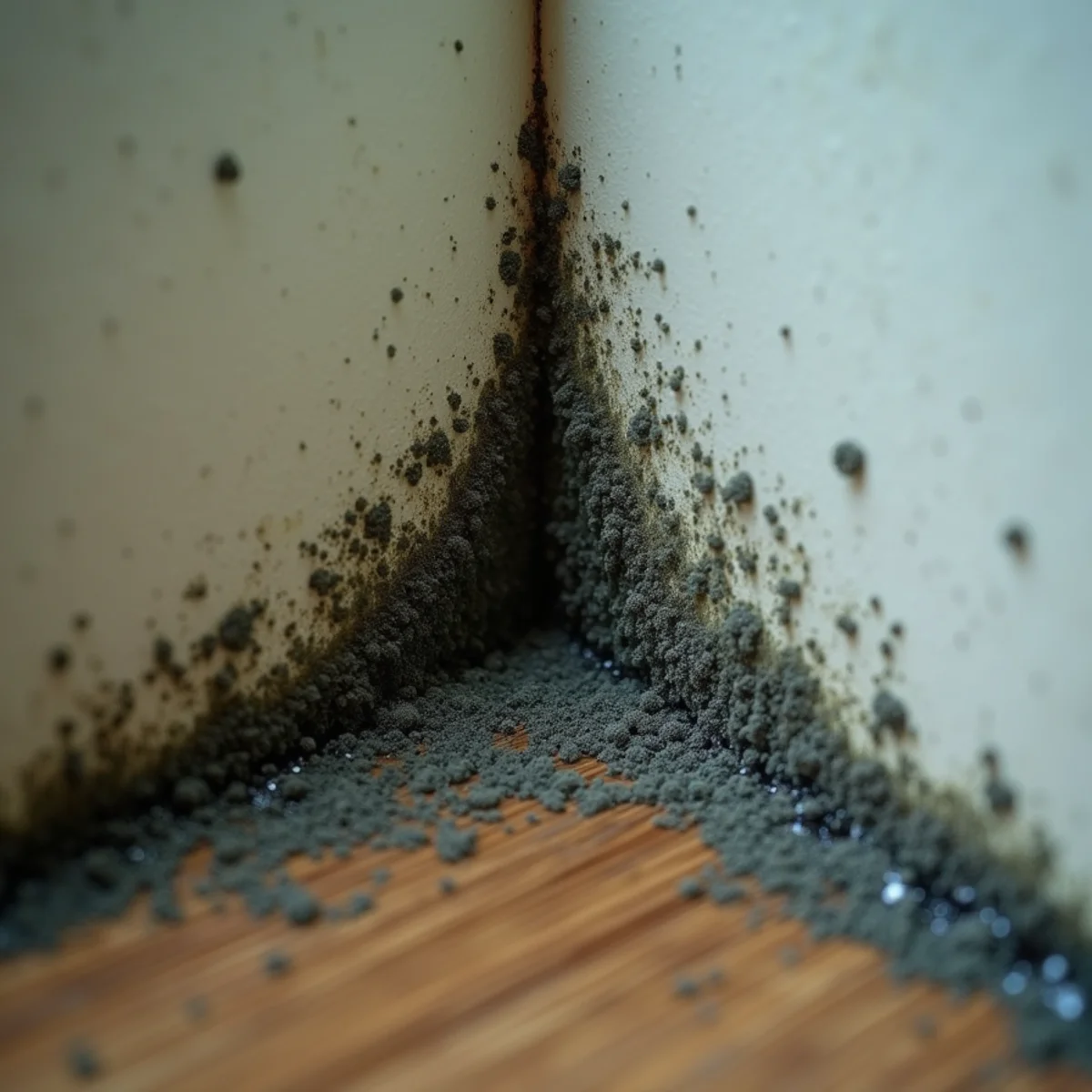
The smell has a specific source: microbial volatile organic compounds, or MVOCs. These are gases released by mold and bacteria as they grow and digest the organic material in damp building components, such as the paper facing on drywall, wood framing, carpet backing, and the dust and organic matter trapped inside them.
Different microbes give off different MVOCs, which is why the odor can read as earthy like wet soil or a basement, sometimes sweet or sharp, sometimes like old cardboard. What they share is a trigger: moisture. Dry materials do not produce that smell. When you can smell musty air, colonies are active and producing gas right now, even if you cannot see a single spot of mold on the surface.
Why the Smell Lingers After Everything Looks Dry
Surfaces dry first. The materials behind and beneath them hold water far longer, and that is where the odor is coming from.
Drywall wicks moisture upward from the floor and holds it in the gypsum core where air never reaches. Carpet can feel dry on top while the pad underneath stays saturated for days. Baseboards, the sill plate, and the subfloor trap water against framing. Wall cavities turn into sealed pockets of humid air. And concrete slabs are their own problem: concrete absorbs a surprising amount of water and releases it slowly over days or weeks, feeding humidity back into a room long after a flood is mopped up.
Because the moisture is hidden, the mold is too. It grows inside the wall, under the floor, behind the cabinet, out of sight but very much within smelling range. That is why a room can look spotless and still smell wrong.
Why Air Fresheners, Candles, and Ozone Do Not Work
Masking products add a competing scent; they do nothing to the moisture or the microbes producing the odor. Plug-ins, sprays, and scented candles cover the smell for as long as they run, and the mustiness returns the moment they stop because the source never changed.
Ozone generators are marketed as a cure and deserve special caution. Ozone can oxidize some odor molecules in the air, but it does not reach moisture sealed inside drywall or a slab, it does not kill mold at the root, and it is a respiratory irritant that is not safe to run in an occupied home. Once the machine is off and the space re-humidifies, colonies keep growing and the smell comes back.
The pattern is always the same: if an approach does not remove moisture and the material the mold is living on, it is buying you hours, not fixing anything.
What Actually Removes the Smell
Getting rid of a musty odor for good is a sequence, and the order matters.
Find and stop the moisture source. A dried-out room will get wet again if the cause is still active. Sometimes that is an obvious burst supply line; often it is slow and concealed. Our guide to the signs of a hidden water leak covers what to look and listen for.
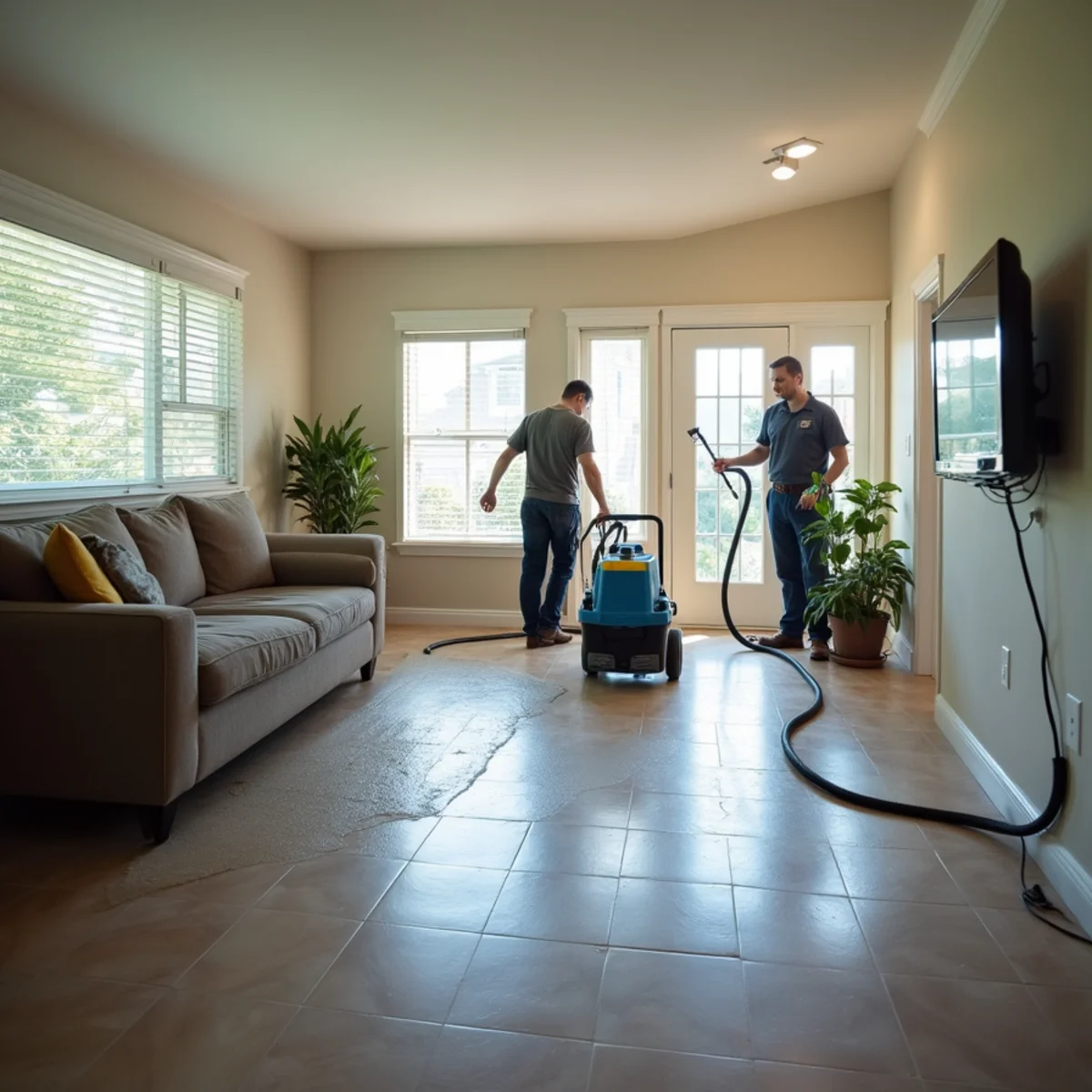
Dry the structure to proper moisture readings. This is the core of the work. Using moisture meters, we measure the actual moisture content inside walls, flooring, and framing, then place air movers and commercial dehumidifiers to bring those materials back to a documented dry standard, not a surface that merely feels dry, but verified numbers. Professional structural drying is what reaches the water your towels and box fan cannot.
Remove what cannot be saved. Saturated carpet pad, swollen baseboards, and crumbling or visibly colonized drywall usually have to go. Trying to dry and deodorize material that is already breaking down just preserves the smell.
Clean and treat the affected areas. Once things are dry, HEPA vacuuming and antimicrobial treatment address mold residue and spores on surfaces. Where growth has taken hold, dedicated mold removal is the right step rather than a surface wipe-down.
Deodorize at the source. Finally, professional odor removal and deodorization neutralizes the MVOCs that remain, the opposite of masking. Done after the structure is dry and clean, it finishes the job instead of hiding it.
What You Can Safely Do Right Now
While you arrange professional help, a few things genuinely help, and none of them make the situation worse:
Ventilate. Open windows and run exhaust fans to move humid air out, as long as the outdoor air is drier than the air inside.
Run a dehumidifier. Pulling moisture out of the room air slows mold growth and eases the smell. Empty the reservoir often or run it to a drain.
Look for the source. Check under sinks, around the water heater, behind the toilet, and near appliances for damp spots, warped trim, or staining. The sooner the moisture stops, the less the damage spreads.
Keep air moving and skip the candles. A fan helps; masking products only delay the real fix.
What not to do: do not paint or seal over a musty, stained wall, and do not assume the problem is solved once the surface feels dry.
When to Call a Professional
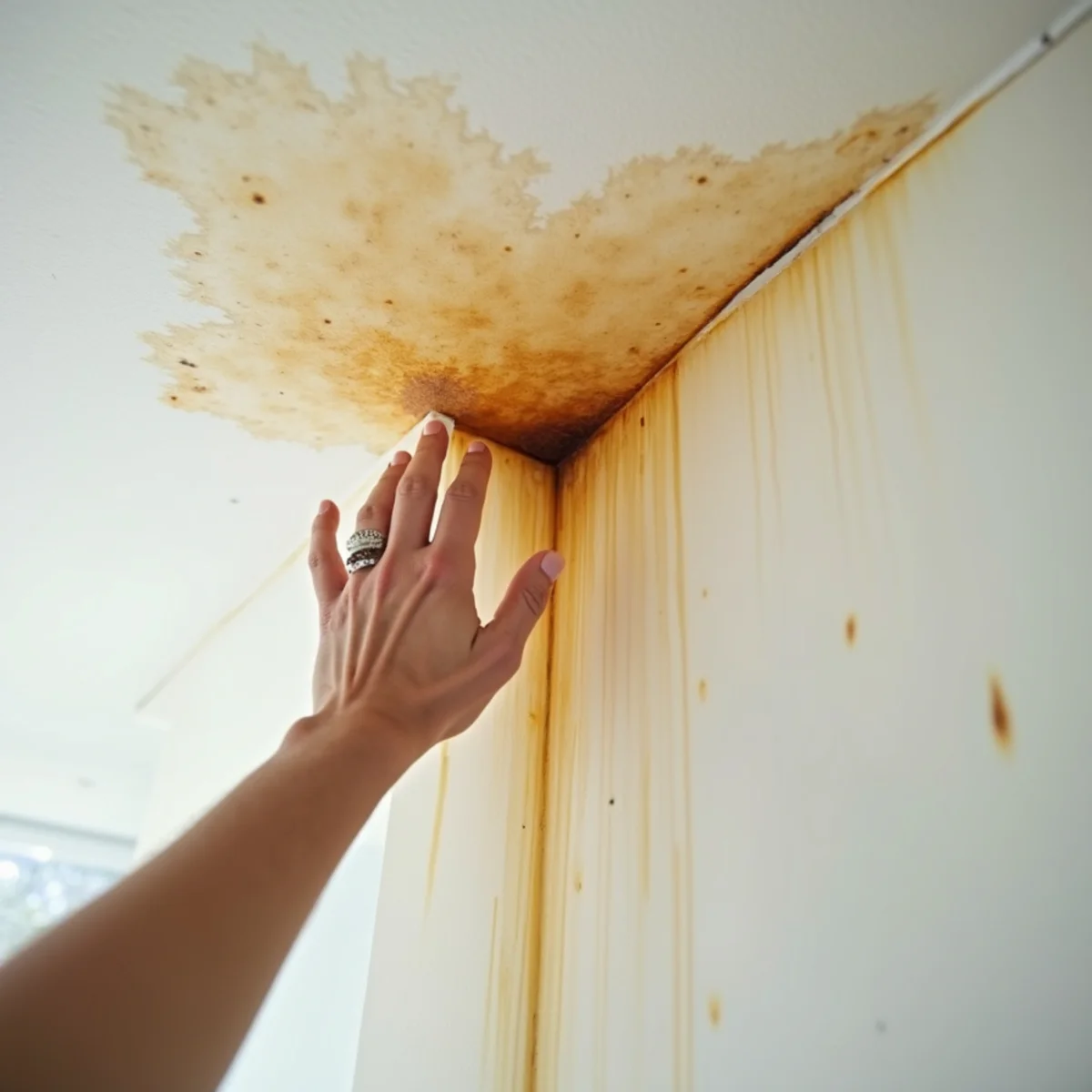
Call for help when the smell keeps returning after you have dried and aired out the room, when you can see staining, bubbling paint, or discoloration, when flooring feels soft or cupped, or any time standing water touched walls or carpet. These are signs moisture has moved into materials you cannot dry on your own.
Timing matters because mold does not wait. It can take hold within a day or two on damp material, which is why a musty smell often shows up fast. Our overview of how fast mold grows explains the window you are working against.
Water Damage Buena Park is IICRC-certified in Water Damage Restoration (WRT) and Applied Structural Drying (ASD) and follows the S500 standard, serving Buena Park, North Orange County, SE LA County, and nearby Cypress. We find the moisture, dry to verified readings, and deodorize at the source so the smell does not come back.
Frequently Asked Questions
Not always a visible colony, but the odor almost always means microbial growth is active somewhere on damp material. The MVOCs you smell are produced by mold and bacteria as they grow. Even with no visible spots, a persistent musty smell is a strong sign that moisture and growth are present out of sight.
An air purifier with a carbon filter can reduce odor in the air, but neither it nor an ozone generator reaches moisture trapped inside drywall, carpet pad, or a slab, and neither stops the growth producing the smell. Removing the moisture and the affected material is the only lasting fix. Ozone is also a respiratory irritant and should not be run in an occupied home.
Surfaces dry first while the pad, subfloor, framing, and wall cavities stay wet, and a concrete slab can release moisture for days. Those hidden reservoirs keep feeding mold and the smell. Moisture-meter readings show whether materials are actually dry below the surface.
Once the structure is dried to proper moisture readings, unsalvageable materials are removed, and the areas are cleaned and deodorized, the odor typically clears. If it lingers, it usually means moisture or colonized material was missed and needs a second look.
Dealing with water damage right now?
Water Damage Buena Park responds 24/7 across Buena Park & North OC.