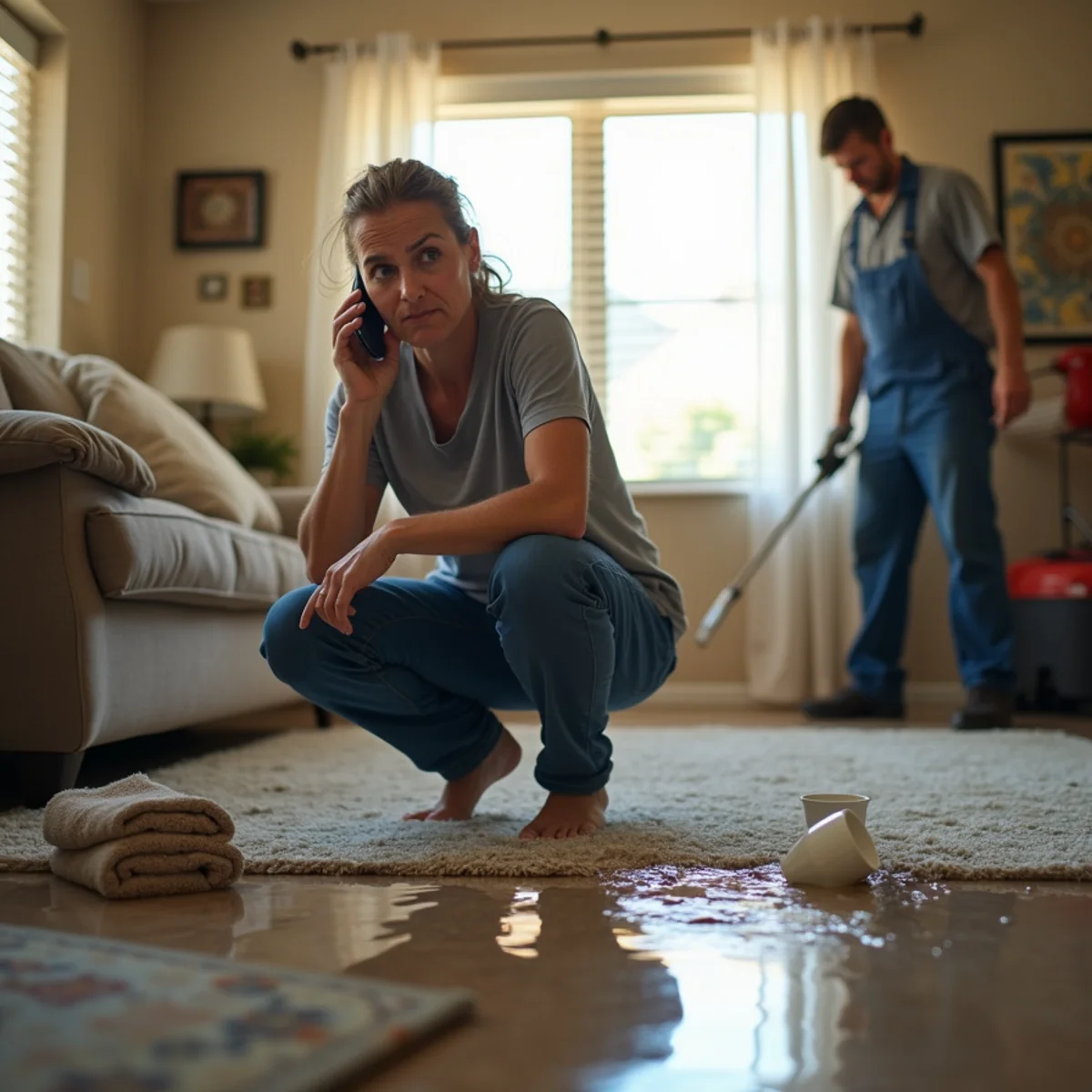
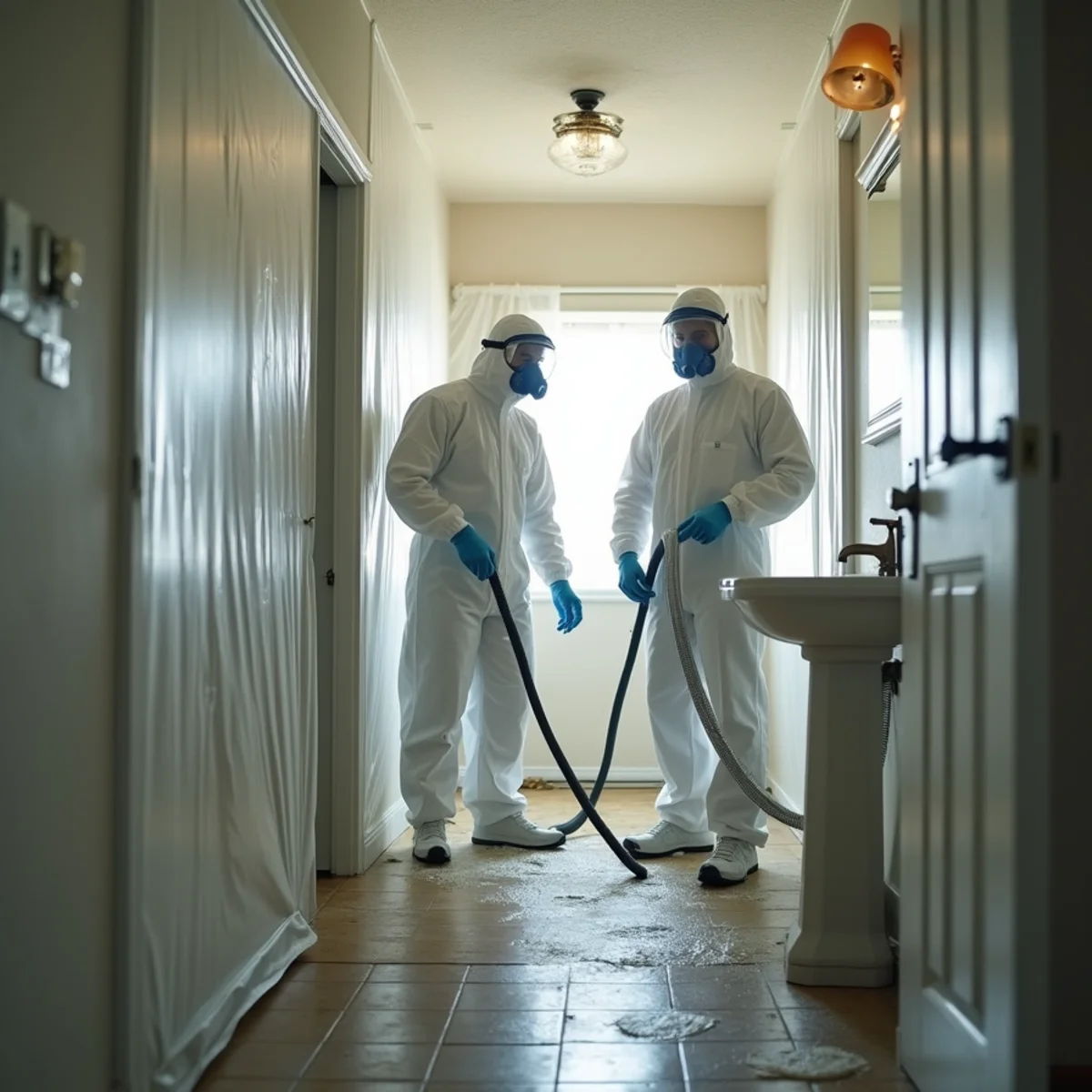
A sewage backup is not the kind of mess you mop up and forget. When wastewater pushes back through a floor drain, a toilet, or a tub, it brings bacteria, viruses, and parasites into your home. It may look like dirty water on the floor. What is actually sitting there is closer to a biohazard, and it has to be treated that way.
Older neighborhoods around Buena Park are more prone to this than most people realize. Many homes here sit on 1950s and 60s slab foundations with original clay or cast-iron sewer laterals, and decades of root intrusion and corrosion leave those lines easy to clog. During the November-to-March rains, an overloaded municipal main can push sewage back into the lowest fixtures in a house. In older multi-family buildings sharing a single lateral, one blockage can affect several units at once.
Here is what makes sewage dangerous, what has to be removed, why do-it-yourself cleanup backfires, and the steps that actually protect your household while help is on the way.
Why Sewage Is Category 3 'Black Water'
Restoration professionals grade every water loss by how contaminated it is, following the IICRC S500 standard that guides the trade.
- Category 1 is clean water from a supply line or a tub faucet.
- Category 2, or gray water, is used water from an appliance such as a dishwasher or washing machine that carries some contamination.
- Category 3, known as black water, is grossly contaminated and can hold pathogens, chemicals, and raw waste.
Sewage backups, toilet overflows that come from beyond the trap, and water left standing long enough to grow bacteria all fall into Category 3. That label is not a formality. It dictates that porous materials soaked by the water cannot simply be dried and reused, and it shapes every step of professional water damage restoration and sewage cleanup.
Is Sewage Backup Dangerous? Yes, and Here Is Why
The hazard is biological. Human waste and the water that carries it can hold a long list of disease-causing organisms.
- Bacteria such as E. coli, Salmonella, and Shigella that cause serious gastrointestinal illness.
- Viruses including hepatitis A and rotavirus.
- Parasites such as Giardia and Cryptosporidium.
You do not have to swallow contaminated water to get sick. Exposure happens through skin contact with an open cut, touching your face after touching a surface, or breathing in aerosols and gases stirred up during cleanup. Children, older adults, pregnant women, and anyone with a weakened immune system face the highest risk, which is exactly why keeping them out of the area is not optional.
What Has to Be Thrown Out
The hardest part for most homeowners is accepting what cannot be saved. Porous and semi-porous materials pull contaminated water deep into spaces you cannot reach, clean, or verify. Under IICRC guidelines, these generally come out:
- Carpet and carpet padding, which act like a sponge and hold bacteria even after they look dry.
- Drywall and baseboards that wicked up sewage, typically cut out several inches above the visible water line.
- Wet insulation inside walls, which never dries cleanly and stays contaminated.
- Upholstered furniture, mattresses, and particleboard pieces that soaked it up.
- Any food, bottled or not, along with cosmetics and medicines that contacted the water.
Hard, non-porous items have a better chance. Sealed concrete, tile, glass, metal, and solid finished wood can often be cleaned and disinfected rather than discarded. A technician makes that call material by material, not by guessing.
Why DIY Sewage Cleanup Is Risky
A mop, a bucket, and a bottle of bleach are not enough for Category 3 water, and the attempt often makes the damage worse.
- Proper work requires full PPE: respirators, gloves, eye protection, and suits that most households do not own.
- Walking in and out of the area tracks contamination into clean rooms and spreads it across the house.
- Running the air conditioning or heat pulls contaminated air and odor through the ductwork and distributes it everywhere.
- Bleach does not penetrate porous materials, so surface-cleaning them leaves bacteria behind.
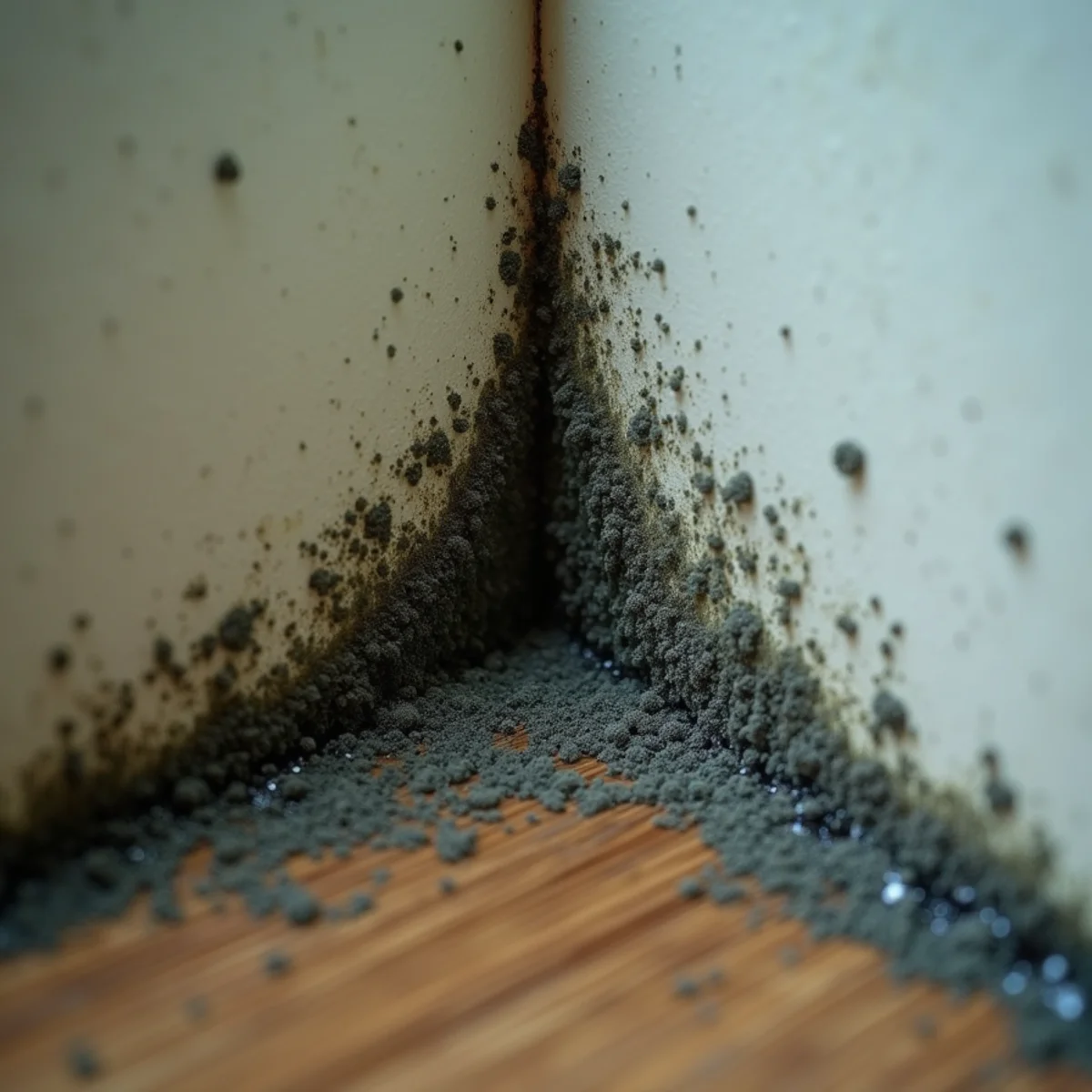
- Water that is not fully extracted and dried feeds mold, which can take hold within 24 to 48 hours.
Sewage cleanup is one of the few losses where doing less yourself protects you more.
What to Do Right Now
Before professional help arrives, a few careful moves limit the spread and keep your family safe. Act quickly, but do not put yourself in contact with the water.
- Keep everyone, including pets, out of the affected area and off any floor the water reached.
- Turn off your HVAC system so it stops circulating contaminated air, spores, and odor through the home.
- Do not touch or try to salvage items sitting in the water.
- If the backup is coming from an overflowing fixture you control, shut off the water supply to it; if it is a sewer main backup, stop using every drain, toilet, and washing machine on that line.
- Open a window for ventilation only if it does not pull air toward living spaces, and keep bedrooms and children's areas sealed off.
For a broader checklist that applies to any water loss, see what to do in the first 24 hours.
The Professional Cleanup Process
A certified crew follows a defined sequence built around containing the contamination, removing what it ruined, and leaving the structure genuinely clean and dry. Our technicians hold IICRC WRT and ASD certifications and work the problem in order:
- Containment with physical barriers and negative air pressure so nothing migrates to clean areas.
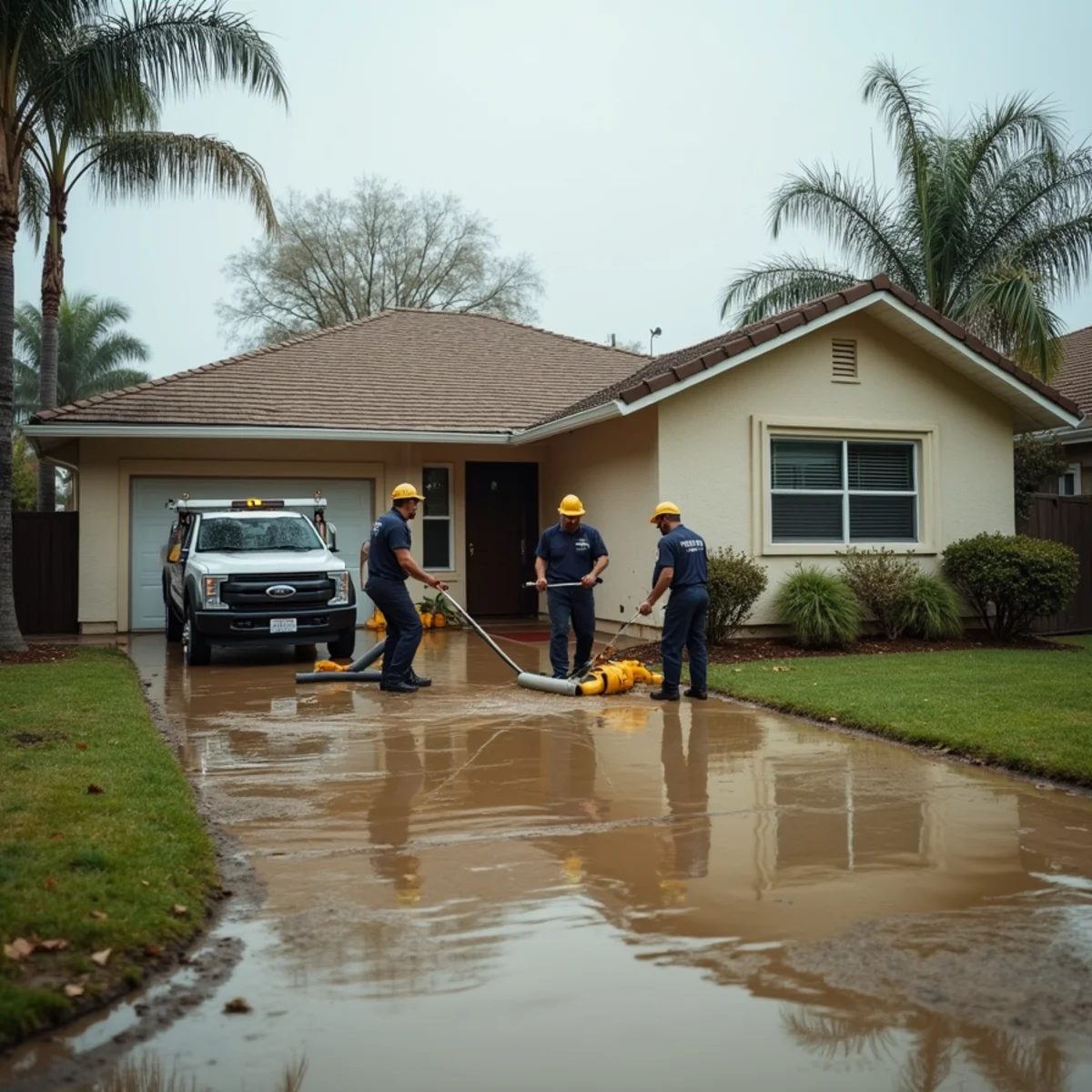
- Extraction of standing sewage and water with truck-mounted and portable equipment.
- Removal and bagged disposal of carpet, pad, drywall, insulation, and other unsalvageable porous materials.
- HEPA vacuuming and air scrubbing to capture particles and cut airborne contamination.
- Application of hospital-grade antimicrobial through our sanitizing and disinfection process on every affected surface.
- Structural drying with air movers and dehumidifiers, with moisture readings tracked daily until materials are verified dry.
Skipping or rushing any step is how odor, mold, and lingering contamination come back weeks later.
Insurance and When to Call
Many homeowners policies cover sudden sewage backups, though some require a specific sewer or drain backup endorsement, so it is worth checking your declarations page. We bill your insurer directly and document the loss with photos, moisture logs, and a materials inventory to support your claim.
Time matters with Category 3 water. The longer sewage sits, the farther bacteria spread and the more material has to come out. If you have a backup anywhere across Buena Park, Anaheim, or the surrounding North Orange County and SE LA County communities, treat it as the emergency it is.
Our 24/7 emergency line is staffed around the clock, with a roughly 60-minute response target across the area. Call Water Damage Buena Park now at (201) 277-9344, and keep everyone clear of the water until our crew arrives.
Frequently Asked Questions
Yes. Sewage releases gases and, once disturbed, airborne bacteria and particles that can irritate the lungs and transmit illness. That is why you should shut off the HVAC so contaminated air is not pushed through the ducts, keep the area sealed, and leave extended time in the space to crews wearing respirators.
A very small, freshly contained spill on a hard, sealed surface can sometimes be handled with proper gloves, eye protection, a respirator, and a disinfectant rated for pathogens. Anything that reached carpet, drywall, or a larger area, or that you cannot fully dry, needs professional [sewage cleanup](/services/sewage-cleanup/). The risk of cross-contamination and hidden moisture is too high to guess at.
Porous materials that absorbed the water usually have to go: carpet and padding, affected drywall and insulation, upholstered furniture, mattresses, particleboard, and any food or medicine that touched it. Sealed, non-porous items like tile, glass, and metal can often be cleaned and disinfected instead of discarded.
Often, but not always automatically. Standard policies frequently exclude sewer and drain backups unless you carry a specific endorsement for it, so review your coverage or ask your agent. We bill insurers directly and provide the documentation adjusters look for.
Dealing with water damage right now?
Water Damage Buena Park responds 24/7 across Buena Park & North OC.