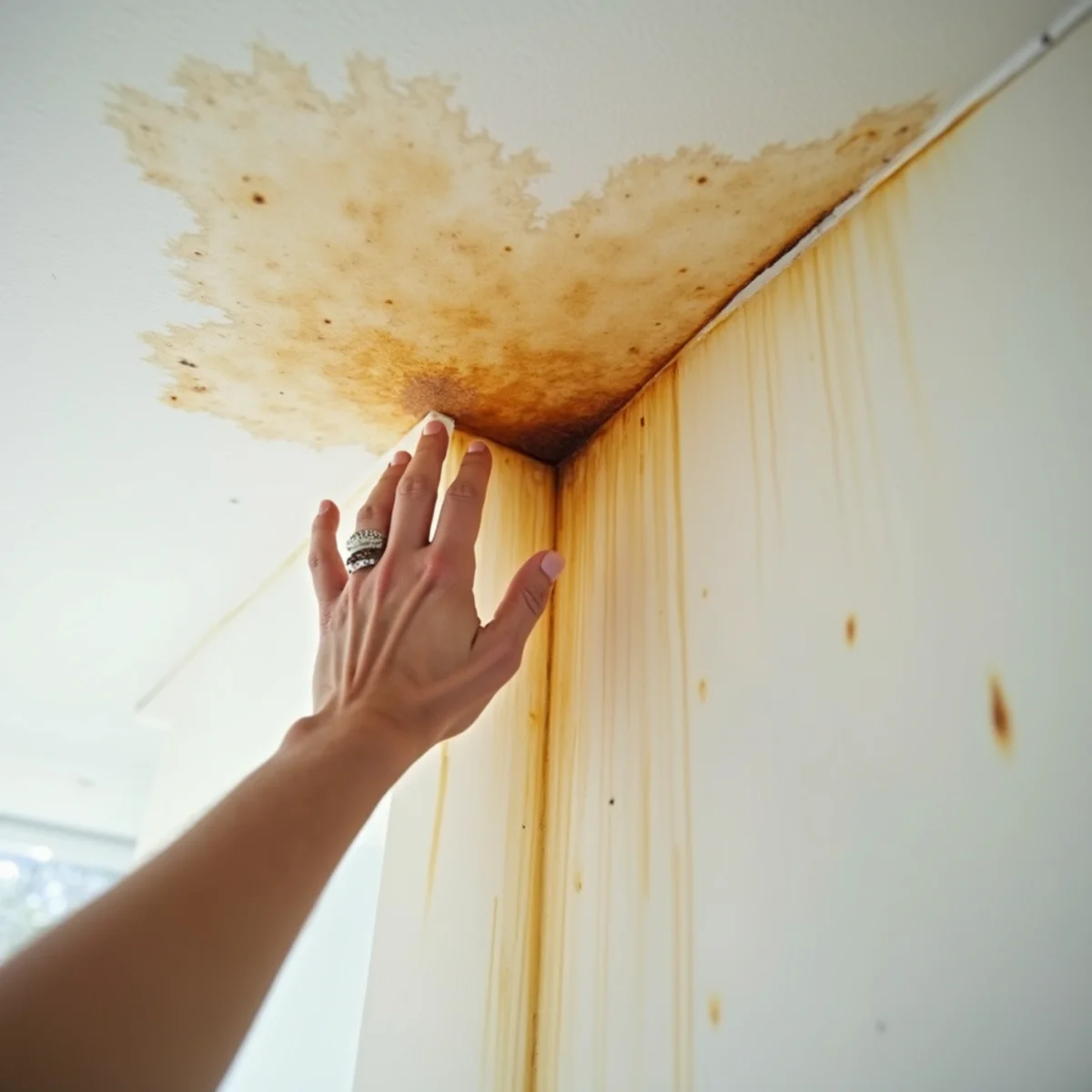
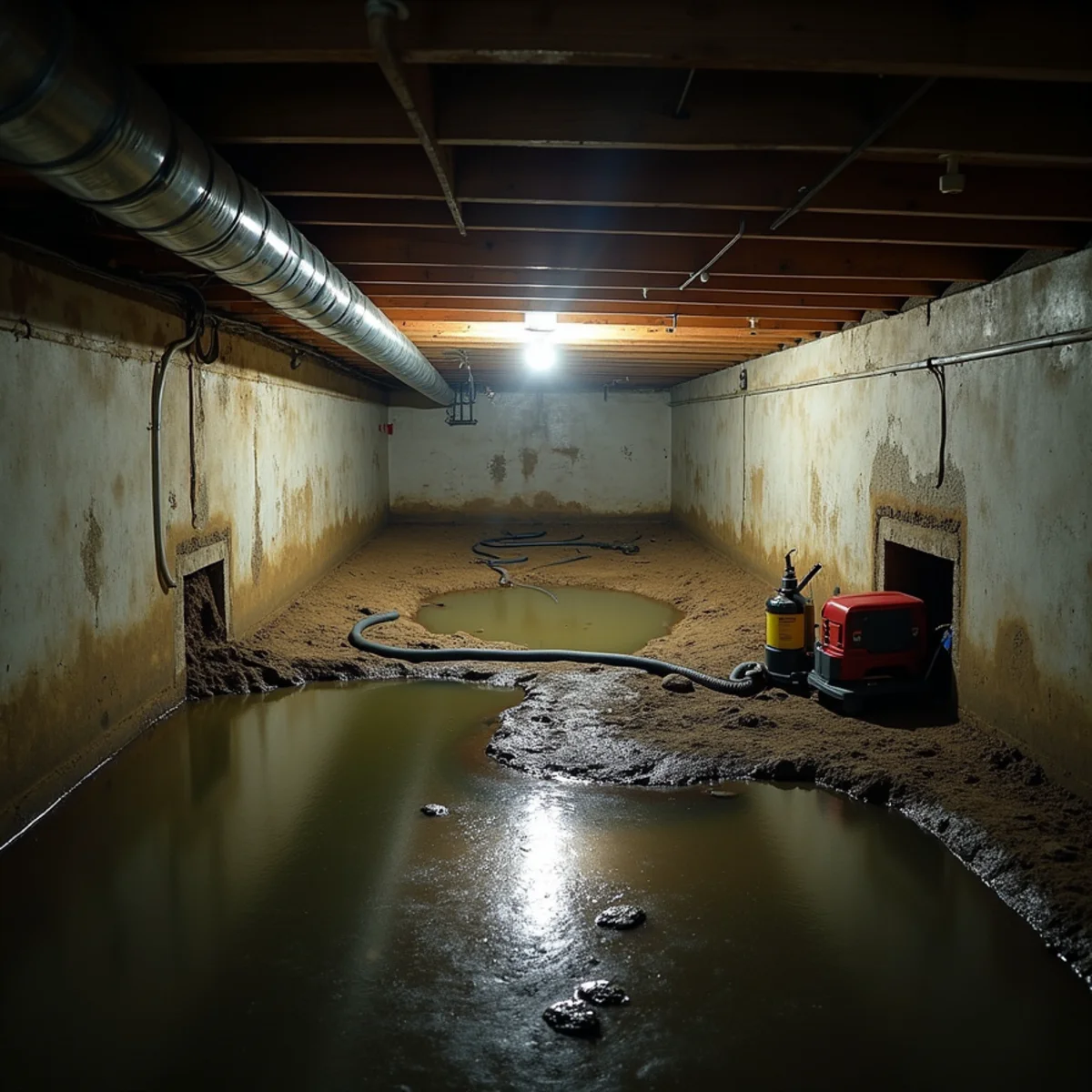
Water in a crawl space is easy to ignore and expensive to leave. You cannot see it from the living room. But under the floor, standing water is soaking joists, feeding mold, and rising as humidity into the rooms above. If you have caught a musty smell or a soft spot in the floor, call our 24/7 line and we will get under the house and look.
Crawl spaces trap moisture. They are dark, still, and slow to dry on their own. A plumbing leak, a slab-edge seep, or storm water that found its way in can sit for weeks against wood framing and insulation. Every day it sits, the risk to your subfloor and your air quality climbs.
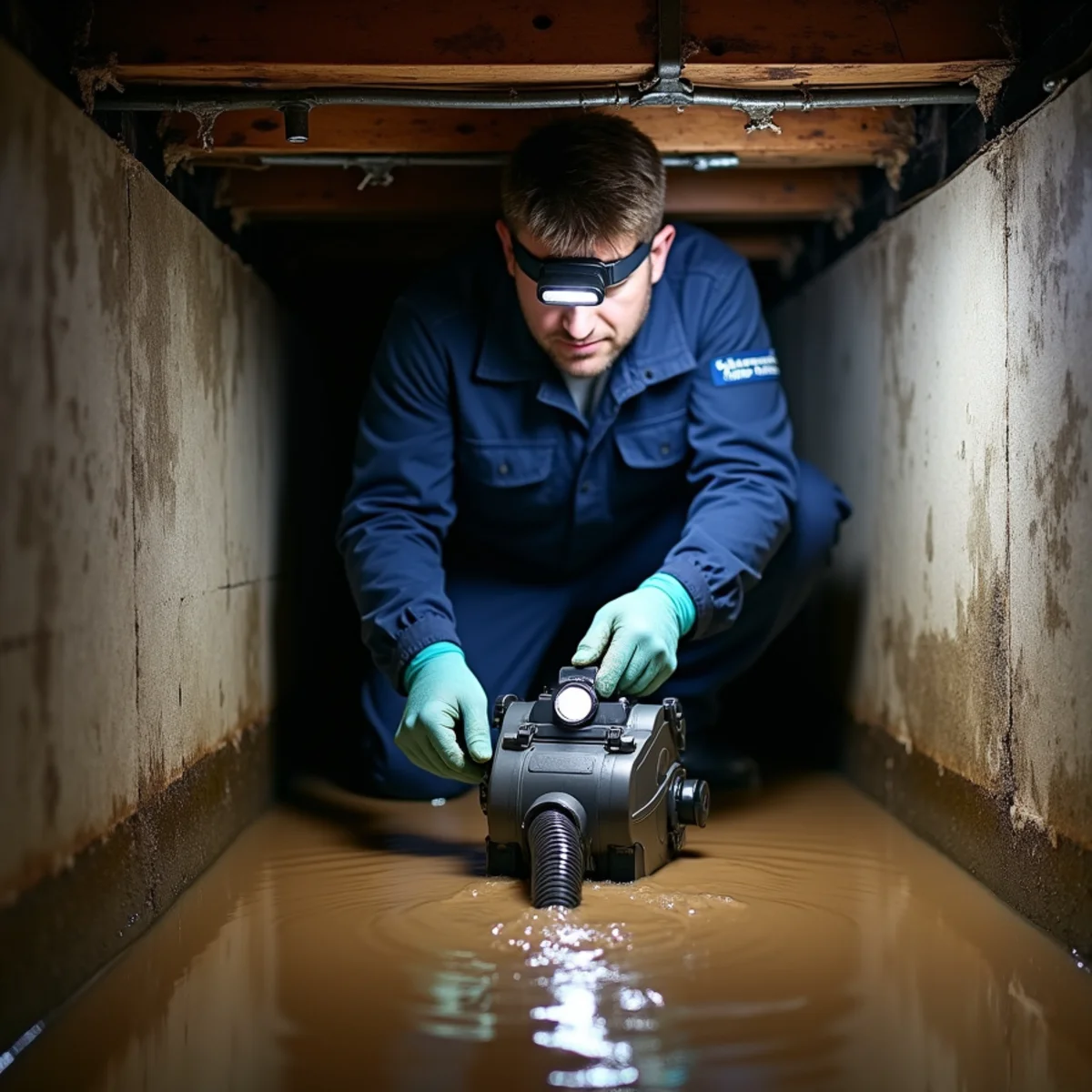
We pump out the standing water, remove ruined vapor barrier and fallen insulation, and dry the space with commercial dehumidifiers until the wood reads dry on a meter. Then we tell you honestly whether it needs a new vapor barrier or fuller encapsulation.
IICRC-certified, licensed and insured, and local. We follow the S500 standard, document the whole job, and work directly with your insurer where your policy allows.
Signs You Need Crawl Space Water Removal & Drying in Buena Park
Water damage rarely announces itself politely. Here's what tends to signal that it's time to call a professional:
- A musty, earthy smell drifting up through the floors
- Cupped, springy, or soft spots in the flooring above
- Visible standing water or mud when you look into the crawl space
- Sagging, torn, or drooping insulation between the joists
- White or dark mold growth on the underside of the subfloor or joists
- Higher indoor humidity and condensation forming on windows
- Rust on metal ducts, straps, or pipe hangers below the house
What's Included in Our Crawl Space Water Removal & Drying
Crawl Space Water Removal & Drying with us is a complete, done-for-you service — not a partial fix that leaves you chasing other contractors. Here's what a typical job includes:
- Standing water pumped out with submersible pumps and truck-mounted extractors
- Saturated vapor barrier and wet insulation removed and hauled away
- Air movers and low-grain dehumidifiers staged beneath the floor joists
- Moisture readings logged on joists, subfloor, and pier posts
- Antimicrobial applied to framing to block mold on damp wood
- New 6-mil vapor barrier installed once the space reads dry
- Thermal imaging to confirm no trapped moisture behind blocking
- Before-and-after photos and drying logs for your insurance file
Why This Matters in Buena Park & North OC
Most Buena Park homes sit on concrete slabs, so true crawl spaces are less common here than in older hillside areas. But North Orange County has pockets of raised-foundation homes — some pre-war bungalows near the historic core around the Whitaker-Jaynes Estate, and houses in parts of Fullerton and La Habra Heights we also serve. When those flood underneath, the problem hides for a long time.
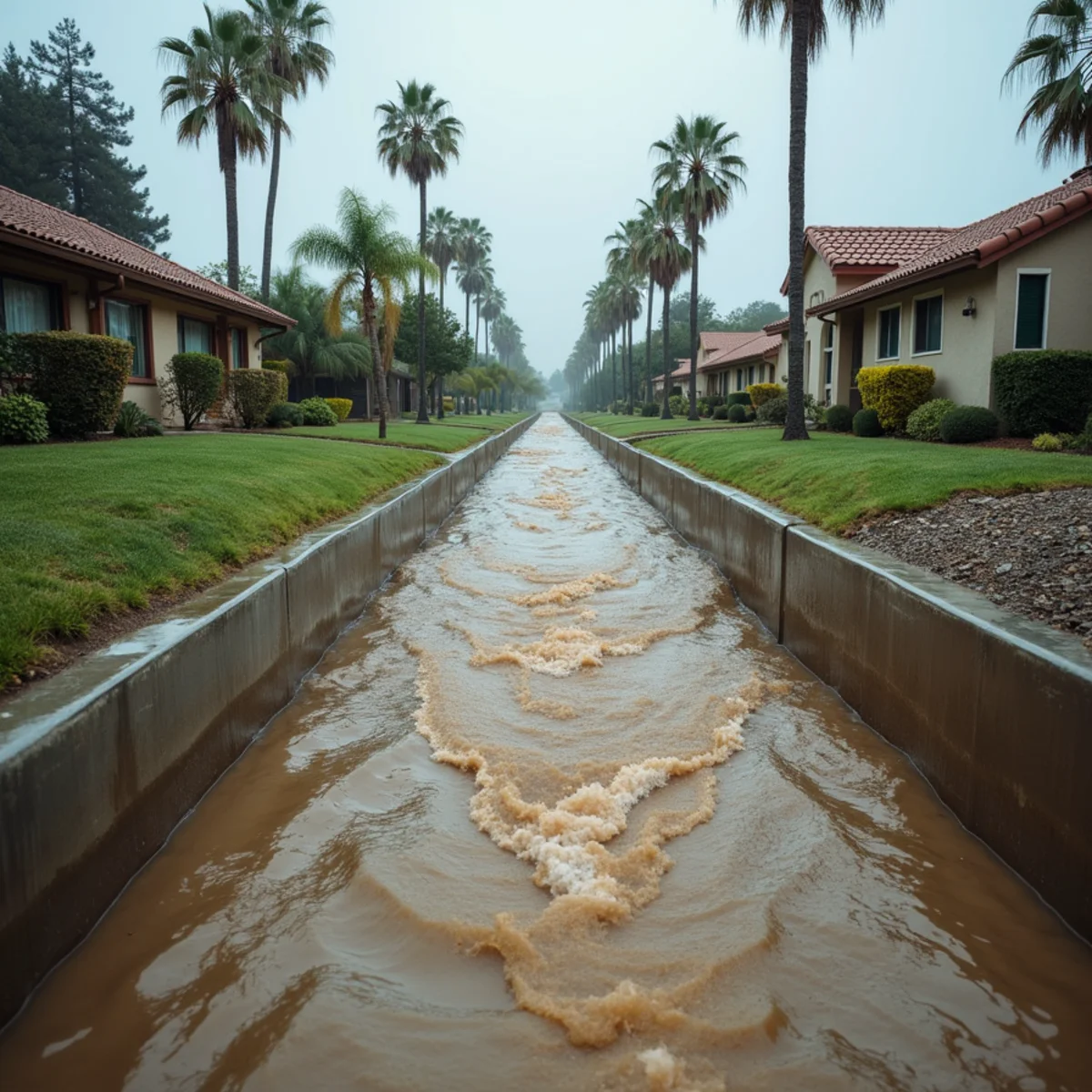
Groundwater matters here too. Properties along the northwest edge near Coyote Creek, and low-lying lots that pool during the winter rains, can push moisture into a crawl space even without a plumbing failure. We check the grade and the vapor barrier, not just the obvious leak.
Crawl-space humidity does not stay in the crawl space. It rises into the home through what building science calls the stack effect. That is why a wet crawl space so often shows up first as a musty smell in a back bedroom or a stubbornly humid hallway — the source is under your feet.
Our Crawl Space Water Removal & Drying Process
Our crawl-space process moves from extraction to a verified-dry, healthier space under your home.
- 1
Emergency Contact & Rapid Assessment
A real person answers your call 24/7 — never a voicemail. We ask a few quick questions to gauge severity, then dispatch a crew immediately. While you wait, we'll walk you through shutting off the water and safely documenting the damage for your insurer.
- 2
Water Extraction
Our technicians arrive with truck-mounted and portable extraction units to pull out standing water fast — the single biggest factor in limiting damage. We move furniture and belongings to dry areas and stop the spread before it reaches new rooms.
- 3
Drying & Dehumidification
We position industrial air movers and dehumidifiers to dry structural materials from the inside out, then monitor moisture daily with professional meters and thermal imaging so hidden dampness behind walls and under floors doesn't turn into mold.
- 4
Cleaning & Sanitizing
Every affected surface is cleaned with antimicrobial and anti-fungal treatments. For gray- and black-water losses we follow strict IICRC S500 containment, PPE, and disposal protocols to keep your home safe.
- 5
Restoration & Reconstruction
Once your property is dry, we repair or replace drywall, flooring, cabinetry, and paint — and put it back the way it was. One company handles the whole job, from the first extraction to the final coat of paint, so you're never juggling three contractors.
What Affects the Cost of Crawl Space Water Removal & Drying
We give you a clear, upfront estimate after a free on-site assessment — no guessing, no fake numbers. The final figure depends on factors like:
- Depth and volume of standing water to pump out
- Whether the water is clean, groundwater, or sewage-contaminated
- How much insulation and vapor barrier must be removed and replaced
- The extent of mold growth on joists and subfloor, if any
- Access — a tight, low crawl space takes longer to work in
- Whether new vapor barrier or full encapsulation is recommended
Because we document everything to insurer standards, most of this is typically handled through your homeowner's claim — and we bill your insurance directly.
Need help right now?
Certified crews on standby, 24/7. We'll be there fast.
Crawl Space Water Removal & Drying FAQs
The usual tells are a musty smell that will not clear, soft or cupped flooring, and rising indoor humidity. We confirm it directly — we go into the crawl space with lights, a moisture meter, and thermal imaging to find standing water and map how far the moisture has spread through the framing.
Almost always. Fiberglass batt insulation loses its R-value once it is soaked and sags out of place, and it holds moisture against the joists. We remove wet, fallen insulation, dry the wood underneath, and install fresh insulation only after the space passes a dry reading.
It can. Crawl-space moisture rises into the living space and raises humidity throughout the house, which is exactly what mold needs. Drying the crawl space quickly and correctly is the best way to keep a hidden problem from becoming a whole-home one.
Sometimes it is the right call, especially where groundwater or chronic humidity is the real problem. Encapsulation seals the space with a heavy liner and controls moisture long term. We will tell you honestly whether your situation needs full encapsulation or just a new vapor barrier and better drainage.
Yes, and the framing above a wet crawl space is usually the real concern. We probe the joists, girders, and sub-floor sheathing with a moisture meter and look for soft, spongy wood or fungal growth. Short-term wetting normally dries out fine once we pull the standing water and run air movers under the house. Wood that stayed wet long enough to lose strength gets flagged for repair, and we document it for your claim.