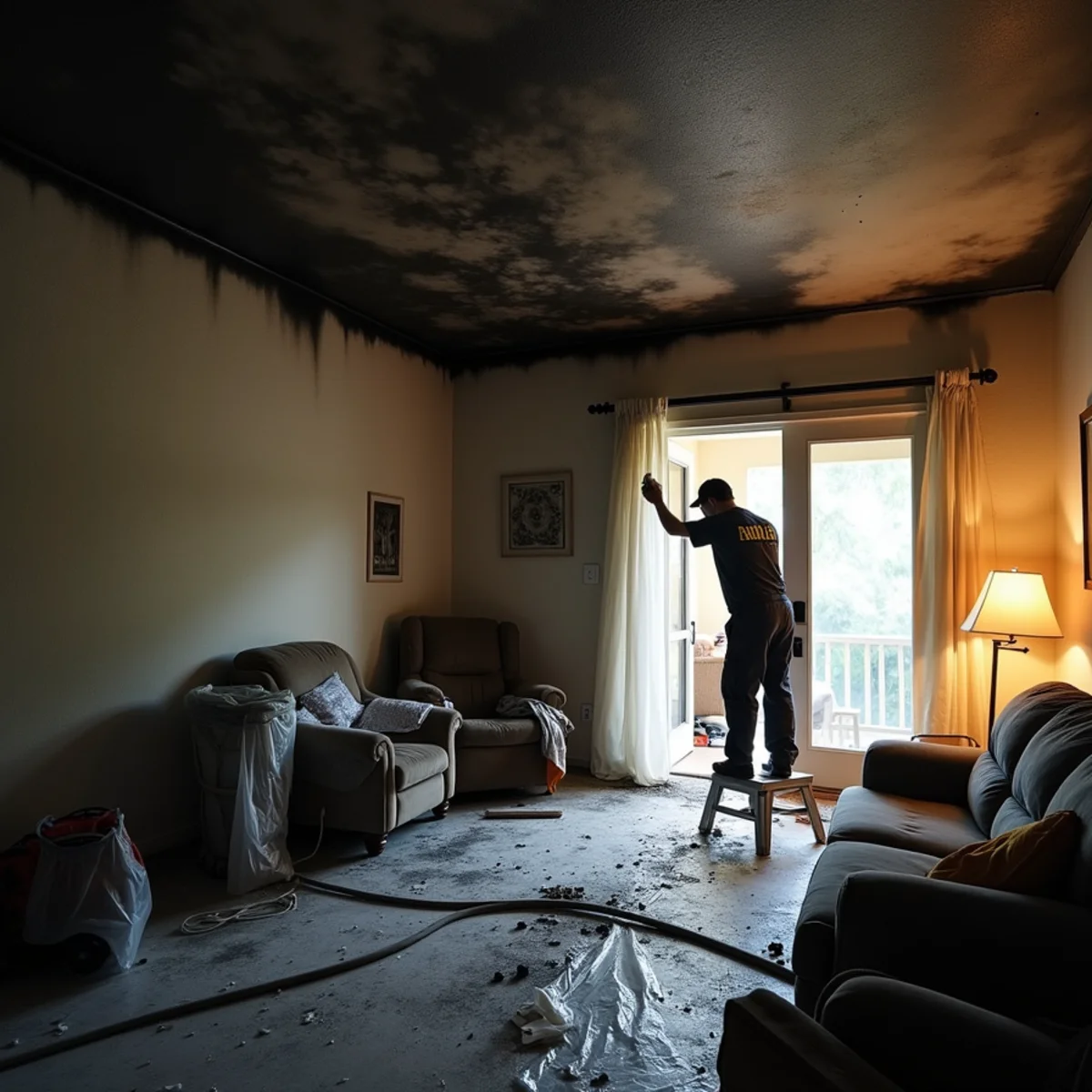
A fire is over in minutes, but the aftermath settles in for weeks. If you are standing outside your Buena Park home watching the smoke clear, the next few hours matter more than they feel like they should. What you do now shapes how much of your house and your belongings can be saved.
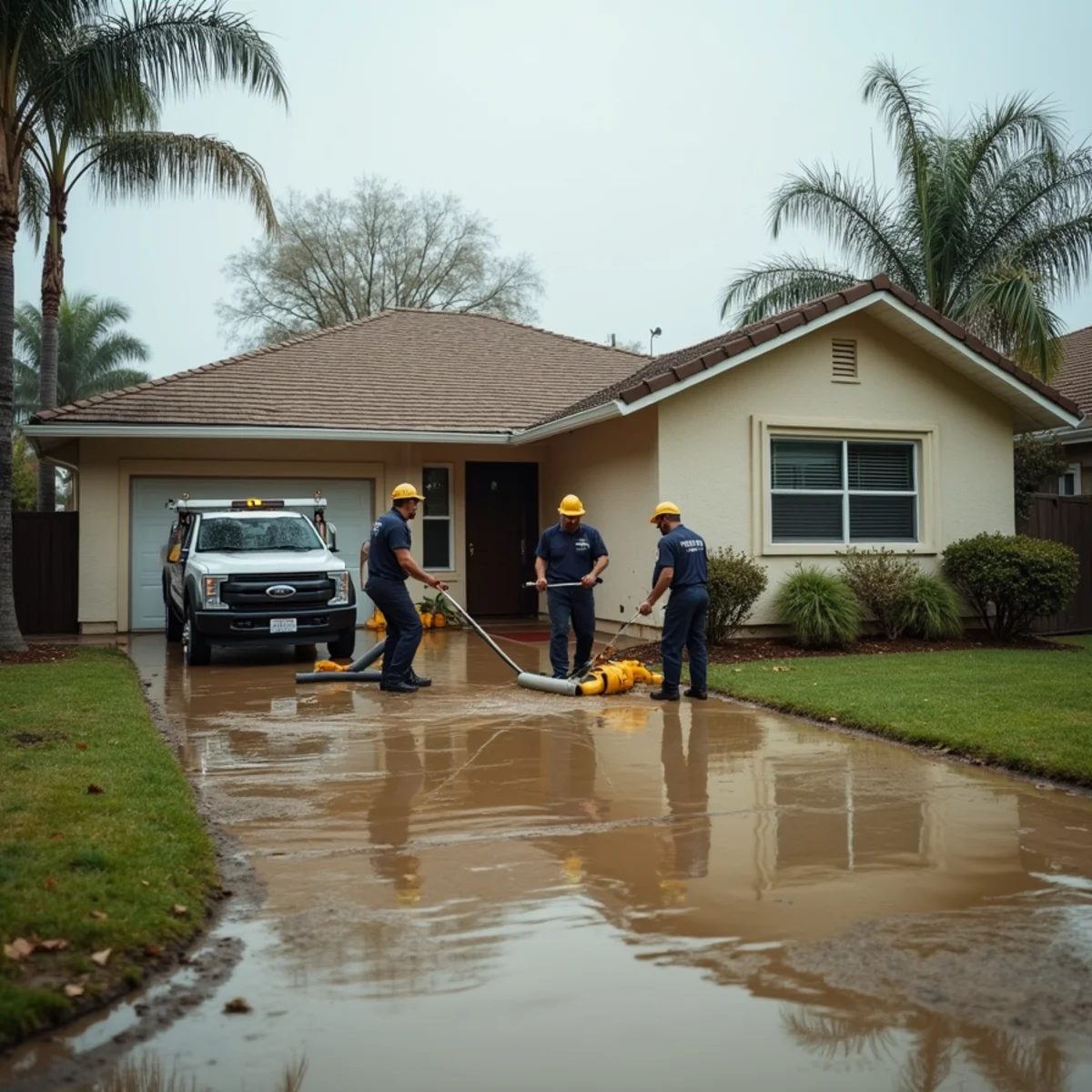
There is one thing most homeowners do not expect: the water. Putting out even a modest house fire can leave hundreds of gallons soaked into floors, walls, and framing. So the home you walk back into is not only burned, it is flooded, and both problems have to be solved at the same time.
Wait for the all-clear before you step back inside
The most important step is also the hardest: stay out until the fire department tells you it is safe. A structure that looks stable can hide weakened floors, smoldering spots inside walls, and damaged electrical and gas lines.
Firefighters check for hot spots and structural risks before they clear a home for entry. Ask them directly whether it is safe to go back in, even briefly, and respect the answer they give you.
If you need medication, documents, or pets, tell the crew on scene. They can often retrieve essentials or walk you through safely rather than letting you move through an unstable building on your own.
Call your insurer and document everything
Once everyone is accounted for, call your insurance company. The sooner you open a claim, the sooner they can authorize emergency services like board-up and water extraction.
Document the damage before anything is moved or cleaned. Photos and video are your record of what was lost and the condition the home was left in.
- Photograph each room from several angles, including ceilings and floors
- Capture close-ups of damaged furniture, electronics, and appliances
- Write a list of destroyed items with rough purchase dates and values if you can recall them
- Save every receipt for lodging, meals, and supplies while you are out of the house, since many policies help cover temporary living costs
Ask your adjuster what your policy covers for additional living expenses, and get a direct contact so you are not starting over with a new person each time you call.
Secure the home against weather and intruders
A fire often leaves a house open to the elements and to anyone walking by. Broken windows, holes in the roof, and a forced-open door all need to be closed off quickly.
Boarding up openings and tarping a damaged roof keeps rain, wind, and animals out, and it protects what survived the fire from a second round of damage. It matters for your claim too, since insurers expect you to prevent further loss once you are able.
This is work best handled by a restoration crew with the right materials, not something to attempt on a wet, unstable structure yourself.
What not to touch: soot, wet floors, and DIY cleanup
The urge to start cleaning is strong, but a few well-meant actions can make the damage worse and cost you more.
- Do not wipe or scrub soot. It smears into surfaces and sets, turning a cleanable wall into one that has to be replaced
- Do not walk across wet, soot-covered floors. They are slick, and every step tracks residue deeper into the home
- Do not switch on your HVAC system, which can push soot and odor through every duct in the house
- Do not use food, medicine, or cosmetics that were exposed to heat or smoke
Leave the heavy work to professionals who know which materials can be restored and which cannot. Smoke damage cleanup is as much about knowing what to leave alone as what to scrub.
The hidden flood: why firefighting water cannot wait
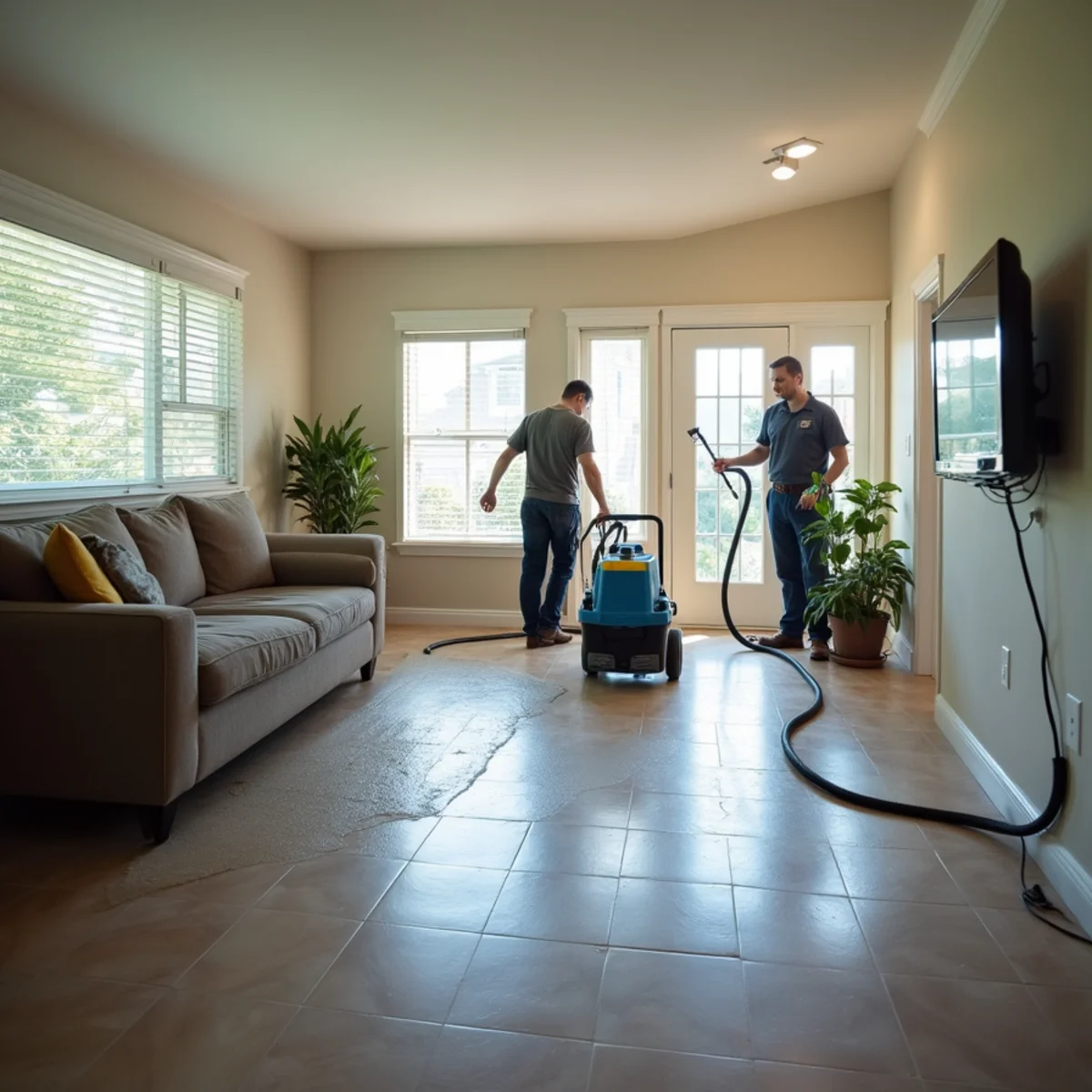
Here is the part that catches people off guard. The water used to fight the fire does not disappear. It soaks into drywall, subfloors, insulation, and the wood framing inside your walls.
Left alone, that moisture does what all standing water does: it feeds mold. Within a day or two, a fire-damaged home can grow mold on top of its soot problem, and now you are fighting two kinds of contamination in the same walls.
This is why water damage after a fire needs extraction and structural drying just as urgently as a burst pipe would. The clock on mold starts the moment the hoses shut off, which is why full water damage restoration belongs in the plan from day one.
If you want to see how drying unfolds once a crew arrives, the restoration process step by step walks through each stage in plain language.
Restoring fire and water damage together
Treating fire and water damage as one job, not two, is what protects both the structure and your budget. Working them separately wastes time the mold does not give you.
A proper response runs on parallel tracks:
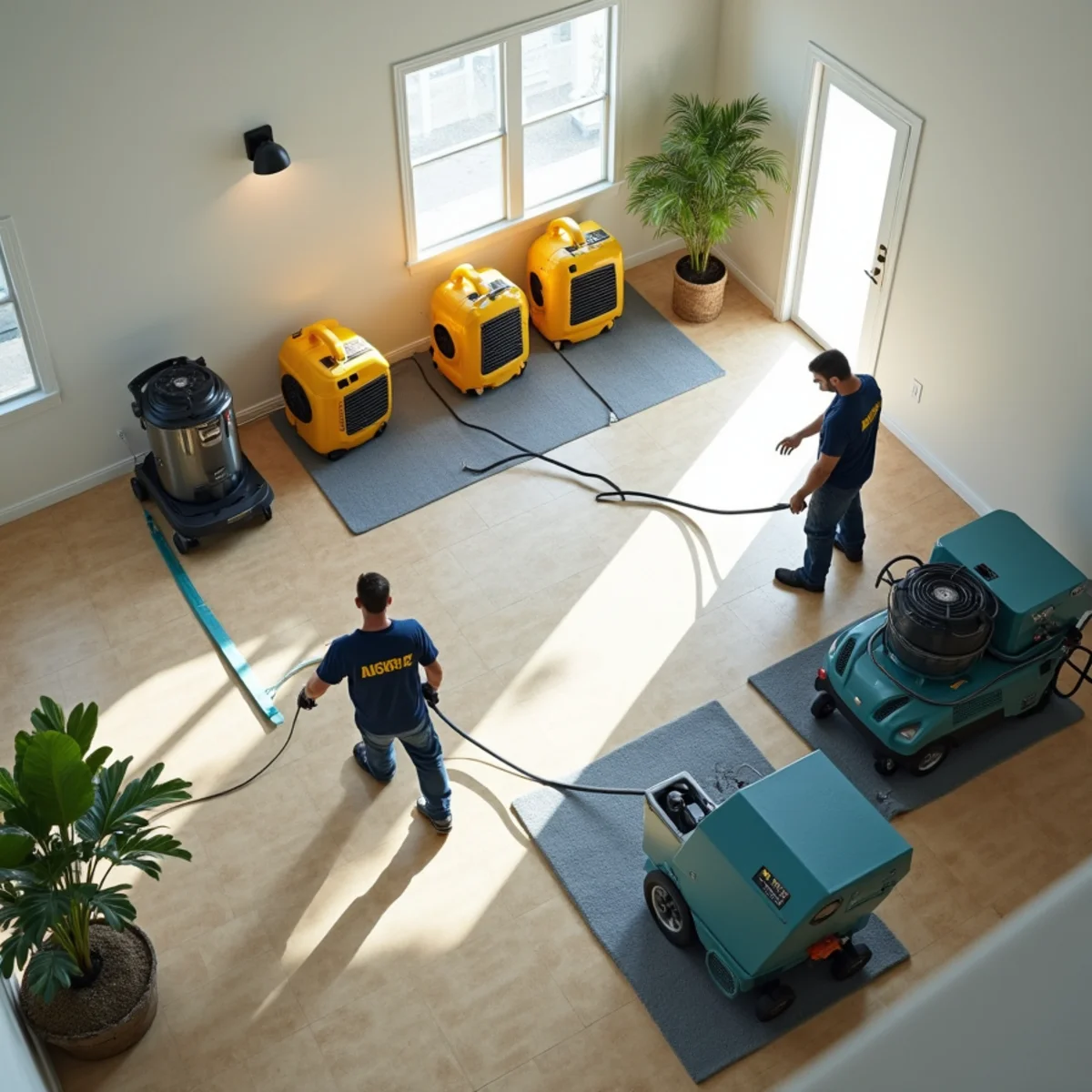
- Extract standing water, then set professional air movers and dehumidifiers to dry the structure to a measured moisture level
- Clean soot and smoke residue from surfaces using methods matched to each material
- Treat odor at its source instead of masking it, so the smell does not creep back weeks later
- Monitor moisture daily until the framing and subfloor are fully dry
Our fire damage restoration and odor and smoke removal run alongside the drying work, so soot, moisture, and smell are handled in one coordinated effort rather than three disconnected visits. Homeowners across Buena Park, Anaheim, and the rest of North Orange County face the same twin problem after a fire, and the fix is the same: dry and clean at once.
When to call for help
If the fire department has cleared your home and you are looking at soot, standing water, or both, that is the moment to bring in a restoration team. The faster the structure is dried and the soot is contained, the more of your home you keep.
Water Damage Buena Park is locally owned, licensed and insured, and available 24/7 with roughly 60-minute response across Buena Park, North Orange County, and SE LA County. Our technicians are IICRC-certified in Water Damage Restoration (WRT) and Applied Structural Drying (ASD) and follow the S500 standard, and we bill your insurance directly so you can focus on your family instead of paperwork.
Frequently Asked Questions
Putting out a fire takes a lot of water, and much of it soaks into floors, walls, insulation, and framing rather than draining away. That is why a burned home is almost always a soaked one, and the water has to be extracted and dried before it causes a second problem.
It is best not to. Soot smears and sets when it is wiped, which can turn a surface that could have been cleaned into one that must be replaced. Leave soot alone until a technician can assess which methods and materials each surface needs.
Quickly. Mold can begin growing on damp materials within about 24 to 48 hours, so firefighting water left in walls and subfloors becomes its own emergency. Extraction and structural drying should begin as soon as the home is cleared for entry.
In most cases water used to put out a house fire is treated as part of the fire loss, but coverage depends on your policy. Confirm the details with your adjuster, and keep your documentation and receipts. We bill insurers directly to make the process simpler for you.
Not until the fire department says so. Fire can weaken floors, leave hidden hot spots inside walls, and damage gas and electrical lines. Wait for the crew to clear the structure, and ask them before stepping inside even for a moment.
Dealing with water damage right now?
Water Damage Buena Park responds 24/7 across Buena Park & North OC.